

- All articles
Life Cycle of a Plastic Bottle: From Oil to Waste
By Ketul
Updated 27 April, 2026
10 min read

Contents
Main Menu
Before a plastic bottle reaches your hands, it has already been through a long and resource-intensive journey.
What looks like a simple, everyday object begins its life deep underground, as fossil fuels are extracted, processed, and transformed into plastic. From there, it moves through factories, supply chains, and stores — only to be used for a few minutes and then discarded.
This contrast between long production and short usage is what makes plastic bottles one of the most significant contributors to global waste.
According to the United Nations Environment Programme, plastic pollution is a growing global crisis, with millions of tonnes entering natural ecosystems every year. Plastic bottles are a major part of this problem.
Understanding the life cycle of a plastic bottle helps us see the full picture — not just the waste, but the entire system behind it.
What Is a Product Life Cycle?

Every product goes through a life cycle. This includes everything from the extraction of raw materials to manufacturing, transportation, use, and eventual disposal.
For a plastic bottle, this journey is not just linear. It involves energy use, emissions, and resource consumption at every stage.
Seeing the full life cycle helps shift the focus from “waste management” to system-level thinking — where impact is reduced across the entire chain.
Stage 1: It Begins with Fossil Fuels

Long before a plastic bottle is produced, its story begins underground.
Crude oil and natural gas are extracted from the earth and refined into petrochemicals. These materials are then used to produce polyethylene terephthalate (PET), the plastic commonly used in bottles.
This stage is energy-intensive and contributes significantly to greenhouse gas emissions. It also involves environmental risks such as land degradation and water contamination.
Stage 2: From Plastic to Bottle
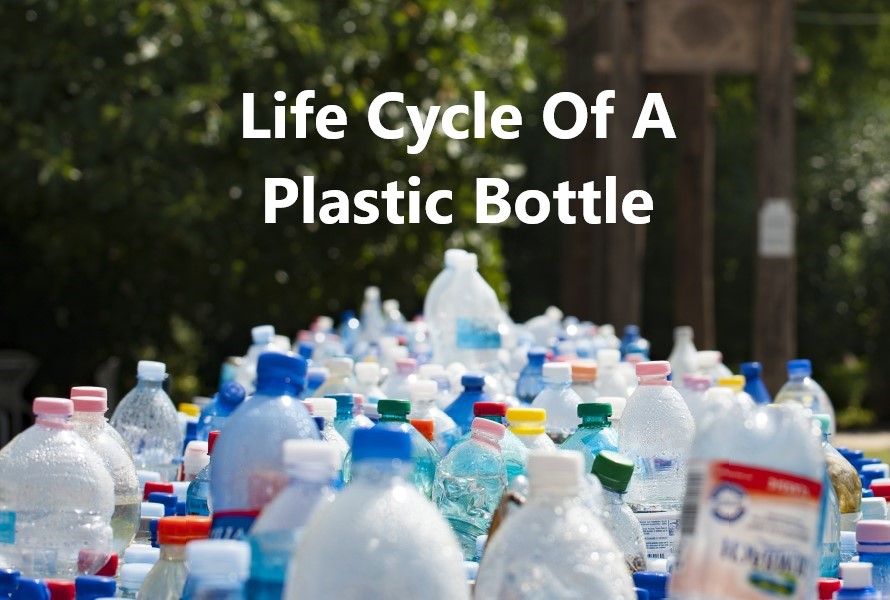
Once the raw material is ready, it is processed into plastic resin. These resins are shaped into small preforms, which are then heated and expanded into the familiar bottle shape.
This transformation happens in large-scale manufacturing facilities that consume significant amounts of energy and water. While highly efficient, these processes contribute to industrial emissions.
At this stage, the bottle is formed — but its journey is far from complete.
Stage 3: Moving Across Distances

After production, bottles are filled, packaged, and transported across cities, states, and sometimes countries.
Even though plastic bottles are lightweight, their large-scale distribution results in a considerable carbon footprint. Transportation adds another layer of environmental impact that is often overlooked.
At this stage, the bottle reaches retail shelves — ready for consumption.
Stage 4: A Few Minutes of Use
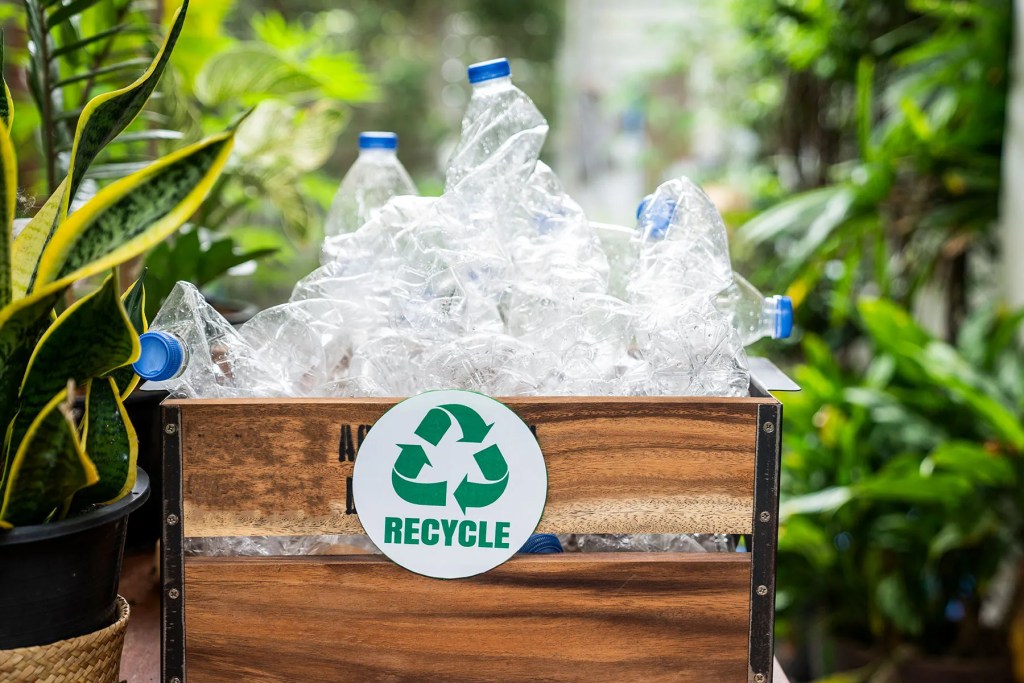
For most people, the life of a plastic bottle begins when they open it.
And often, it ends just as quickly.
A bottle that took energy and resources to produce is typically used for only a few minutes before being discarded. This short usage period stands in stark contrast to the material’s lifespan.
Plastic does not disappear. It can remain in the environment for hundreds of years.
This gap between use and persistence is one of the biggest sustainability challenges.
Stage 5: Where Does It Go?

After use, a plastic bottle enters the waste stream. From here, its path can vary.
Some bottles are collected and recycled. Others are sent to landfills, where they remain for long periods. In some cases, they are incinerated, releasing emissions.
A significant number of bottles escape waste systems entirely and end up in rivers, oceans, and ecosystems.
According to the Organisation for Economic Co-operation and Development, only a small fraction of plastic waste is effectively recycled globally.
Where Does a Plastic Bottle Actually End Up?

Once a plastic bottle is discarded, its journey does not end. In many ways, this is where its environmental impact becomes most visible.
Depending on how waste is managed, a bottle can take very different paths. Some are collected and recycled, while others are buried, burned, or lost to the environment. Understanding these outcomes is important because it shows that disposal is not a single event, but a continuation of the product’s life cycle.
Recycling: The Intended Path

In an ideal system, plastic bottles are collected, sorted, cleaned, and processed into recycled material. This material can then be used to produce new bottles, textiles, or other plastic products.
Recycling reduces the need for virgin plastic and helps lower the overall environmental impact. However, this process depends heavily on proper waste segregation, efficient collection systems, and reliable recycling infrastructure.
Landfills: Long-Term Storage

A large number of plastic bottles end up in landfills. Here, they may remain for hundreds of years without fully decomposing.
While landfills are designed to contain waste, they do not eliminate it. Over time, plastics can break down into smaller particles and potentially affect soil and groundwater.
Incineration: Burning Waste
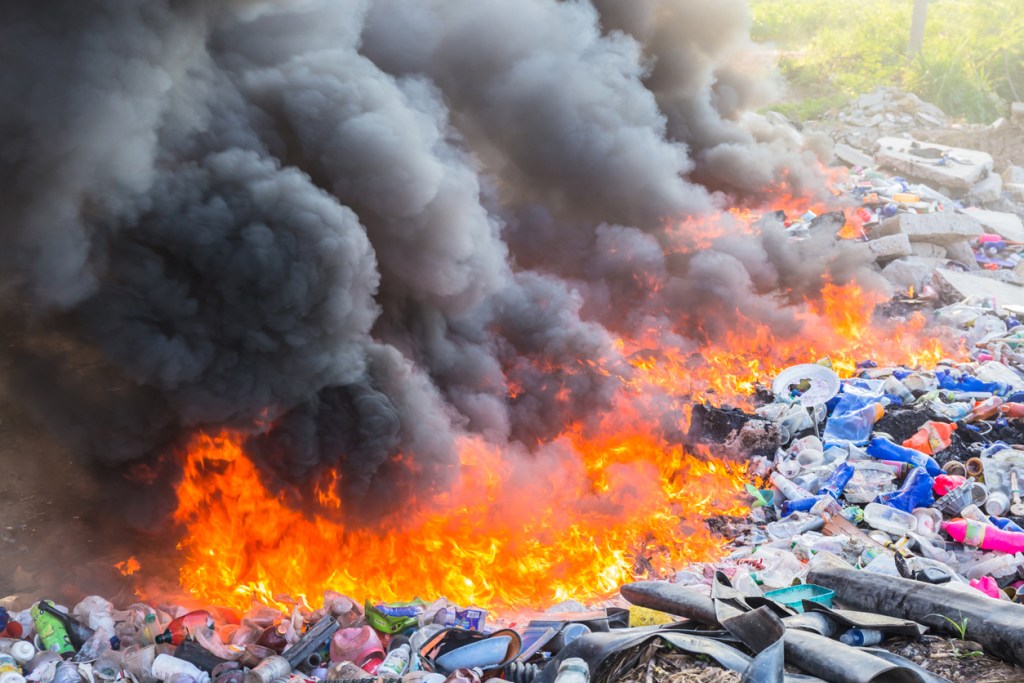
In some systems, plastic waste is incinerated to reduce volume or generate energy. While this can reduce the amount of waste sent to landfills, it comes with environmental trade-offs.
Burning plastic releases carbon emissions and, depending on the process, can also produce harmful pollutants. This makes it a less sustainable option compared to recycling.
Leakage into the Environment
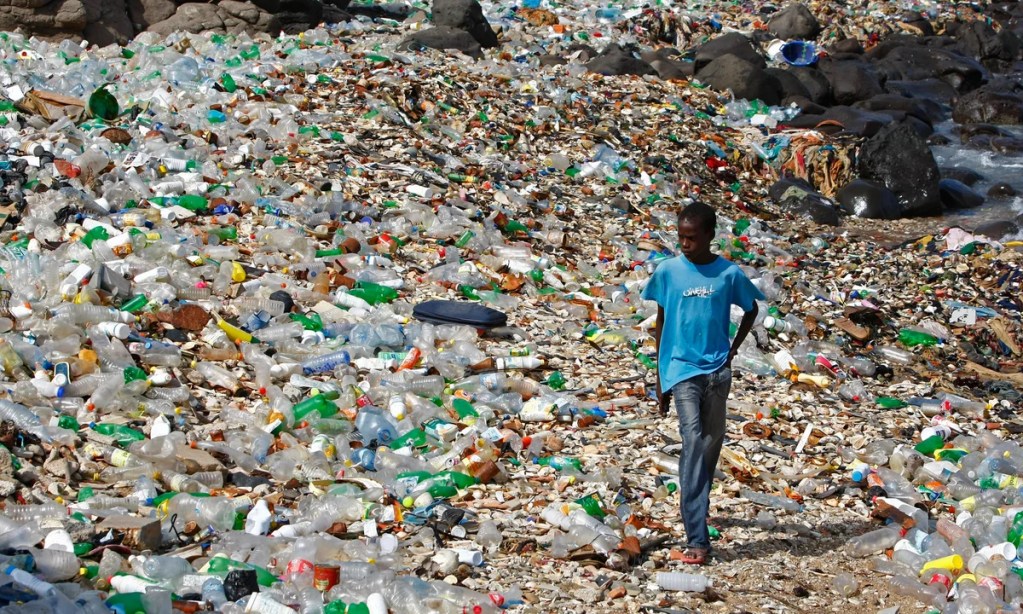
A significant number of plastic bottles never reach formal waste systems. Instead, they leak into the environment and end up in rivers, oceans, and natural ecosystems.
Over time, these bottles break down into microplastics, which can harm wildlife and enter food chains. According to the United Nations Environment Programme, plastic pollution in oceans is a growing global crisis affecting ecosystems and biodiversity.
The Full Impact at a Glance
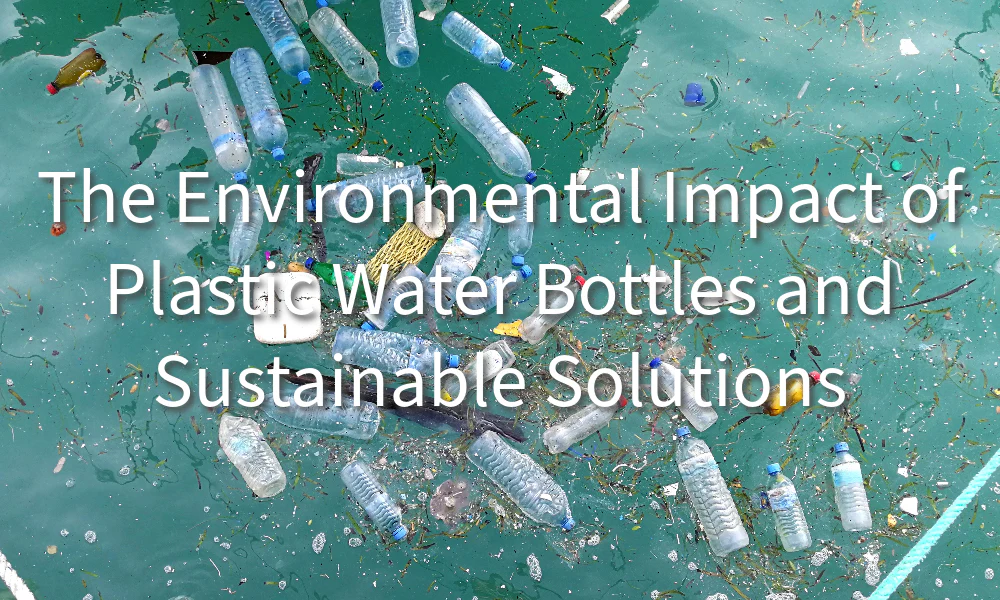
Looking at individual stages can make it difficult to see the bigger picture. When viewed together, the life cycle of a plastic bottle highlights how impact is created at every step — not just at disposal.
Stage | What Happens | Impact |
Raw Material | Oil extraction | Resource depletion and emissions |
Manufacturing | Plastic production | Energy and water use |
Distribution | Transport | Carbon footprint |
Use | Short consumption | Inefficient usage |
Disposal | Waste handling | Pollution and landfill |
This makes it clear that the environmental footprint of a plastic bottle is not limited to waste alone. It is built into the system from the very beginning.
Why This Matters
Looking at these different pathways makes one thing clear. The life of a plastic bottle does not end when we throw it away.
It either becomes part of a managed system like recycling or landfills, or it escapes into the environment where its impact becomes harder to control. This highlights the need for better systems, not just better disposal.
Can the Life Cycle Be Improved?

If most plastic bottles do not follow the ideal recycling path, the real challenge is not just disposal, but redesigning the entire system.
Improving this life cycle requires changes at multiple stages, from production to consumption and waste management.
Better Recycling Systems

Strengthening collection, segregation, and recycling infrastructure can significantly increase the amount of plastic that is recovered and reused. Efficient systems ensure that more bottles stay within the recycling loop.
Circular Economy Approaches

Circular systems aim to keep materials in use for as long as possible. Instead of treating plastic as waste, it is reused and recycled to reduce the need for new raw materials.
Organizations such as the Ellen MacArthur Foundation promote designing products and systems where waste is minimized from the start.
Material Innovation

There is growing interest in developing alternative materials that reduce dependence on fossil fuels. These include recyclable, biodegradable, or bio-based materials that aim to lower environmental impact.
Reducing Single-Use Consumption
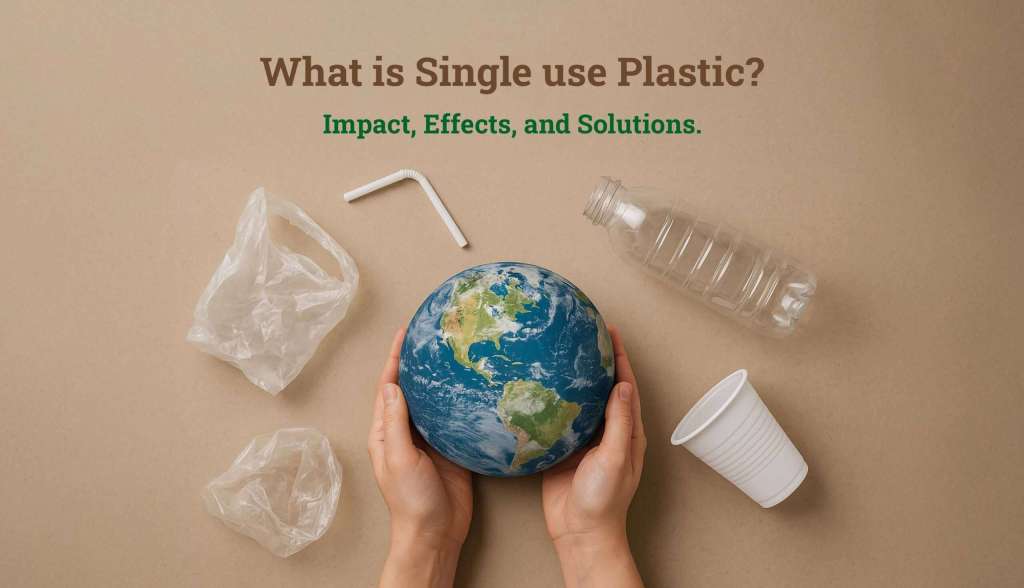
One of the most effective ways to reduce impact is to reduce consumption. Encouraging reuse and limiting single-use plastic can significantly decrease the volume of waste generated.
The Bigger Picture: From Linear to Circular Systems

The life cycle of a plastic bottle reflects a linear system. Resources are extracted, products are created, used briefly, and then discarded.
A more sustainable approach is to move toward circular systems, where materials are reused, recycled, and kept in circulation for longer.
This shift is not just about managing waste more efficiently. It is about rethinking how products are designed, produced, and consumed across their entire life cycle.
Conclusion
A plastic bottle may appear to be a simple everyday object, but its life cycle reveals a complex system with significant environmental impact.
From fossil fuel extraction to disposal, each stage contributes to resource use, emissions, and pollution. Understanding this journey is the first step toward identifying better solutions.
The challenge is not just to manage plastic waste, but to improve the entire system that produces it. Moving toward more efficient, circular, and sustainable models will be key to reducing long-term environmental impact.
FAQs
1. What is the life cycle of a plastic bottle?
The life cycle of a plastic bottle includes raw material extraction, manufacturing, distribution, consumer use, and disposal or recycling.
2. What material are plastic bottles made from?
Most plastic bottles are made from polyethylene terephthalate (PET), a plastic derived from crude oil and natural gas.
3. How are plastic bottles manufactured?
Plastic bottles are made by converting PET resin into preforms, which are then heated and moulded into bottle shapes using high-pressure processes.
4. How long does a plastic bottle last in the environment?
Plastic bottles can take hundreds of years to break down, often fragmenting into microplastics rather than fully decomposing.
5. What happens to plastic bottles after use?
After use, plastic bottles may be recycled, sent to landfills, incinerated, or leak into the environment.
6. What percentage of plastic bottles are recycled?
Globally, only a small percentage of plastic bottles are effectively recycled, with a large portion ending up as waste.
7. Why are plastic bottles harmful to the environment?
They contribute to pollution, harm wildlife, and persist in ecosystems for long periods due to their non-biodegradable nature.
8. What is the environmental impact of plastic bottle production?
Production involves fossil fuel extraction, energy-intensive manufacturing, and emissions, contributing to climate change and resource depletion.
9. Can plastic bottles be reused or recycled?
Yes, plastic bottles can be reused and recycled, but this depends on proper collection, segregation, and recycling systems.
10. How can the life cycle of plastic bottles be improved?
It can be improved through better recycling systems, circular economy practices, material innovation, and reducing single-use consumption.
Related articles

Craste: Turning Crop Waste Into a Sustainable Future
Rittika Rana
November 10, 2025
Life Cycle of a Plastic Bottle: From Oil to Waste
Rittika Rana
April 27, 2026
Ready to talk?
We work with individual initiatives, startups, and NGOs dedicated to forging a sustainable future with better design, marketing, technology & operations.