
As the world confronts the accelerating impacts of climate change, reducing greenhouse gas emissions has become a global priority. Governments, corporations, and institutions are under increasing pressure to cut emissions while continuing to grow economically. Carbon credits have emerged as one of the most widely used tools to support this transition, enabling climate action through market-based mechanisms rather than regulation alone.
Carbon credits are now central to climate policy, corporate sustainability strategies, and international cooperation. Understanding how they work, where they come from, and their limitations is essential for anyone engaging with climate action, carbon markets, or sustainability reporting.
What Are Carbon Credits?
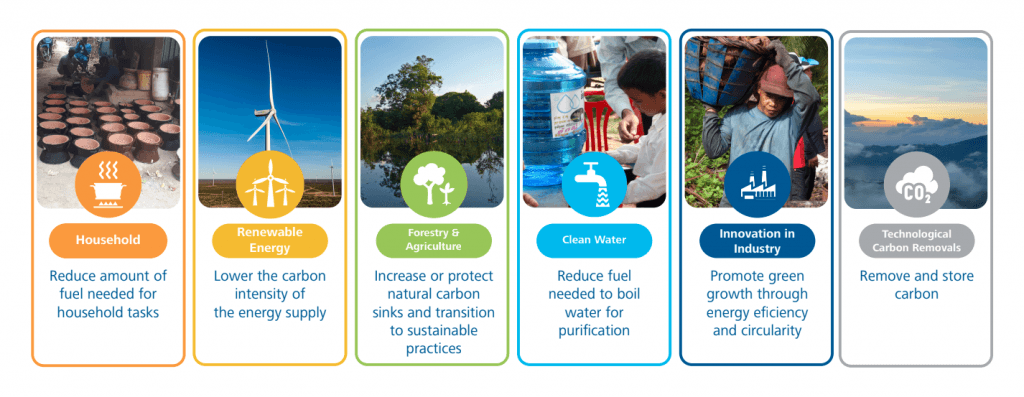
A carbon credit represents the reduction or removal of one metric tonne of carbon dioxide (CO₂) or its equivalent in other greenhouse gases from the atmosphere. These reductions are generated through climate-positive activities such as renewable energy deployment, forest conservation, methane capture, or energy efficiency improvements.
Each carbon credit is issued only after emissions reductions are measured, verified, and certified through recognised standards, making carbon credits a tradable unit of climate impact. A clear explanation of carbon credits highlights their role as a financial incentive to reduce emissions where it is most cost-effective.
Why Carbon Credits Exist

Not all emissions can be eliminated immediately. Some sectors, such as aviation, cement, steel, and agriculture, face technological or economic barriers to rapid decarbonisation. Carbon credits allow these actors to compensate for unavoidable emissions while investing in climate solutions elsewhere.
By attaching a financial value to emissions reductions, carbon credits help channel capital toward projects that might otherwise struggle to secure funding, accelerating climate action beyond what regulation alone can achieve.
How Carbon Credits Work
The lifecycle of a carbon credit typically follows these steps:
A project reduces or removes greenhouse gas emissions
Emission reductions are measured using approved methodologies
Independent third parties verify the reductions
Credits are issued into a recognised registry
Credits are purchased and retired by buyers
This process ensures that carbon credits represent real, measurable climate benefits and prevents double counting of emissions reductions.
Types of Carbon Credits

Carbon credits fall into two broad categories depending on the market in which they are used.
Compliance Carbon Credits
Compliance credits are used within regulated systems where governments set emission caps. Companies that exceed their allowed emissions must purchase credits to remain compliant. These systems form the backbone of national and regional emissions trading schemes.
Voluntary Carbon Credits
Voluntary credits are purchased by companies or individuals seeking to reduce their climate footprint beyond legal requirements. The voluntary carbon market supports a wide range of projects, from renewable energy to nature-based solutions, and plays a growing role in corporate climate strategies. A practical overview of voluntary carbon markets explains how these credits are used by businesses worldwide.
Carbon Markets Explained

Carbon credits are traded within carbon markets, which connect buyers seeking to offset emissions with projects generating verified reductions. These markets create price signals that reward low-carbon solutions and penalise high-emission activities.
There are two main carbon market types:
Compliance markets, driven by government regulation
Voluntary markets, driven by corporate and individual climate commitments
The structure and functioning of carbon markets allow climate finance to flow across borders and sectors, supporting global mitigation efforts.
Carbon Credits and the Paris Agreement
The international framework for carbon markets is shaped by the Paris Agreement, which aims to limit global temperature rise to well below 2°C. Article 6 of the agreement establishes rules for international cooperation through carbon markets, enabling countries to transfer emission reductions between themselves.
The governance of international carbon trading under the Paris Agreement seeks to ensure transparency, environmental integrity, and avoidance of double counting—critical principles for maintaining trust in carbon credits.
Article 6 and International Carbon Trading
Article 6 enables countries to collaborate on emissions reductions by transferring mitigation outcomes across borders. These transfers are governed by accounting rules that ensure each emission reduction is counted only once.
A concise explanation of Article 6 carbon credits illustrates how international cooperation can reduce global mitigation costs while maintaining climate ambition.
Common Carbon Credit Project Types
Carbon credits are generated from a wide range of project activities, including:
Renewable energy (solar, wind, hydro)
Forestry and land-use projects
Methane capture from landfills and agriculture
Energy efficiency improvements
Industrial process optimisation
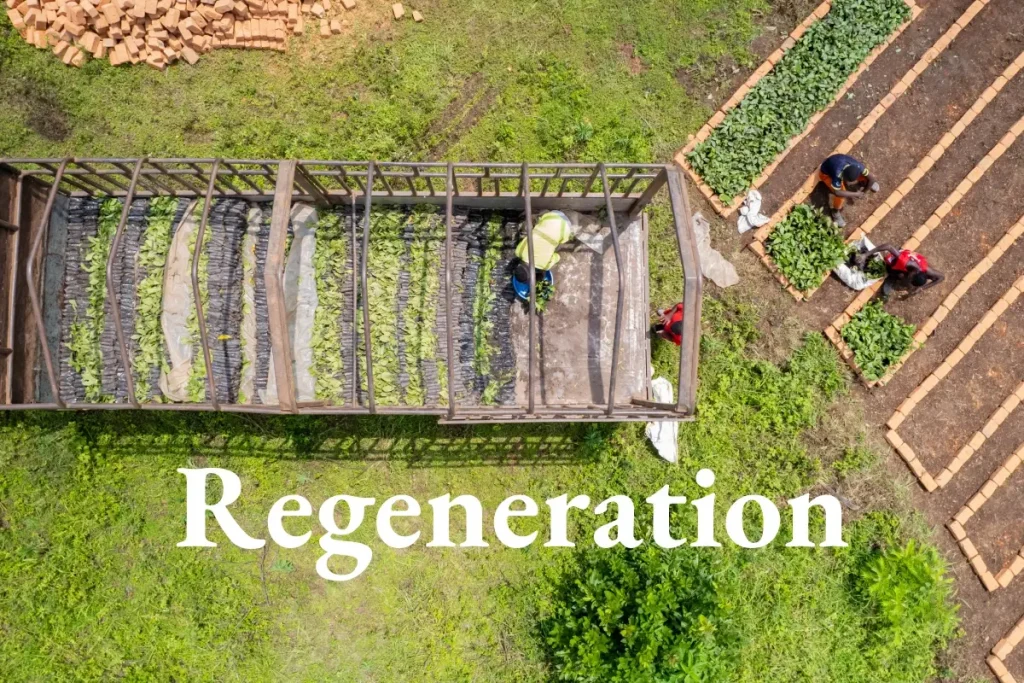
Nature-based solutions, in particular, have gained attention for their potential to deliver climate, biodiversity, and community benefits simultaneously.
Benefits of Carbon Credits
Carbon credits offer several advantages:
Mobilise private finance for climate action
Support emission reductions where costs are lowest
Enable participation by hard-to-abate sectors
Encourage innovation and clean technology deployment
When used responsibly, carbon credits complement direct emission reduction efforts rather than replacing them.
Criticisms and Challenges of Carbon Credits
Despite their benefits, carbon credits face scrutiny. Concerns include:
Over-crediting of emission reductions
Weak project additionality
Lack of long-term permanence
Risk of greenwashing
Strengthening standards, improving transparency, and aligning credits with science-based climate targets are critical to addressing these challenges and maintaining market credibility.
How Companies Use Carbon Credits
Many organisations integrate carbon credits into broader climate strategies that prioritise emission reductions first and offsets second. Best practice involves:
Measuring emissions accurately
Reducing emissions wherever possible
Using carbon credits only for residual emissions
This approach aligns with evolving guidance from global climate frameworks and sustainability reporting standards.
The Future of Carbon Credits

Carbon credits are evolving rapidly. Improved methodologies, digital monitoring tools, and stronger governance frameworks are reshaping both voluntary and compliance markets. Integration with national climate targets and corporate net-zero commitments is expected to increase demand while raising quality expectations.
As climate ambition rises, carbon credits will increasingly be judged not just by quantity, but by integrity, transparency, and real-world impact.
Conclusion
Carbon credits are not a silver bullet for climate change, but they are a powerful tool when used responsibly. By directing finance toward emission reductions and removals, carbon credits help bridge the gap between climate ambition and practical action. Their effectiveness depends on strong governance, scientific integrity, and a clear commitment to reducing emissions at the source.
As climate policy, markets, and corporate responsibility continue to evolve, carbon credits will remain a critical part of the global climate action toolkit—one that demands both careful use and continuous improvement.
Frequently Asked Questions (FAQs)
1. What are carbon credits in simple terms?
Carbon credits are certificates that represent the reduction or removal of one metric tonne of carbon dioxide or an equivalent greenhouse gas. They are used to support climate action by funding emission-reduction projects.
2. How do carbon credits help fight climate change?
Carbon credits direct financial resources toward projects that reduce or remove greenhouse gas emissions, helping accelerate climate solutions where reductions are most cost-effective.
3. What is the difference between voluntary and compliance carbon credits?
Compliance carbon credits are used in regulated markets to meet legal emission limits, while voluntary carbon credits are purchased by organisations or individuals to offset emissions beyond regulatory requirements.
4. Are carbon credits the same as carbon offsets?
Carbon credits are the verified units generated by emission-reduction projects, while carbon offsets refer to the use of those credits to compensate for emissions.
5. Can companies rely only on carbon credits to meet net-zero goals?
Carbon credits are intended to complement, not replace, direct emission reductions. Best practice involves reducing emissions first and using credits only for residual emissions.
6. How are carbon credits verified?
Carbon credits are verified through approved methodologies and independent third-party audits that confirm the emissions reductions are real, measurable, and permanent.
7. Are all carbon credits high quality?
No. The quality of carbon credits varies depending on project design, verification standards, and long-term impact, making transparency and governance critical.
8. What types of projects generate carbon credits?
Carbon credits are generated from renewable energy, forestry and land-use projects, methane capture, energy efficiency improvements, and industrial emission reductions.
9. Will carbon credits continue to be relevant in the future?
Carbon credits are expected to remain relevant as climate ambition increases, particularly for addressing residual emissions and supporting global climate cooperation.

Other articles



We work with individuals, startups, and NGOs dedicated to forging a sustainable future. Tell us about your mission.

