

- All articles
Digital Marketing Solutions for Sustainable Businesses
By Ketul
Updated 08 Sep, 2024
10 min read

Contents
Main Menu
In a world increasingly conscious of environmental impact, sustainable businesses — whether eco-products, green-tech startups, climate NGOs or impact consultancies — need more than passion. They need smart digital marketing that aligns with their values, builds trust, and creates measurable impact.
This guide shows you how and why to build a digital marketing strategy specifically for sustainability businesses — combining best practices for digital marketing with the understanding of what sustainability brands need most.
Why Digital Marketing + Sustainability Is a Powerful Combination
- Growing consumer demand for sustainability: Recent studies show a rising willingness among consumers to support ethical, eco-friendly brands. According to a 2025 review, many shoppers are ready to pay a premium for sustainably produced products. MDPI AWEB Digital
- Trust & transparency matter more than ever: For sustainable brands, customers care not just about products/services — they care about values, ethics, authenticity. Digital marketing lets you show, not just tell, your practices, impact, and commitment. Forbes SG Analytics
- Digital reach with lower environmental footprint: Compared to traditional print/media campaigns, digital channels (websites, social media, email) are less resource-intensive and more scalable. This resonates with the ethos of sustainable businesses. icert.org.in
- Aligns with modern green-marketing theory: According to research on sustainable digital marketing, integrating sustainability and digital promotion encourages sustainable consumption and helps shift behaviour globally. ResearchGate BBS.
So — digital marketing isn’t just a business tool for sustainable ventures. It’s part of the solution: helping you grow, while staying true to values.
What Does “Sustainable Digital Marketing” Actually Mean?
“Sustainable digital marketing” (also termed “green digital marketing” or “eco-digital marketing”) is more than marketing eco-products. It’s an approach that:
- Minimizes the environmental footprint of marketing itself (e.g. energy-efficient hosting, optimized content, minimal waste)Wikipedia
- Uses authentic, transparent, ethical communication (no “greenwashing”) to build long-term trust — showing real impact, data, stories. Forbes
- Influences consumer behaviour toward more sustainable choices by providing education, transparency, and eco-conscious positioning. MDPI
- Leverages digital platforms to reach the right audience (eco-conscious consumers, socially conscious investors, impact-minded stakeholders) efficiently and scalably. Zion
Sustainable digital marketing is thus at the convergence of marketing, ethics, and environmental responsibility.
What Sustainable Businesses Should Offer — and How Digital Marketing Helps
If you run a sustainable business (product-based, service/consulting, NGO, green-tech), here’s what you typically offer — and why digital marketing is critical:
- Eco-products / sustainable goods — need to reach environmentally conscious buyers, explain materials/process, show certifications, build trust.
- Consulting / services for sustainability — need credibility, thought leadership, case studies, client testimonials, strong online presence.
- Green-tech or impact solutions — complex solutions require education, trust, detailed content, transparency, and credibility to convert clients.
- NGO / impact-oriented organisations — need awareness, community building, donor support, transparent impact reporting, engagement.
Digital marketing enables all of the above: visibility → trust → engagement → conversions / partnerships / support.
Practical Digital Marketing Solutions for Sustainable Businesses
Here’s a detailed, actionable framework — what you should do, and how to do it correctly (with sustainability in mind).
1. Eco-conscious Foundation: Website + Hosting + Brand Story
Why it matters: Your website is the “home base” — where prospective clients/customers check claims, values, details.
What to do:
- Use a “green/eco-friendly hosting” provider (also called green hosting): this reduces the carbon footprint of your website by relying on renewable energy, efficient servers, and offset efforts. Wikipedia
- Build a transparent, honest “About / Mission / Impact” page: explain your values, processes, certifications, sustainability commitments. Don’t over-hype — over-promising leads to mistrust (see “greenwashing” risk). SG Analytics Forbes
- Optimize website performance: fast loading times, efficient media (compressed images, minimal unnecessary scripts), mobile-friendly — this reduces energy use and improves user experience. Lounge Lizard
Outcome: trustworthy brand image, lower digital carbon footprint, better SEO performance, and readiness for growth.
2. Content Marketing + SEO + AEO (Answer Engine Optimization)
Why it matters: Customers and clients searching for sustainable solutions often use Google to research. High-quality content helps you be visible, credible, and authoritative.
What to do:
- Write in-depth articles, guides, resources that address needs of your audience: e.g. “How to launch an eco-product brand in India”, “Guide to eco-packaging for SMEs”, “Why green-tech adoption helps hotels reduce carbon footprint”.
- Use long-tail, intent-focused keywords: e.g. “sustainable packaging suppliers India”, “CSR consulting for NGOs”, “biomass waste-to-energy solutions for factories”.
- Structure content with clear headings, short paragraphs, FAQ blocks — helps with AEO (featured snippets / answer boxes).
- Include data, references, case studies, impact numbers — builds authority. For example, cite studies showing consumers are increasingly willing to pay more for eco-friendly products. MDPI
- Link to credible sources — research papers, sustainability reports, recognized institutions — to boost trust.
Outcome: organic traffic from people actively searching for sustainable solutions; thought-leadership; trust and authority in the niche.
3. Social Media & Storytelling (Values + Transparency + Engagement)

Why it matters: Sustainability is not only about products — it’s a story, a mission, a community. Social media lets you build community, trust, and share impact in an authentic way.
What to do:
- Share behind-the-scenes content: show how products are made, sourcing, process, people, environment impact. Transparency builds legitimacy.
- Publish impact stories & data: e.g. number of trees saved, emissions avoided, communities helped. Sustainability buyers value proof.
- Use eco-conscious design & messaging: reflect your values, avoid over-stylised ads that look “greenwashed”, keep honest tone. BBS KW Marketing UK
- Engage your audience: encourage user-generated content, reviews, testimonials, community feedback — powerful for trust. Research shows peer reviews and influencer endorsements significantly influence sustainable purchases. MDPI
Outcome: community building, brand loyalty, stronger engagement, and social proof.
4. B2B / Consulting / NGO Focus: Thought Leadership, Case-Studies & Transparency
If you offer services, consultancy, NGO support, green-tech solutions — then your marketing needs to show credibility, expertise, data, results.
What to do:
- Publish case studies & success stories: show before–after, key metrics, impact, client feedback.
- Offer whitepapers, downloadable reports, webinars — helpful for SMEs, corporates, NGOs looking for knowledge and trust. Research shows digital marketing strategies help shape sustainable consumption and influence institutional behaviour. ResearchGate
- Maintain transparency and avoid greenhushing (i.e. under-reporting sustainability efforts). Transparency builds legitimacy and long-term trust. Wikipedia
- Use ethical digital practices: secure data, privacy, responsible communication — this aligns with overall sustainability ethos and global standards like Corporate Digital Responsibility (CDR). Wikipedia
Outcome: ability to attract B2B clients, partners, donors, stakeholders — those who care about evidence and impact.
5. Sustainable Advertising & Ethical Paid Campaigns
Even paid ads can be done responsibly. Instead of aggressive mass-targeting, aim for precision, efficiency and minimal waste:
- Use targeted ads: reach likely eco-conscious customers — reducing wasted impressions.
- Optimize ads for minimal data & resource usage (light media, no unnecessary autoplay, efficient formats) — cuts digital carbon footprint. Zion & Zion Lounge Lizard
- Combine with impact storytelling — not just product pitch. Show values, credentials, transparency.
Outcome: cost-effective reach, brand alignment with sustainability values, less digital waste.
Common Mistakes to Avoid (Greenwashing, Greenhushing & Mismatched Messaging)
Sustainability marketing has real traps. Avoid:
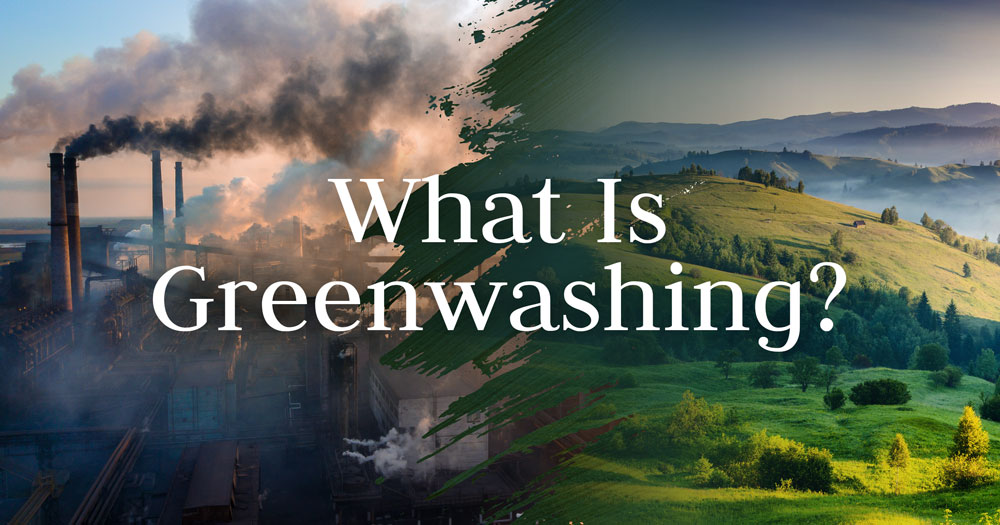
- Greenwashing — overstating environmental claims without evidence. It hurts credibility and trust. SG Analytics Forbes
- Greenhushing — under-communicating real sustainability efforts due to fear of scrutiny; ironically, this wastes opportunities to build trust and brand identity. Wikipedia
- Copying generic “eco-buzzwords” — words like “green”, “eco”, “sustainable” lose meaning if not backed with proof.
- Ignoring digital footprint — slow, bloated websites, heavy media, inefficient campaigns — contradicts your sustainability ethos.
- No data, no transparency — your audience wants evidence; vague claims won’t work for long.
How Mission Sustainability’s Services Can Help — Your Advantage
Your service offering at Mission Sustainability is almost a tailor-made fit for this approach. Here’s how:
- With “Idea → Launch” and “Digital Transformation”, you can help eco-product brands build optimized, green-hosted websites from scratch.
- With “Gain Traction”, combined with SEO + content + social + outreach, you can help sustainability-driven startups, NGOs, or climate-tech ventures reach their audience effectively.
- With “Design & Branding” — your brand identity + storytelling + UX skills are key to building real trust and clear messaging.
- With “Operational Efficiency” — you can help NGOs or impact organisations measure and communicate real impact (data, metrics) which is central to credible sustainability marketing.
- Your full-stack capability (tech + marketing + operations + impact) becomes a unique selling proposition: many sustainable brands struggle because they have product or cause, but lack digital-first marketing + operations + storytelling.
In short: Mission Sustainability is perfectly positioned to deliver modern, ethical, high-impact digital marketing for sustainable businesses — exactly what the market needs now.
Concrete Digital Marketing Strategy Blueprint for Sustainable Businesses
Here is a step-by-step blueprint you or any sustainable brand can follow:
Phase | Key Actions |
Foundation | Set up a green-hosted, fast, SEO-optimized website. Build the brand story page (mission, values, impact, transparency). |
Authority Building | Create a content plan (guides, explainers, case studies, data-driven blogs). Publish 8–12 cornerstone articles. Optimize for AEO. |
Community Engagement | Launch social media storytelling (behind-the-scenes, process, values, impact). Encourage user-generated content, testimonials, reviews. |
B2B / Partnership Focus | Publish case studies, whitepapers, webinars. Use LinkedIn and email marketing to reach NGOs, corporates, partners, donors. |
Paid + Responsible Ads | Use targeted, efficient ad campaigns for eco-products or services. Use light media, ethical messaging. |
Transparency & Reporting | Regular impact updates, data dashboards, sustainability disclosures, honest communication — no greenwashing. |
Continuous Optimization | Monitor performance, refine keywords, optimize website, refresh content, adapt to feedback and data. |
This model is scalable — whether you are a one-person eco-brand, an NGO, or a growing green-tech startup.
Final Thoughts — Why This Matters for You (and for the Planet)
Digital marketing is not just a “sales tool” for sustainable businesses — it’s part of the mission. When done right:
- You attract customers & partners who care, not just price-sensitive buyers.
- You build long-term brand integrity & trust, not short-term hype.
- You contribute to raising awareness, enabling sustainable consumption, influencing behaviour — not just selling products.
- You make sure your marketing itself is aligned with environmental values, reducing digital waste, staying transparent, and respecting ethics.
If you are a founder, entrepreneur, NGO head — using digital marketing strategically and ethically can help you scale impact and business together.
Recommended Reading & References

- “Sustainable Digital Marketing: eco-friendly practices for 2024” — overview of integrating sustainability into digital campaigns LinkedIn
- “The Role of Digital Marketing in Shaping Sustainable Consumption” — research showing how digital marketing influences sustainable consumption patterns globally MDPI
- “Green marketing for positive impact and sustainable growth” — educational perspective on combining sustainability and digital marketing strategies BBS
- “Sustainable marketing: Why brands should use it” — practical benefits of sustainable marketing for ethical businesses KW Marketing UK
- Overview: “What is Digital Marketing for Sustainable Development” — academic systematic review of how digital marketing supports sustainable development goals (SDGs) ResearchGate
FAQs
Q1. What are digital marketing solutions for sustainable businesses?
Digital marketing solutions for sustainable businesses are strategies and tools—like SEO, content marketing, social media, email and ethical paid ads—designed to help eco-brands, NGOs and green-tech startups grow while staying transparent, low-carbon and aligned with their values.
Q2. Why do sustainable businesses need a different digital marketing strategy?
Sustainable businesses face higher trust barriers, more complex education needs and greater scrutiny around greenwashing. Their digital marketing must provide clear proof, impact data and transparent storytelling, not just promotional claims.
Q3. Which digital marketing channels work best for sustainable brands?
The most effective channels are SEO and content marketing for education, LinkedIn for B2B and CSR outreach, Instagram and YouTube for storytelling, and email marketing for long-term trust and donor or customer relationships.
Q4. How can digital marketing support NGOs and impact organisations?
Digital marketing helps NGOs and impact organisations share field stories, publish transparent impact reports, communicate with donors, attract CSR partners, run campaigns and build communities that care about their cause.
Q5. How can sustainable businesses avoid greenwashing in digital marketing?
They can avoid greenwashing by using precise language, backing every claim with data or certifications, showing real processes and impact, being honest about limitations and regularly publishing transparent reports instead of vague eco-buzzwords.
Q6. What is sustainable digital marketing in simple words?
Sustainable digital marketing means promoting your brand online in a way that is honest, eco-conscious and transparent, reduces digital waste and helps people make better environmental choices instead of just pushing them to buy more.
Q7. How does SEO help sustainable businesses grow?
SEO helps sustainable businesses appear in search results when people look for eco-friendly products, CSR partners or green-tech solutions. This brings in high-intent visitors who are already interested in sustainability, lowering acquisition costs and building long-term visibility.
Q8. Can small eco-brands use digital marketing effectively on a low budget?
Yes. Small eco-brands can start with a fast, clear website, a few well-written SEO blogs, one or two strong social channels, and an email list. Consistent, transparent content often performs better than expensive ad-heavy campaigns.
Related articles

Transforming coconut shells into everyday essentials: discover Crazy coconut
missionsustainability
October 3, 2024

From Treatment Plants to Living Lakes: A Story of Clean Water, Systems, and Scale
Rittika Rana
February 10, 2026
Ready to talk?
We work with individual initiatives, startups, and NGOs dedicated to forging a sustainable future with better design, marketing, technology & operations.