Many people enter sustainability with a strong intent: solve a real problem, build something meaningful, and create impact that lasts.
Priyanshu Kumar did exactly that—then ran into an uncomfortable truth: building solutions is not the same as building adoption.
After moving back to Indore in 2016–17, Priyanshu started Clean Water with a clear mission: tackle wastewater pollution by building sewage treatment plants (STPs). They delivered 30+ STPs—and then discovered only three clients were actually operating them.
That insight didn’t just change the product. It changed the entire strategy.
This is the story of how Clean Water pivoted from a services-led approach to a product-based, scalable model for water body rejuvenation—and what sustainability founders can learn from it.
A Founder Story Rooted in Engineering and a Bigger Question
Priyanshu is a civil engineer from IIT Bombay who started his career in real estate and construction—working across large organizations and startups, including housing.com.
But the turning point wasn’t professional. It was personal.
Toward the end of his stint at housing.com, he found himself spiraling into a deeper question: What problem is worth spending a lifetime on? He began evaluating the largest, most pressing categories that affect human life directly—air, food, water, energy, waste.
He narrowed down to water, and specifically wastewater, for a reason that’s often ignored in sustainability discussions: capital intensity.
Solid waste and energy solutions, he observed, frequently depend on how deep your pockets are. Water, comparatively, allowed a founder to build meaningful progress without needing enormous capital from day one.
The First Model: Build STPs, Solve Pollution
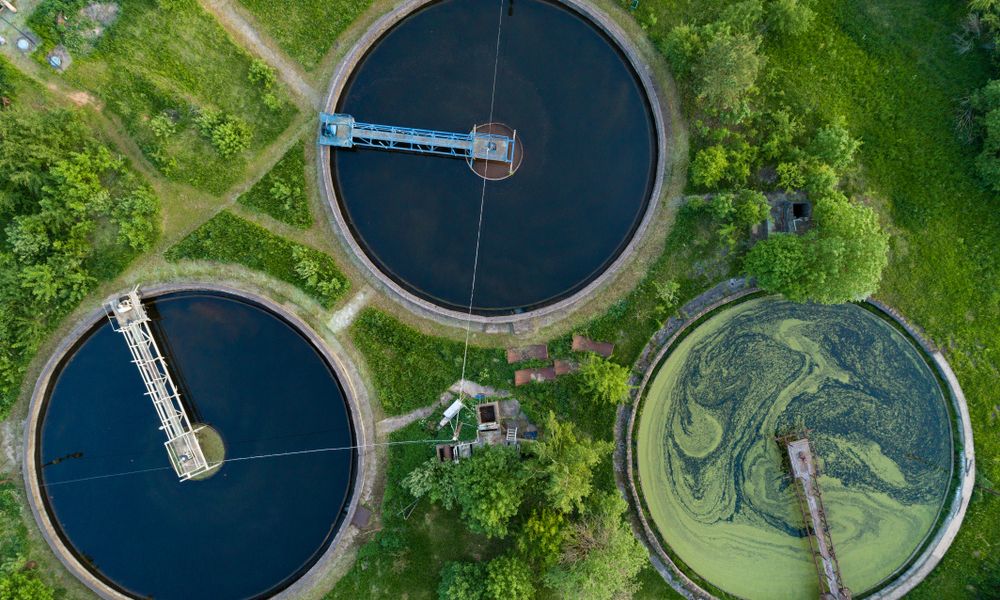
The logic was clean and policy-aligned.
Regulations already existed: establishments above a certain size (colonies, hotels, hospitals, industries, marriage gardens, etc.) had to install sewage treatment systems and obtain NOCs from pollution control authorities.
So Clean Water did what the market demanded. They built STPs. They delivered projects. On paper, everything looked like progress.
Then came the reality check.
The Breakpoint: 30 STPs Built, Only 3 Running
After executing over 30 projects, Priyanshu realized a brutal truth about incentives:
Most clients didn’t want treated water.
They wanted the NOC.
Once the certificate was obtained, many simply didn’t run the plants—especially colonies, hotels, and hospitals where operational maintenance is often treated as a cost to avoid.
The impact gap was obvious: even after installation, pollution continued. Water bodies kept receiving untreated sewage. The original mission remained unsolved.
For a founder, this moment forces a choice:
Keep executing the same model because it “sells”
Or redesign the model around what actually delivers outcomes
Priyanshu chose the second.
Why Clean Water Pivoted to Water Body Rejuvenation
Clean Water moved from “treatment plant installation” to water body rejuvenation—but the bigger pivot was from services to products.
Priyanshu’s reasoning was practical:
1) Services don’t scale easily in India
With services, payment cycles are slow, cash flow risk is high, and every new project requires heavy on-ground execution. Even at scale, the ceiling is limited.
2) Products scale faster and improve cash flows
Products are easier to replicate, distribute, and deploy widely. They also often come with better advance payment structures, enabling growth without constantly choking on receivables.
3) The problem is massive
If the mission is to rejuvenate water bodies at national scale, a consulting- or contractor-style approach caps impact. A product approach can reach far more water bodies per year—without requiring the company’s core team to physically execute each one.
So Clean Water shifted its focus:
“Let local NGOs and communities do what they can. We’ll solve the niche, technical piece: water quality.”
What Clean Water Actually Does Today
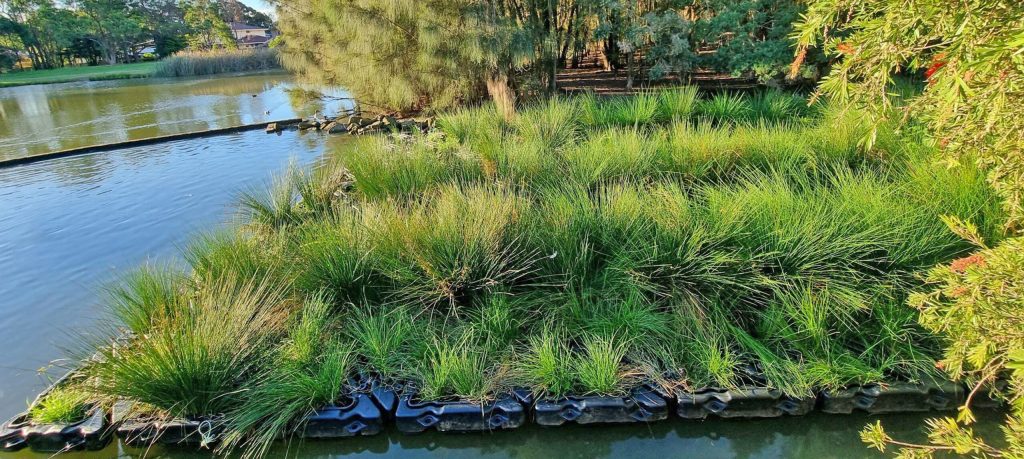
Clean Water is now a product-based water body rejuvenation company, focused on improving water quality using nature-based interventions.
Their approach is built around three core product categories:
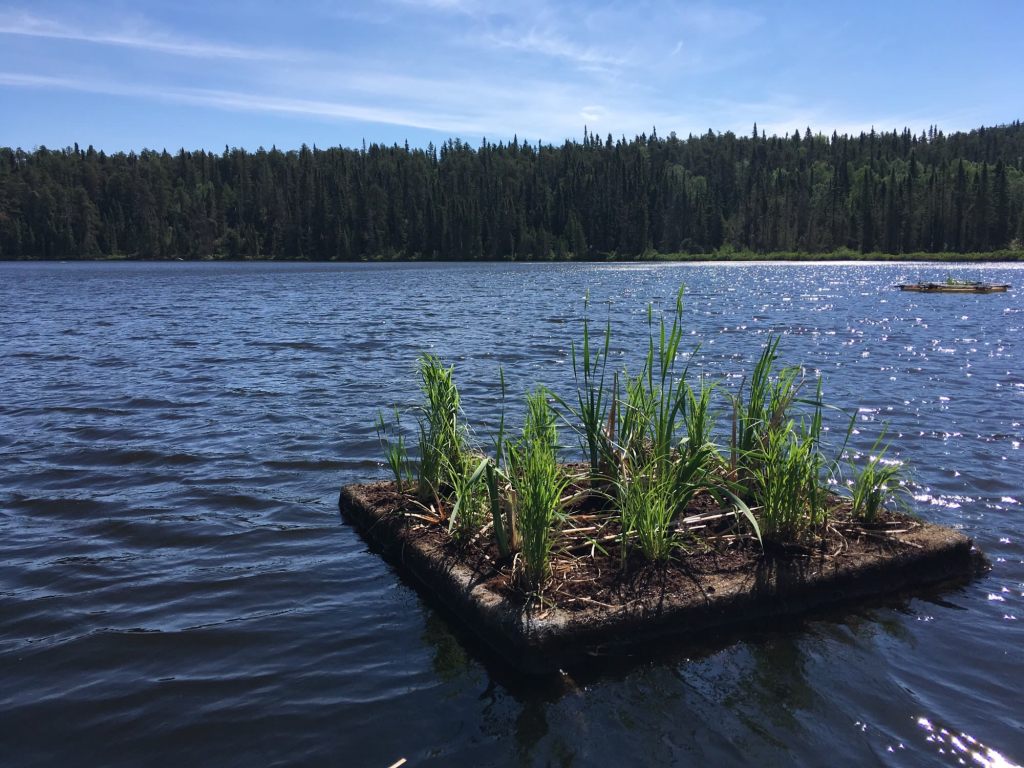
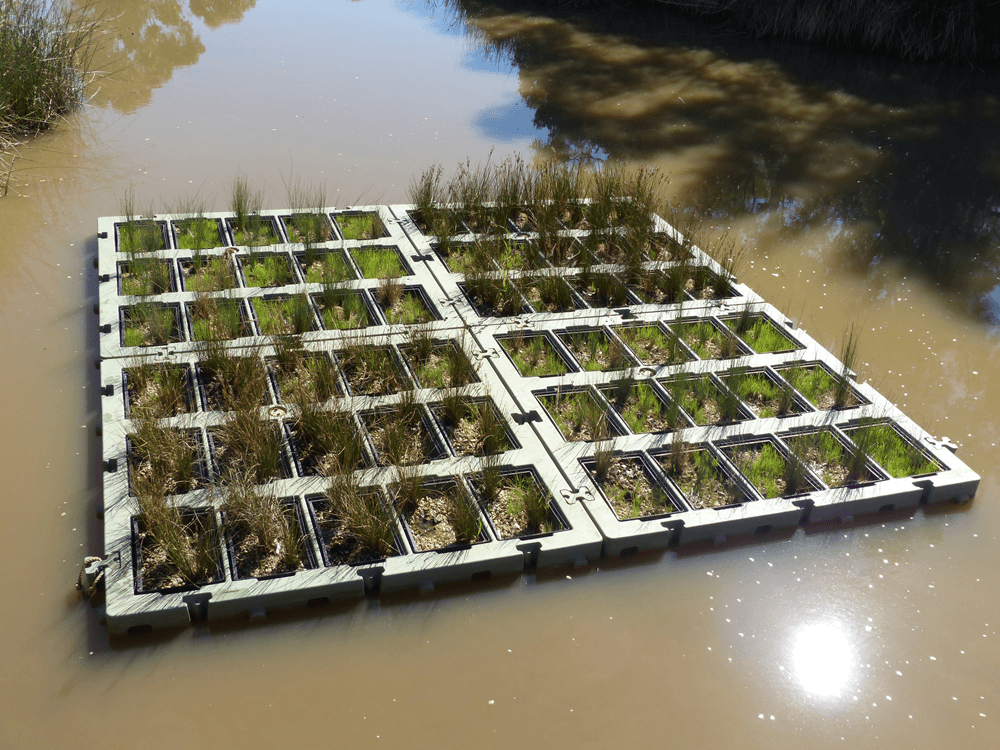
1) Floating wetlands
Floating platforms (installed with cranes for larger units) that are planted on-site. After initial establishment, they become self-sustaining and grow significantly, requiring periodic trimming.
2) Aerators (including solar options)
Floating aeration systems that improve dissolved oxygen and overall water quality—similar in principle to aquarium aeration, scaled up for lakes and ponds.
3) Beneficial microbial cultures
Bioengineered “friendly bacteria” formulations that help remove nutrients, reduce odor, improve clarity, and suppress invasive species by fixing cycles like nitrogen.
Together, these interventions target pollutants like organic load (BOD), nutrients, and other contaminants—while supporting ecological restoration (fish, birds, biodiversity) and even improving the aesthetic of a water body.
How a Water Body Rejuvenation Project Typically Works
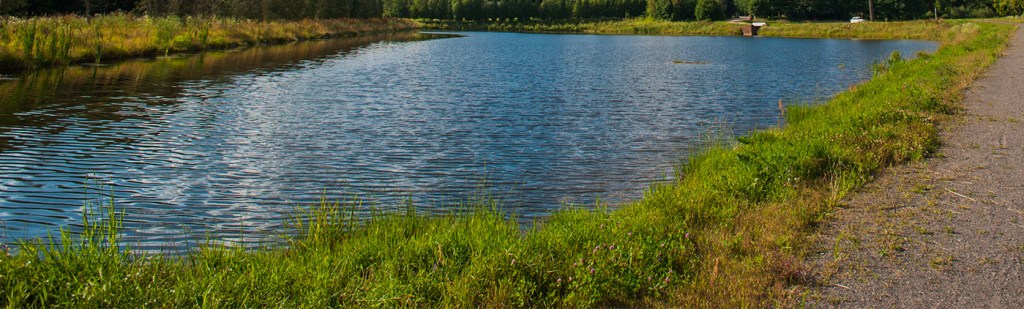
Priyanshu lays out a step-by-step approach that’s refreshingly grounded:
Demarcate and protect the water body (boundary wall, buffer definition)
Identify pollution sources (sewage inlets, agricultural runoff, industrial discharge)
Test water quality to understand what’s actually off the charts
Assess siltation and restore depth if needed
Ideally stop pollution at source (treatment before entry, where feasible)
Deploy products for water quality and ecology restoration
Layer on community goals (walkways, green cover, benches, lighting) depending on stakeholder priorities
Importantly, he distinguishes two implementation routes:
CSR route: CSR funds → NGO execution + product procurement
Government route: consultant DPR → tender → contractor execution (slower, more complex)
The First Proof Point: A Small Pond Before Bigger Lakes
Like many product-led sustainability businesses, Clean Water faced an early credibility challenge:
People asked, “Have you rejuvenated any water body?”
So they self-sponsored a pilot: Nalanda Sarovar, a small pond (~10,000 sq ft). This gave them something no pitch deck can substitute—a live example.
That early project became a foundation for scaling and also earned recognition, including a national-level “Water Hero” award (as shared in the interview).
Scaling Across India, With One Core Reality: Every Water Body Is Different
Clean Water has worked across 27+ water bodies and expanded to 11 states, but Priyanshu emphasizes something crucial:
There is no single template.
Different water bodies have different:
pollutant types and loads
inlet patterns (constant vs seasonal)
depth and silt dynamics
industrial contamination risks
summer shrinkage and drying cycles
Product development in this space is slow because the true test happens across seasons. Design improvements can take a year to validate properly.
Challenges: Hardware, Capital, and Governance Friction
Priyanshu names three consistent bottlenecks for the sector:
1) Slow R&D cycles
Nature-based solutions need time to prove performance. You can’t compress seasons.
2) Capital constraints
Water, waste, and air solutions often require physical hardware. Investors frequently prefer software-led hyperscale models, making funding harder.
3) Government procurement friction
He describes long tender cycles, reference-tender dependencies, certification questions in emerging categories, and unpredictable payment dynamics.
Where the transcript becomes sharp, the underlying point is important for founders: even great solutions can get blocked by misaligned incentives.
Clean Water’s response is strategic: they want government scale, but they aim to reach it through a distributor network, similar to how industrial product companies supply into government systems.
Operating Philosophy: “Sharpen the Axe”
Priyanshu describes a philosophy that shapes how they build:
“Spend 90% of the time sharpening the axe, and only 10% hacking.”
Instead of scaling prematurely, Clean Water focused on building credibility through:
field validation across many water bodies
improved product design and reliability
proof that the model works beyond one showcase project
Now, with products maturing and demand increasing, the plan is to scale faster—with a clear understanding of the “0→1, 1→10, 10→10,000” journey.
Advice for Sustainability Founders: Market First, Ego Last
Priyanshu’s advice is especially relevant for technical founders:
1) Do market research before building the solution
Talk to 10–100 potential customers. Understand what they truly want, not what you want them to want.
His STP experience is the warning: the market bought compliance, not outcomes.
2) Don’t fall in love with your product
A common trap: technical founders build one solution and force-fit it everywhere. Real-world sustainability problems are messy. Solutions must evolve.
In his case, floating wetlands alone weren’t enough—so Clean Water added aerators and microbial cultures to complete the system.
3) Be honest about the path you choose
Working at a large scale often involves navigating institutional complexity. Founders must evaluate what compromises they are willing (or not willing) to make—and build strategies accordingly.
A Sustainable Habit That’s Surprisingly Practical
Priyanshu’s personal habit is simple and telling: two dustbins in his car, always.
No moral grandstanding—just a system that makes the right behavior frictionless.
That theme echoes everything about Clean Water too: don’t just preach better behavior—design for it.
The Closing Message: Why the Next Generation Has to Push
Priyanshu ends with a direct call: climate and pollution impacts will hit younger generations hardest. If public pressure doesn’t rise, political incentives won’t shift, and the status quo persists.
Whether you agree with all of his framing or not, the urgency is hard to ignore:
If you want clean water bodies, it can’t be a background issue.
It has to become a visible demand.
Final Takeaway
Clean Water’s journey is not just about water. It’s about a hard lesson in sustainability:
Impact isn’t what you build. It’s what gets used.
And if the system isn’t designed around real incentives—good solutions become expensive objects that sit unused.
That’s why Clean Water pivoted. And that’s why its product-led model matters.

Other articles
We work with individuals, startups, and NGOs dedicated to forging a sustainable future. Tell us about your mission.

