
- All articles
Minus Degre: Rethinking Plastic Waste as a Material, Not a Problem
By Ketul
Updated 20 March, 2026
10 min read
Contents
Main Menu
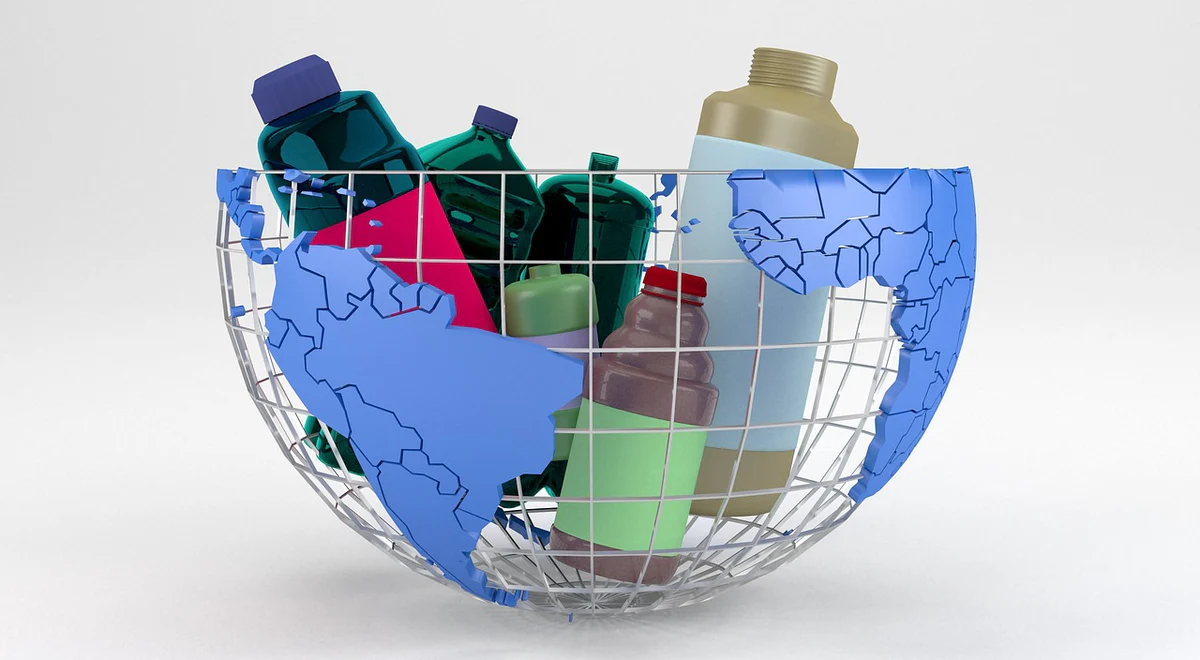
Plastic has quietly become one of the most misunderstood materials of our time. It is blamed for polluted oceans, overflowing landfills, and broken waste systems. But somewhere in that narrative, an important question gets lost — is plastic really the problem, or is it the way we use and discard it?
This is where Minus Degre begins.
For Rahul, the founder, plastic was never the villain. In fact, it was one of the most intelligently designed materials ever created — durable, versatile, and resource-efficient. The real issue, as he puts it, lies in our civic sense. We treat a long-lasting material like plastic as disposable, undervalue it, and design products that are used for minutes but last for decades.
That mismatch — between material lifespan and product lifespan — is what creates the crisis we see today.
And instead of trying to eliminate plastic entirely, Minus Degre is asking a different question:
What if we simply used plastic better?
Seeing waste differently

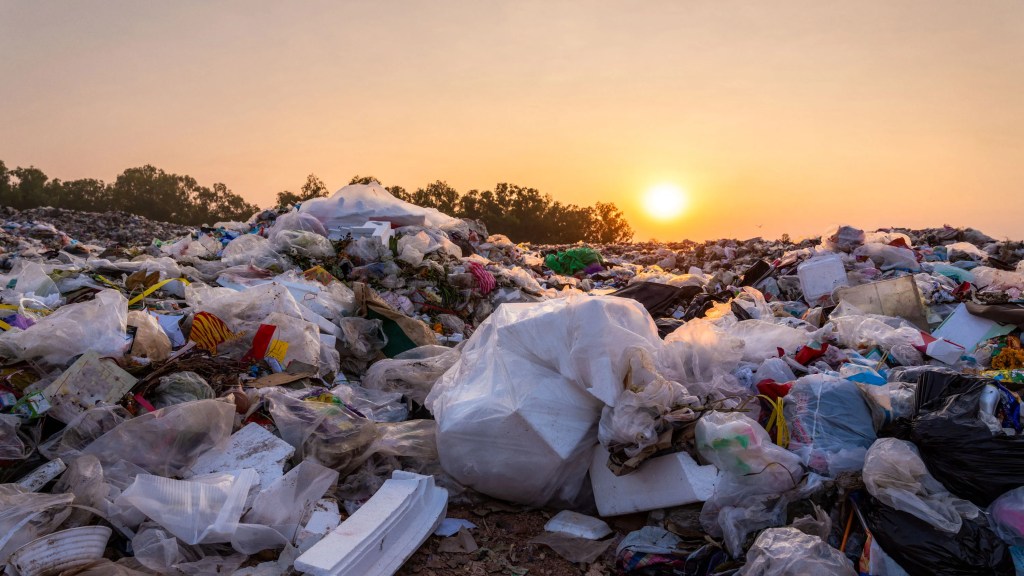
If you look closely, plastic is already everywhere. Nearly everything we interact with daily — directly or indirectly — involves plastic in some form. From packaging and electronics to interiors and infrastructure, it is deeply embedded in modern life.
So the idea of completely removing plastic is not only unrealistic, it may not even be necessary.
What is necessary is changing how we see it.
Minus Degre reframes plastic waste not as something to get rid of, but as something to work with. The moment waste is seen as material, the entire approach shifts — from disposal to design, from management to value creation.
And that is where most recycling systems today fall short.
Why recycling isn’t enough
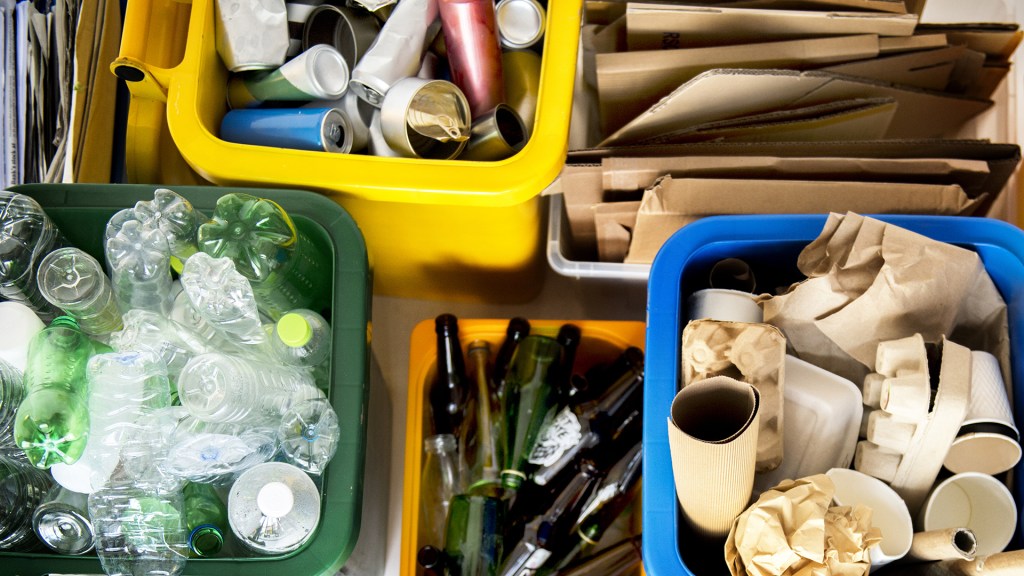
Recycling is often presented as the solution, but in reality, it solves only a small part of the problem.
In India, only a fraction of plastic is effectively recycled. Even within that, most of it is downcycled — turned into lower-quality products that eventually become waste again. The typical process involves shredding, melting, and remoulding plastic, which gradually weakens its properties.
So while the material is technically reused, its value keeps decreasing.
Minus Degre takes a different route.
Instead of breaking plastic down and rebuilding it, they focus on preserving its original properties. Segregation becomes critical — not just by type, but also by colour. Processing is kept minimal, avoiding unnecessary melting or degradation.
The idea is simple: if plastic is already strong, why destroy that strength?
This allows them to create materials that are not only functional, but also visually compelling.
Designing for longevity, not disposal
One of the most important shifts Minus Degre brings is moving away from short-term thinking.
Most products today are designed for quick use and quick disposal. Sustainability is then expected to fix what happens after that.
Minus Degre flips that logic.
Their materials are designed to last — often 5 to 10 years, and in some cases even up to 20 years depending on the application. This changes the equation entirely. A long-lasting product made from waste can have far more impact than a “recyclable” product that is discarded quickly.
Sustainability, in this sense, is not just about material choice — it is about time and durability.
Where design meets waste
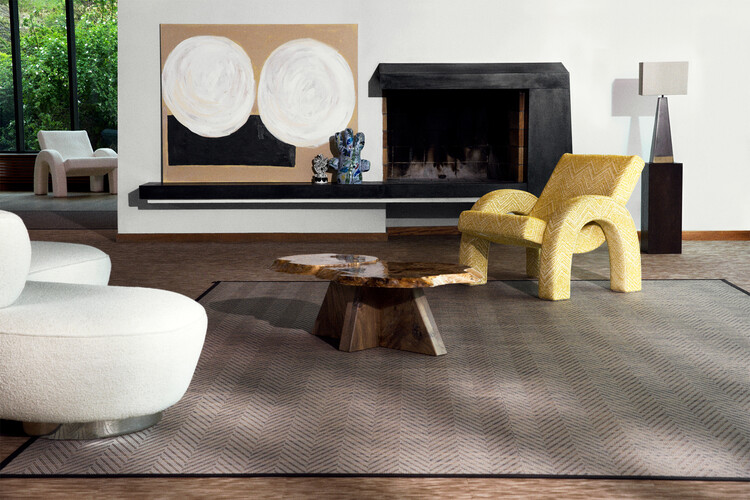
Rahul’s background in textile design from NIFT Delhi plays a key role in shaping Minus Degre.
The journey did not begin as a recycling business. It began as a design exploration. Early experiments involved creating small objects — jewellery, art pieces, and corporate gifting items — using plastic waste.
What emerged from these experiments was a powerful insight:
People are willing to adopt sustainable products only when they don’t feel like a compromise.
A product made from waste cannot survive on intention alone. It has to:
- look premium
- feel well-designed
- and perform reliably
This led Minus Degre to focus heavily on aesthetic value — curating colours from waste streams like bottle caps, refining textures, and creating finishes that compete with conventional materials.
And slowly, waste started to look desirable.
From experiments to material innovation
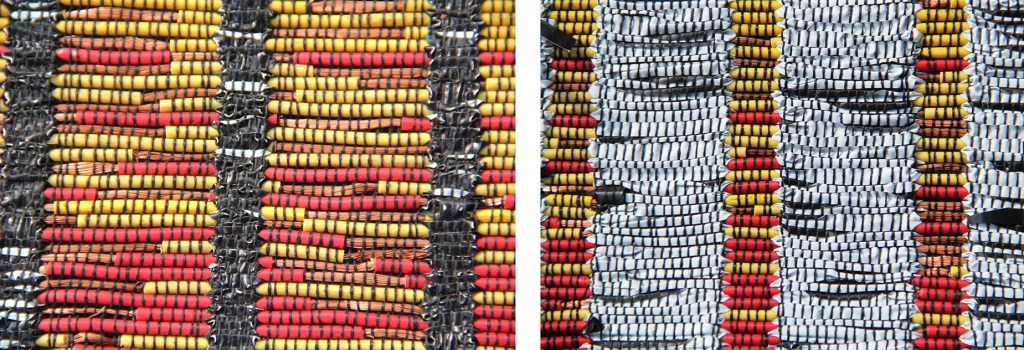
Over time, Minus Degre evolved from small design products into a material innovation company.
Today, their materials are used in:
- interior panels
- architectural surfaces
- furniture applications
- corporate and branded installations
In many cases, these materials are positioned as alternatives to laminates or decorative surfaces. They are not sold as “recycled plastic,” but as high-quality materials with a story and purpose.
This shift is crucial.
Because the goal is not to sell sustainability as a feature —
but to make sustainability an inherent part of good design.
The harder reality of building in India
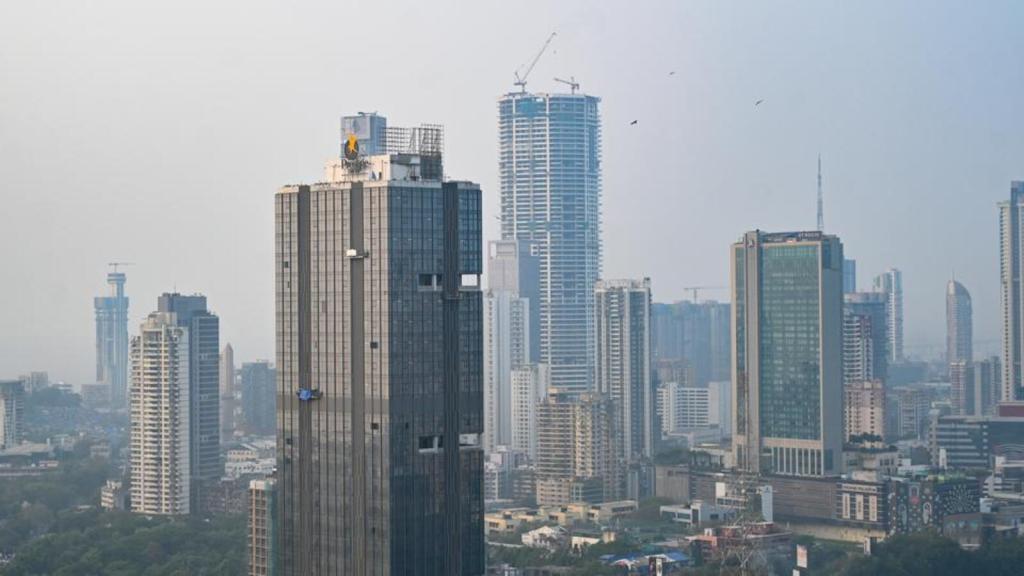
While the idea is powerful, the journey has not been easy.
Rahul speaks openly about the challenges of building a startup in India, especially as a first-generation entrepreneur. Access to funding, navigating policies, and securing financial support remain difficult.
Even when working on impactful solutions, support systems often feel inaccessible on the ground. Loans are hard to secure, grants are inconsistent, and early-stage founders face significant uncertainty.
And yet, Minus Degre continues to move forward — driven not by ease, but by belief.
What it takes to build in sustainability
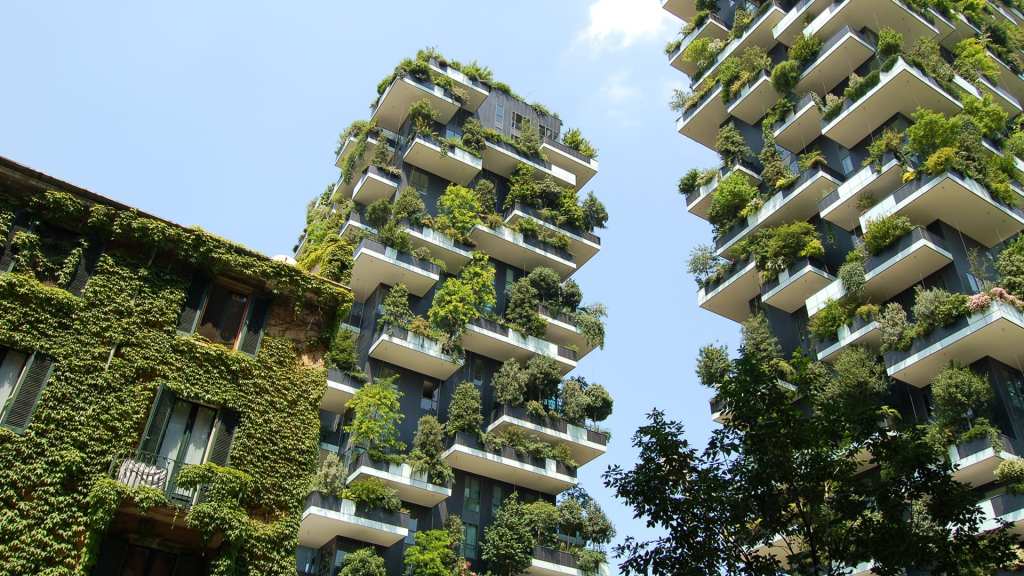
Rahul’s journey highlights a few truths about building in this space.
First, belief matters. When you are working on something new, validation comes late.
Second, patience is essential. Sustainability does not scale overnight. It requires time for markets to understand, accept, and adopt.
And third, the right people matter. Not people who think the same way, but people aligned with the same mission, bringing different perspectives to the table.
A new way to think about plastic
At its core, Minus Degre is not just about recycling plastic. It is about reframing it.
Plastic waste is not the end of a material. It is a missed opportunity.
With the right approach, it can become:
- durable
- functional
- visually appealing
- and economically valuable
But that transformation depends on how we design, use, and value it.
Closing thought
The conversation around plastic is often extreme — eliminate it, replace it, avoid it.
But Minus Degre offers a more grounded perspective.
Plastic is already a part of our world. The question is not whether it exists, but how we choose to use it.
Because alongside reducing plastic consumption, we also need to learn how to use what already exists more intelligently.
And perhaps, the future of sustainability lies not just in new materials, but in rethinking the ones we already have.
FAQs
1. What is Minus Degre?
Minus Degre is a material innovation startup that transforms plastic waste into high-quality, durable materials for design, architecture, and interiors.
2. How is Minus Degre different from traditional recycling?
Instead of melting and degrading plastic, Minus Degre preserves its properties through minimal processing, resulting in stronger and longer-lasting materials.
3. What products does Minus Degre create?
They create interior panels, furniture materials, architectural surfaces, and custom design applications using plastic waste.
4. Why is recycling not enough to solve plastic waste?
Most recycling leads to downcycling, where material quality reduces over time, eventually turning into waste again.
4. Why is recycling not enough to solve plastic waste?
Most recycling leads to downcycling, where material quality reduces over time, eventually turning into waste again.
5. How long do Minus Degre products last?
Their materials typically last between 5 to 20 years, depending on the use case and application.
6. Is plastic really the problem?
Plastic itself is not the core issue. The problem lies in how it is used for short-term purposes and disposed of without proper systems.
7. Can plastic waste be turned into premium materials?
Yes. With proper segregation, design, and processing, plastic waste can become high-quality, aesthetically appealing materials.
8. Who can use Minus Degre materials?
Architects, interior designers, furniture makers, and brands can use these materials for sustainable and design-led applications.
9. What challenges do startups like Minus Degre face?
They often face funding constraints, policy barriers, slow market adoption, and operational challenges as first-generation entrepreneurs.
10. What is the future of plastic waste?
The future lies in combining reduction with better utilization — creating long-lasting, high-value products from existing plastic waste.
Related articles
Brown Leaf: Creating circular economy of dry waste leaves
Achint
August 14, 2022

Do Carbon Markets Actually Reduce Emissions? What the Evidence Shows
Rittika Rana
February 4, 2026
Ready to talk?
We work with individual initiatives, startups, and NGOs dedicated to forging a sustainable future with better design, marketing, technology & operations.