
- All articles
From Plastic Laminates to Plastic-Free Paper: The Pippa Story
By Ketul
Updated 27 Feb, 2026
10 min read
Contents
Main Menu
For decades, packaging innovation meant “stronger laminates, better barriers, faster production.” But it also meant more plastic—often multilayer plastic that can’t be recycled at all.
Pippa’s journey is a rare and important counter-story: a legacy packaging business deciding to step away from non-recyclable plastic, and then doing the hard thing—building a plastic-free, bio-based coating that helps paper behave like plastic (without breaking existing manufacturing realities).
This is the story Rajath shared: a factory-floor realization, a search that came up short, two years of relentless R&D, and a breakthrough that turned a “sustainable alternative” into something the market can actually adopt—because it performs, scales, and can even cost less than plastic.
The turning point: seeing the waste inside the factory
Rajath grew up around packaging. His family’s manufacturing firm had worked across the spectrum—plastic films, multilayer laminates, aluminium foils—serving real customers with real constraints.
But one normal workday changed everything.
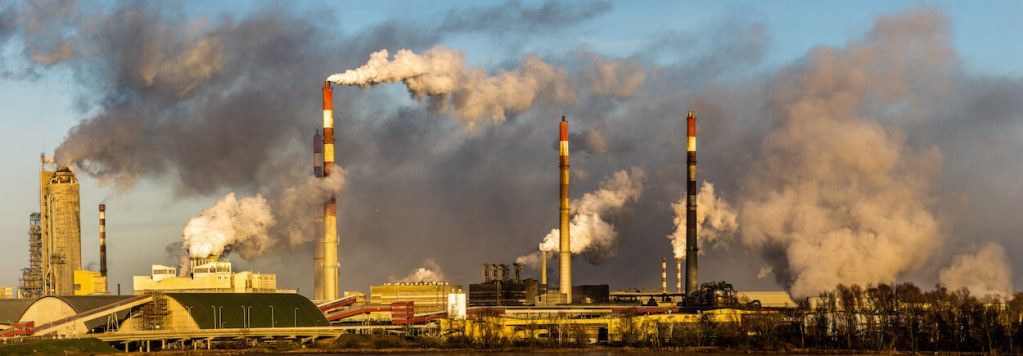
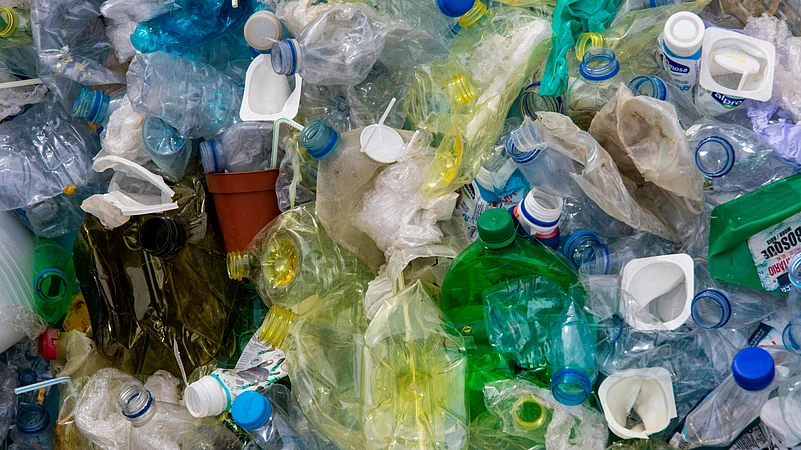
Walking through the factory floor, he saw the mess that production can generate—only this time it hit differently: plastic everywhere, much of it non-recyclable (the kind that gets marked with recycling codes but still ends up in landfills, rivers, or the ocean).
At the same time, the world outside the factory was already sounding the alarm: microplastics entering ecosystems, plastics entering the food chain, and packaging waste piling up in public spaces.
The contradiction became impossible to ignore:
- The world is overwhelmed by plastic waste
- The factory is producing more of it
- And the packaging being shipped out is often designed to be disposed, not recovered
That gap—between “what the world needs” and “what the system produces”—became Pippa’s reason to exist.
First attempt: buy sustainable materials and resell them

Pippa didn’t start with a miracle coating. It started with a practical question:
Can we source a sustainable packaging alternative and sell it to our customers?
So the team hunted for ready-made solutions. But what they found was the same problem many brands hit:
- The “sustainable” options were often too expensive
- Or not as sustainable as advertised
- Or couldn’t meet the real-world performance needs customers expect
And in packaging, performance is non-negotiable. Most customers aren’t shopping for ideology—they’re shopping for:
- price
- shelf life
- sealing
- barrier performance
- machine compatibility
If a solution is “green” but fails on these, it doesn’t scale.
That’s when the direction changed from reselling to inventing.
The real challenge: don’t just reduce plastic—replace it
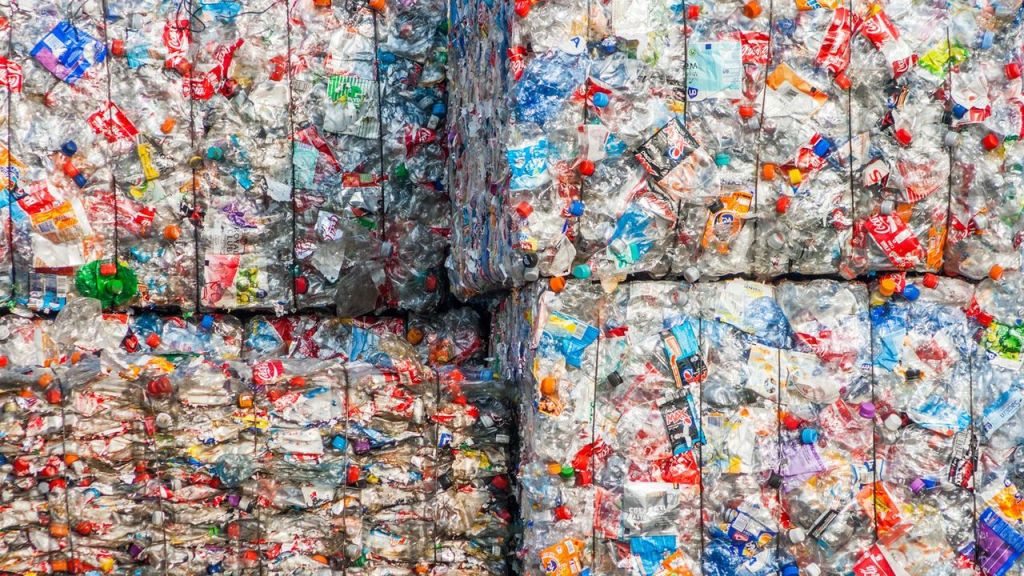
Pippa’s early thought was pragmatic: If we can’t remove plastic completely yet, can we at least reduce it?
So they experimented with replacing multilayer plastic structures with simpler constructions: one plastic layer bonded to a more sustainable substrate.
But over time, the goal sharpened:
Plastic has to go. Not become thinner. Not become “less.” Go.
That meant building a coating that could deliver:
- water and oil resistance
- heat sealability
- strong barrier properties
- compatibility with existing converting/manufacturing lines
- and credible end-of-life outcomes
In other words: make paper behave like plastic—without plastic.
The breakthrough material direction: cellulose from agricultural waste
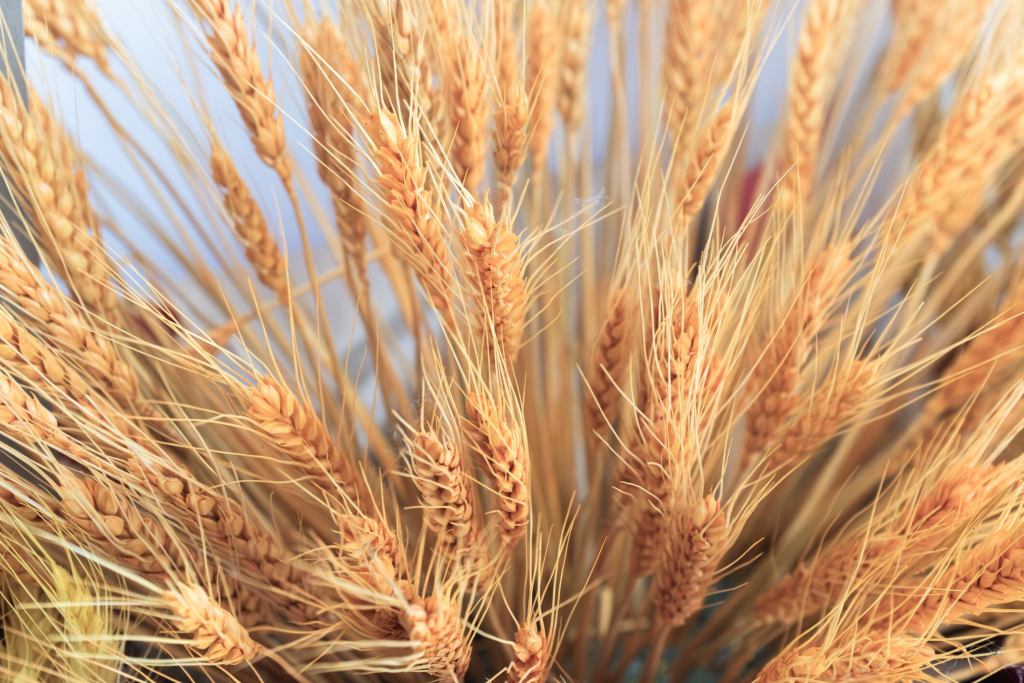
In the search for something abundant and scalable (not dependent on petroleum), the team landed on a natural powerhouse:
What is cellulose (in simple terms)?
Cellulose is one of the main building blocks of plant structures. It’s a natural polymer found widely across plant matter.
Pippa’s key insight wasn’t just “use cellulose”—it was where to source it.
They didn’t want to cut forests to extract it. So they explored agricultural waste as a source—aligning packaging innovation with a circular feedstock logic.
But “finding cellulose” was not the hard part.
Converting it into a usable, consistent, scalable input was.
Two years of R&D: iteration, failure, and building a new coating process
Rajath describes the R&D phase the way most founders in deep-tech do:
- intense
- uncertain
- exhausting
- and full of failure loops
They were building not only a formulation, but also a way to coat it onto paper.
A recurring challenge: you can have a promising formula and still fail at step 11 after 10 steps went right—then start again from scratch.
They worked with plant science experts and consultants—people “wizard-level” in chemistry—while leveraging the manufacturing strength already present in their business.
One important nuance: Rajath isn’t a chemical engineer by training (he’s a mechanical engineer with automation/production experience). That shaped how they approached the problem:
- translate lab concepts into repeatable production steps
- build around manufacturability, not only novelty
- design for adoption by real packaging producers
After 60–100 iterations, Pippa reached a version that finally held up.
And in December 2024, they achieved a milestone: a plastic-free coating solution that could replace plastic completely in their target applications.
What Pippa actually makes: a “packaging liquid” that turns paper into barrier packaging
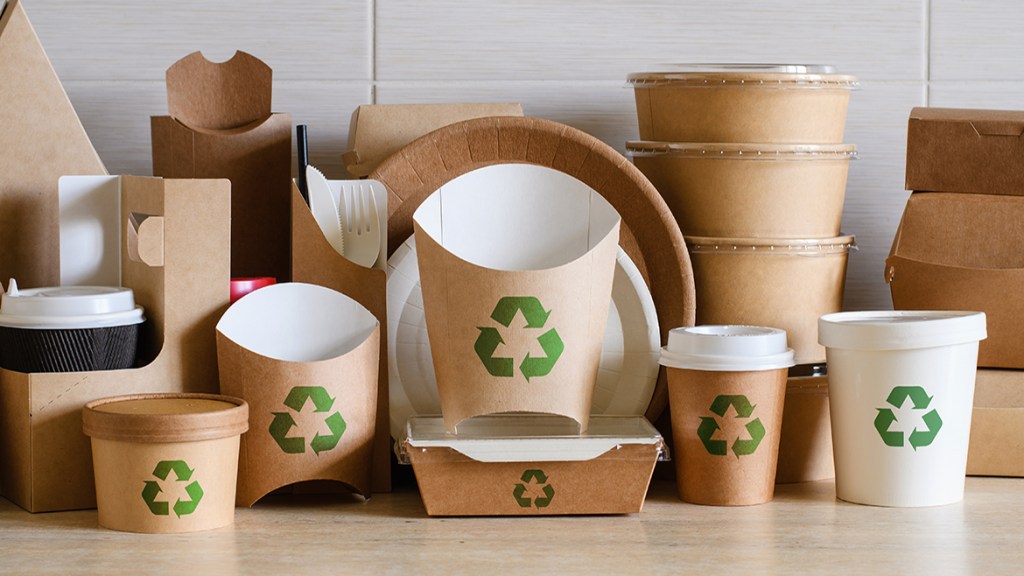
Pippa’s core product is not a finished pouch.
It is a coating formulation—a liquid applied onto paper (or other substrates) that, once dried, creates a functional barrier layer.
The outcome:
- paper becomes water resistant
- oil and grease resistant
- heat sealable
- and strong enough to behave like mainstream packaging
Rajath demonstrated it live by sealing a paper pouch and pouring water into it—paper holding water without leakage, something most people instinctively assume is impossible.
That’s the “wow” moment. But the business moment comes next.
Reporting involves compiling all the findings from the EIA into a document known as the Environmental Impact Statement (EIS).
How is it done?
Write the EIS, detailing the project’s potential impacts, proposed mitigation measures, and how public input was addressed. The EIS is reviewed by regulatory authorities and made available to the public for further comments.
Why adoption becomes possible: it can cost less than plastic
Sustainable packaging often dies at the same place:
It works—but it costs more.
Pippa’s story flips that pressure point.
Rajath explains that one reason customers respond quickly is that Pippa’s solution can be cheaper than plastic (while meeting performance needs).
That’s a big deal because it changes the internal conversation at brands from:
- “We’ll do this as a CSR gesture”
to - “We can do this and improve unit economics”
When cost stops being a penalty, adoption can move from niche to mainstream.
Proof in the real world: early customers, fast feedback, repeat orders
Pippa didn’t start with global conglomerates.
They started with smaller brands willing to experiment—especially in an ecosystem like Bangalore where early adoption is more common. They provided small batches (100–200 pouches), invited feedback, and iterated quickly.
This is what made the early traction meaningful:
- customers tested it with real products
- returned with requirements (“we need this barrier,” “we need that seal”)
- and continued ordering once performance matched expectations
Over ~8 months, Rajath shared that Pippa grew from 2 clients to 21—a signal that this isn’t only a lab win; it’s product-market momentum.
Compostable doesn’t mean “disappears instantly”
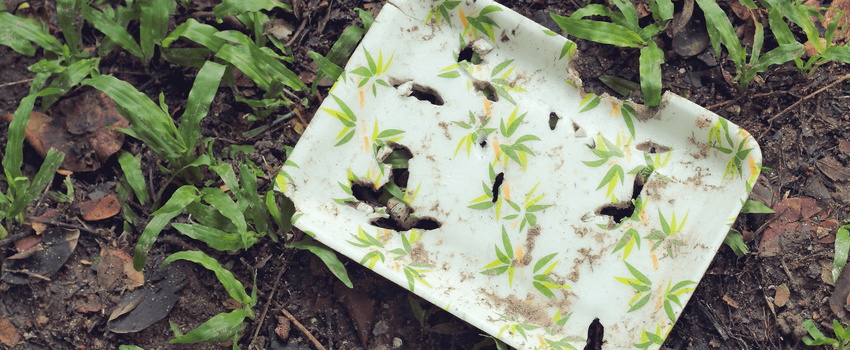
One of the smartest parts of Rajath’s explanation is addressing a common misconception:
If it’s compostable, why doesn’t it break down when it touches water?
Because compostability is not the same as instant dissolution.
Packaging needs a controlled balance:
- stable during use (days/weeks/months depending on application)
- degradable after disposal under the right conditions and timeframe
Rajath described that the material can hold water for days, but breaks down over weeks in composting conditions—meeting the real-life requirement: durability first, degradation later.
Scaling: current capacity and the next bottleneck
Pippa currently produces the formulation at meaningful volume (Rajath cited multiple tons per month), which can coat far larger quantities of paper depending on coating thickness and application requirements.
Their scaling bottleneck isn’t “is cellulose available?”—it’s:
- processing it into a consistent, usable form at higher throughput
- reducing dependency on limited external processors
- and bringing more of that capability in-house
That’s a common scaling inflection point in climate manufacturing: raw material exists, but refining/processing capacity becomes the constraint.
The bigger mission: enabling other manufacturers, not just selling pouches
One of the most important parts of Pippa’s long-term strategy is not only “we will sell plastic-free packaging.”
It’s: we will enable the industry to switch.
Rajath described a future where other packaging producers can adopt Pippa’s coating with minimal machine modifications—so the change isn’t limited to one company’s capacity.
This matters because packaging is a massive category:
- one company won’t eliminate plastic alone
- but one company can unlock a new default material pathway
Pippa’s approach aims to make the “plastic-free option” operationally reachable for more manufacturers.
Key lessons for eco-innovators from Pippa’s journey
1) Start with the real constraint: performance + price
Sustainability that can’t compete on function and economics stays niche.
2) Build for adoption, not applause
A solution that fits into existing manufacturing beats a solution that demands new systems everywhere.
3) Deep innovation is iteration-heavy
The breakthrough often looks like “100 failures and one version that finally holds.”
4) Your biggest moat might be the manufacturing method
Not just the formulation—the ability to produce it consistently, at scale, at cost.
FAQs
1. What is Pippa’s plastic-free packaging solution?
Pippa has developed a bio-based coating that can be applied to paper, making it function like plastic packaging. The coating provides water, oil, and grease resistance while remaining 100% biodegradable and home compostable.
2. How does Pippa’s coating make paper water and oil resistant?
Pippa uses a cellulose-based formulation derived from agricultural waste. When coated onto paper, it forms a transparent barrier layer that prevents water, oil, and oxygen from passing through, similar to plastic films.
3. Is Pippa’s packaging completely plastic-free?
Yes. Pippa’s latest formulation eliminates fossil-fuel-based plastic entirely. Unlike multilayer laminates, it does not contain hidden plastic layers and does not rely on petroleum-based polymers.
4. Is Pippa’s coated paper home compostable?
Yes. The material is certified home compostable and begins breaking down under composting conditions within weeks. It remains stable during product use but decomposes naturally after disposal.
5. How long can Pippa’s packaging hold liquids?
The coated paper can hold water and oil for several days without leakage. It maintains structural integrity during normal storage and usage periods before eventually degrading under composting conditions.
6. Can Pippa’s packaging be recycled?
Yes. The material is certified home compostable and begins breaking down under composting conditions within weeks. It remains stable during product use but decomposes naturally after disposal.
7. How is Pippa different from traditional “eco-friendly” packaging?
Many eco alternatives still contain plastic layers or PFAS-based coatings. Pippa’s solution is PFAS-free, plastic-free, bio-based, and designed for circularity — combining performance, affordability, and compostability.
8. Is Pippa’s packaging safe for food contact?
Yes. The coating is food-grade and designed for direct contact with dry and oily food products such as snacks and mixtures. It does not alter taste, texture, or shelf life.
9. Is sustainable packaging more expensive than plastic?
In many cases, yes — but Pippa’s solution is engineered to be cost-competitive and can even be cheaper than certain plastic laminates. This makes large-scale adoption more feasible for brands.
10. Can other packaging manufacturers adopt Pippa’s coating?
Yes. Pippa’s formulation can be applied with minimal modifications to existing coating lines, enabling other packaging manufacturers to transition away from plastic-based laminates.
Related articles

Craste: Turning Crop Waste Into a Sustainable Future
Rittika Rana
November 10, 2025
RExergy and their journey towards cleaner solutions
Shruti Patel
August 21, 2023
Ready to talk?
We work with individual initiatives, startups, and NGOs dedicated to forging a sustainable future with better design, marketing, technology & operations.