

- All articles
Solar Lights: Types, Uses, and Their Role in Sustainable Energy
By Ketul
Updated 17 Mar, 2026
10 min read
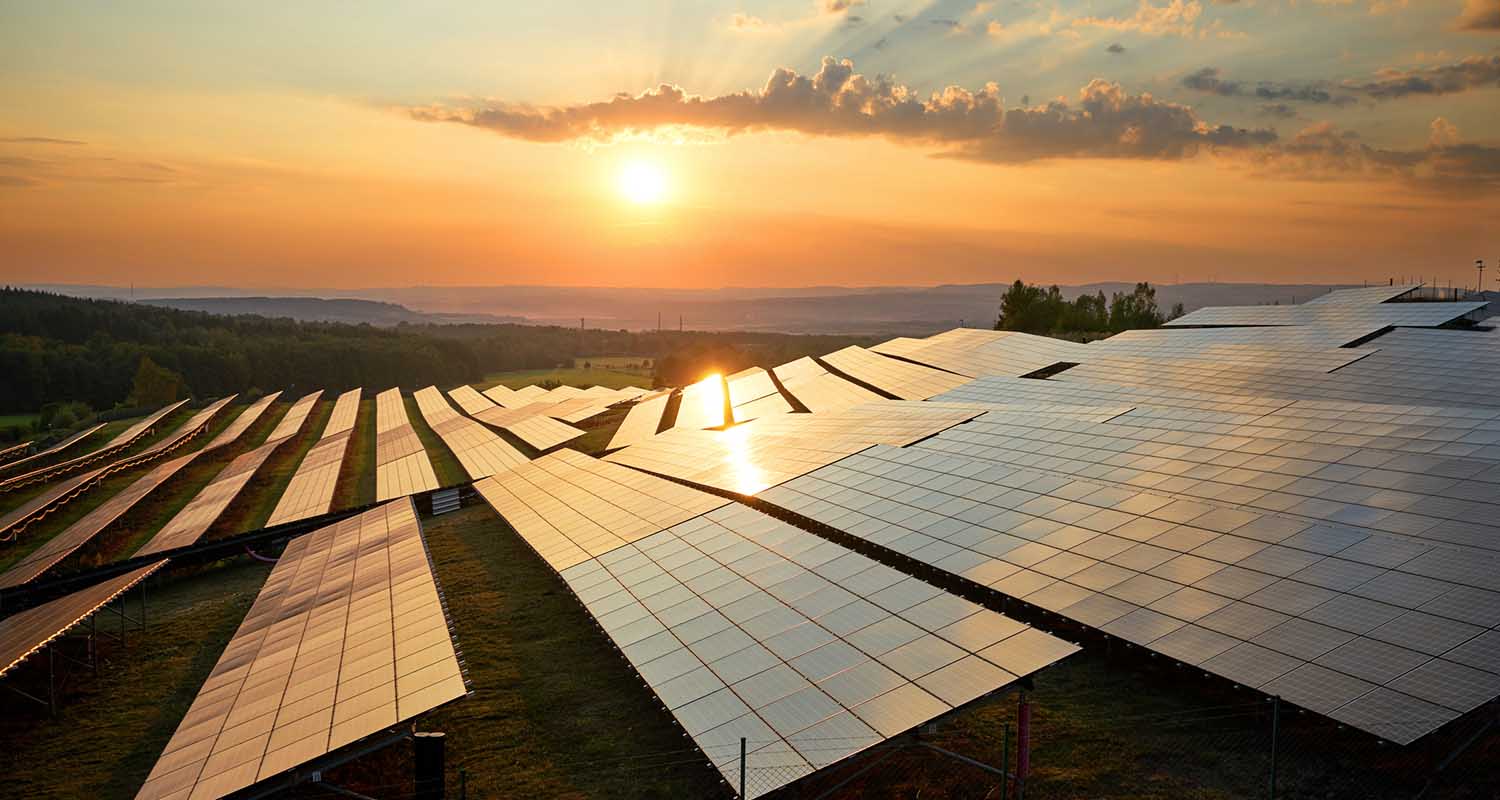
Contents
Main Menu
Lighting is one of the most essential yet often overlooked components of modern energy use. From homes and streets to public infrastructure and commercial spaces, reliable lighting underpins daily life and economic activity. However, the way lighting is powered is undergoing a significant shift.
As energy demand increases and sustainability becomes a central concern, solutions that are clean, decentralised, and efficient are gaining importance. One such solution is the solar light — a system that uses sunlight to generate and store energy for illumination.
Once limited to off-grid applications, solar lights are now widely used across both urban and rural environments. Their relevance extends beyond convenience. They represent a shift toward energy systems that are more resilient, distributed, and environmentally sustainable.
According to the International Energy Agency’s India Energy Outlook, India’s energy demand is expected to grow significantly, making decentralised renewable solutions an essential part of the future energy mix.
This guide explains everything you need to know about solar lights — from how they work and their types to where they are used and why they matter in the broader transition toward sustainable energy.
What Are Solar Lights?
Solar lights are lighting systems that use solar energy instead of grid electricity. They capture sunlight during the day, store it in batteries, and use it to power lights at night.
A solar light system is made up of several key components that work together seamlessly. The solar panel captures sunlight and converts it into electricity, which is then stored in a battery for later use. The LED light provides illumination, while a controller regulates the energy flow, ensuring efficient charging and protecting the system from damage.
Unlike traditional lighting systems, solar lights operate independently of the electricity grid. This makes them particularly useful in areas with unreliable power supply, while also reducing dependence on conventional energy sources.
How Solar Lights Work

Solar lights operate through a simple yet effective cycle that allows them to function without grid electricity.
During the day, solar panels absorb sunlight and convert it into electrical energy. This energy is stored in a battery, making it available for use after sunset. At night, the stored energy powers LED lights, providing illumination.
A controller manages the entire process by regulating charging and preventing overuse or damage to the battery. This ensures that the system operates efficiently over time.
This straightforward mechanism is one of the key reasons solar lights are easy to deploy across different environments — from homes to highways.
Types of Solar Lights
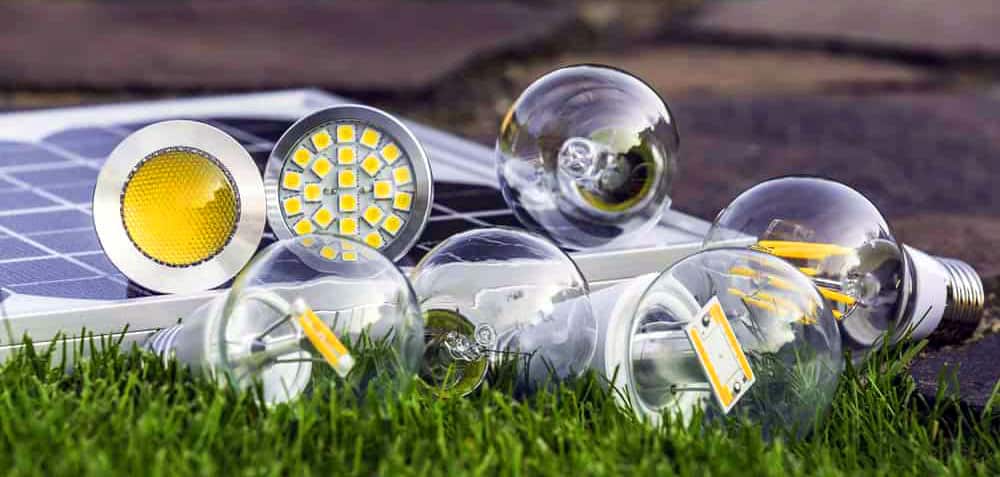
Solar lights are designed for different applications depending on their purpose and scale. Each type serves a specific need while contributing to energy efficiency and sustainability.
Solar Street Lights
Solar street lights are used in roads, highways, and public spaces. These systems operate independently of the grid and are increasingly being adopted by municipalities to reduce electricity costs and improve reliability.
Solar Garden Lights
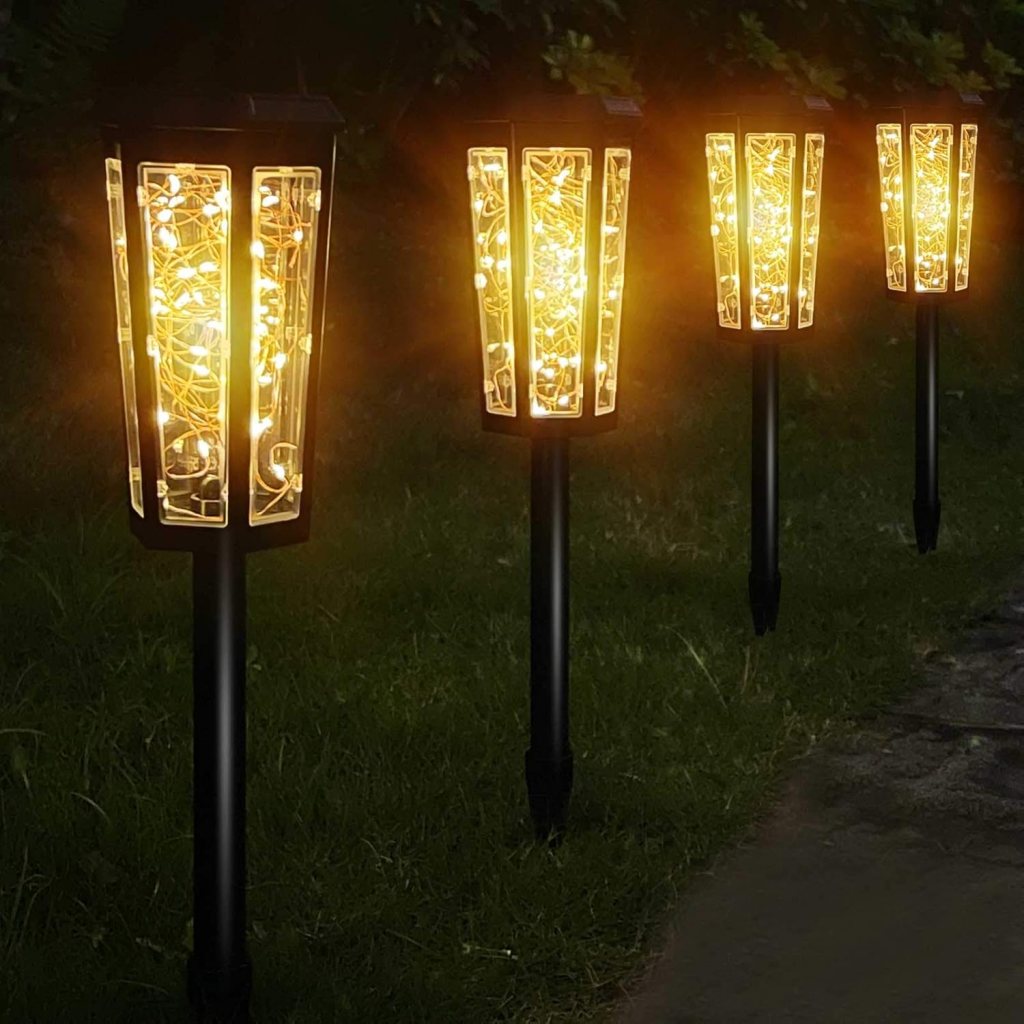
These are commonly used in residential and commercial spaces for outdoor lighting. Solar garden lights are ideal for pathways, landscapes, and decorative purposes, offering both functionality and aesthetics.
Solar Home Lighting Systems
Designed for indoor use, these systems are particularly useful in areas with unreliable electricity supply. They provide a dependable alternative to grid-based lighting.
Solar Lanterns
Portable and easy to use, solar lanterns are widely used in rural areas, emergency situations, and temporary setups. They are especially valuable where mobility and simplicity are important.
Where Solar Lights Are Used
Solar lights are being adopted across multiple sectors due to their flexibility and independence from grid infrastructure.
Rural and Off-Grid Areas
In regions where electricity access is limited or inconsistent, solar lights provide a reliable source of illumination. They enable households, schools, and community spaces to function after sunset, improving quality of life and productivity.
Urban Infrastructure
Cities are increasingly adopting solar street lights to improve safety, reduce electricity consumption, and lower operational costs. These systems also help reduce pressure on urban power grids.
Residential Spaces
Households use solar lights for outdoor lighting, backup systems, and reducing electricity bills. With increasing awareness, solar lighting is becoming a practical choice for everyday use.
Commercial and Institutional Use
Businesses, campuses, and industrial facilities are integrating solar lighting into their operations to improve sustainability performance and reduce energy expenses.
Benefits of Solar Lights

Solar lights offer several advantages that make them an important part of modern energy systems.
One of the most significant benefits is cost savings. Once installed, solar lights generate electricity from sunlight, eliminating recurring energy expenses. Over time, this can lead to substantial financial savings.
Solar lights also have a lower environmental impact. By reducing dependence on fossil fuels, they help lower greenhouse gas emissions and contribute to climate goals. According to the International Renewable Energy Agency (IRENA), decentralised renewable solutions such as solar lighting are critical for reducing emissions while expanding energy access.
Another key advantage is energy independence. Solar lights operate without relying on the grid, making them reliable even during power outages. This is particularly valuable in areas with inconsistent electricity supply.
In addition, modern solar lighting systems are designed to be durable and require minimal maintenance, making them suitable for long-term use.
Challenges and Considerations

Despite their advantages, solar lights come with certain challenges that need to be considered.
The upfront cost of installation can be higher compared to traditional lighting systems. While the long-term savings often justify the investment, the initial cost may be a barrier for some users.
Product quality is another important factor. The market includes a wide range of solar lighting products, and lower-quality systems may lead to performance issues and reduced lifespan.
While maintenance requirements are generally low, proper installation and occasional checks are necessary to ensure optimal performance over time.
Understanding these factors is important for making informed decisions and ensuring long-term benefits.
When Should You Use Solar Lights?
While solar lights are highly effective, their suitability depends on the specific use case.
Use Case | Suitability | Why Solar Light Works |
Rural / Off-grid areas | Highly suitable | No dependency on electricity grid |
Outdoor lighting (gardens, streets) | Ideal | Easy installation and low running cost |
Backup lighting | Useful | Works during power outages |
Indoor lighting (urban homes) | Limited | Depends on system capacity |
High-power commercial use | Conditional | Requires larger systems |
This helps users understand where solar lights deliver the most value and where traditional systems may still be needed.
Notable Solar Light Providers

Several companies are contributing to the adoption of solar light systems across India.
- Tata Power Solar offers solar solutions across residential, commercial, and infrastructure applications.
- Havells India provides solar lighting products designed for everyday use.
- Signify is known for advanced solar lighting systems, particularly in public infrastructure.
- Wipro Lighting focuses on energy-efficient and solar-powered lighting solutions.
- Microtek Solar offers solar lighting and backup systems for residential and small-scale applications.
These companies represent a mix of infrastructure-focused and consumer-oriented solar solutions.
The Role of Solar Lights in Sustainable Energy

Solar lights are part of a broader shift toward decentralised energy systems. Traditional energy systems rely on centralised power generation and distribution, whereas solar lighting enables local energy generation and use.
This shift is important because it reduces dependence on large infrastructure, improves energy access, and supports sustainability goals.
Solar lights contribute to improved energy access, reduced carbon emissions, and increased energy resilience. They demonstrate how simple technologies can play a significant role in building more sustainable energy systems.
The Future of Solar Lights

As technology continues to improve and costs decline, solar lights are expected to become more widespread.
Advancements in battery efficiency, smarter control systems, and better product design are making solar lighting more reliable and accessible. At the same time, increasing awareness and policy support are driving adoption across both urban and rural areas.
Solar lights will continue to play a key role in building sustainable infrastructure and supporting the transition toward clean energy systems.
Conclusion
Solar lights are becoming an important part of how lighting is powered today. By reducing dependence on grid electricity and enabling local energy generation, they offer a practical and sustainable solution across different use cases.
As adoption increases, solar light systems will continue to play a key role in improving energy access while supporting the transition toward cleaner and more efficient energy systems.
FAQs
1. What is a solar light?
A solar light is a lighting system that uses sunlight to generate electricity, stores it in a battery, and powers LED lights at night without using grid electricity.
2. How do solar lights work?
Solar lights absorb sunlight through panels during the day, store the energy in batteries, and use it to provide lighting after sunset.
3. What are the different types of solar lights?
Common types include solar street lights, solar garden lights, solar home lighting systems, and solar lanterns, each designed for specific use cases.
4. Where can solar lights be used?
Solar lights can be used in homes, gardens, streets, rural areas, commercial spaces, and public infrastructure for both indoor and outdoor lighting.
5. What are the benefits of using solar lights?
Solar lights reduce electricity costs, lower carbon emissions, provide energy independence, and require minimal maintenance.
6. Are solar lights suitable for Indian conditions?
Yes, solar lights are highly suitable due to abundant sunlight and are widely used in both urban and rural environments.
7. Do solar lights work during cloudy or rainy days?
Solar lights can still function during cloudy days using stored battery energy, but performance may vary depending on sunlight availability.
8. How long do solar lights last?
Solar lights typically last 5–10 years, while batteries may need replacement every 2–4 years depending on quality and usage.
9. Are solar lights cost-effective?
Although they have a higher upfront cost, solar lights are cost-effective in the long run due to zero electricity consumption.
10. What should I consider when buying solar lights?
Key factors include battery capacity, solar panel efficiency, brightness, build quality, and suitability for the intended use.
Related articles

Where to Sell Carbon Credits: 10 Platforms Across Certification, Marketplaces, and Exchanges
Rittika Rana
January 18, 2026

How is Earth Tatva changing our perception of ceramics?
Achint
July 20, 2022
Ready to talk?
We work with individual initiatives, startups, and NGOs dedicated to forging a sustainable future with better design, marketing, technology & operations.