
- All articles
Solid Waste Management Rules 2026 Explained: Compliance, Responsibility, and Sustainability
By Ketul
Updated 12 March, 2026
10 min read
Contents
Main Menu
Introduction
India’s cities are producing more waste than ever before. Rapid urbanisation, rising consumption patterns, and increased packaging use have significantly expanded the volume and complexity of municipal waste streams. From organic waste and plastics to electronic waste and sanitary waste, modern urban waste systems must manage a wide range of materials.
According to the Central Pollution Control Board’s Municipal Solid Waste Annual Report, India generates more than 160,000 tonnes of municipal solid waste every day, and this number is expected to continue growing as urban populations expand. While waste collection systems have improved in many cities, challenges remain in segregation, recycling infrastructure, and scientific waste processing.
To address these challenges, the government introduced the Solid Waste Management Rules, 2016 through the Ministry of Environment, Forest and Climate Change. These rules expanded responsibility for waste management beyond municipal authorities to include households, institutions, businesses, and bulk waste generators.
However, as waste volumes continue to rise and landfill pressures intensify, India’s waste governance framework is evolving further. By 2026, waste management systems are expected to strengthen enforcement of segregation practices, increase accountability for large waste generators, and encourage decentralised waste processing systems.
The emerging Solid Waste Management Rules 2026 framework builds upon the earlier regulations while pushing cities and organisations toward more resource-efficient and circular waste management systems.
For organisations, institutions, and sustainability professionals, understanding these developments is increasingly important for both regulatory compliance and long-term sustainability planning.
Why India Needed Stronger Waste Management Rules
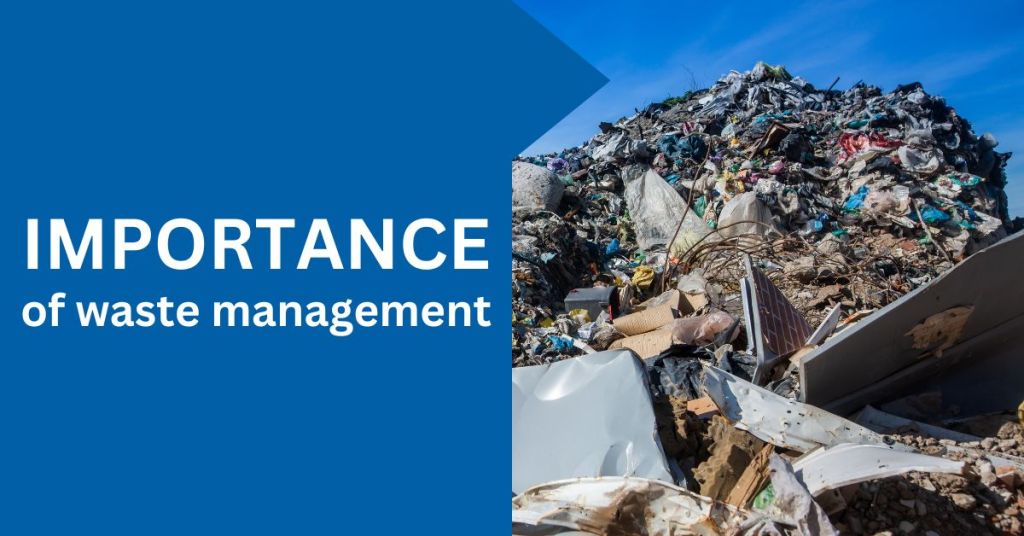
India’s waste management challenge has expanded rapidly over the past two decades. Urban growth, changing lifestyles, and the increasing use of packaged goods have led to a sharp rise in municipal waste generation.
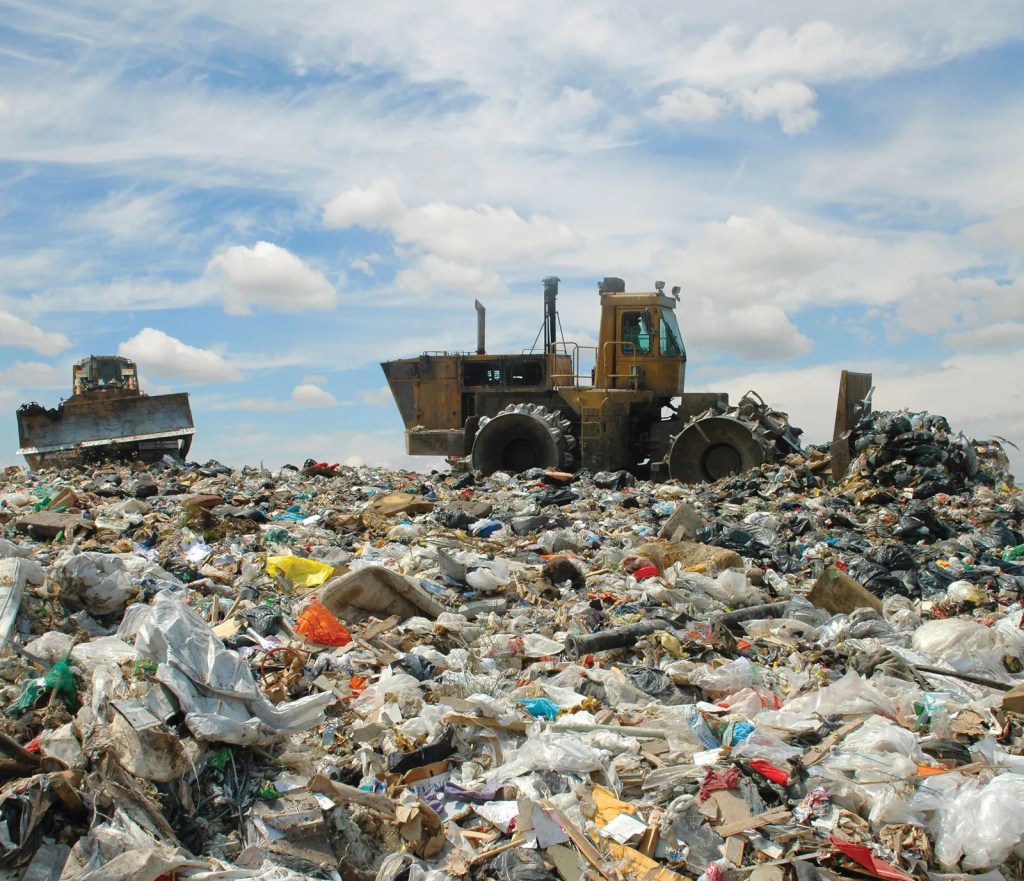
While waste collection coverage has improved in many cities, the ability to process and recycle waste efficiently remains uneven. Large landfill sites across major metropolitan regions have become visible reminders of the challenges associated with landfill-dependent waste systems.
Decomposing waste in landfills releases methane, a greenhouse gas significantly more potent than carbon dioxide. According to the UN Environment Programme’s Global Methane Assessment, improved waste management practices represent one of the most effective strategies for reducing methane emissions from urban waste.
Another major issue has been low levels of waste segregation at the source. When waste is not properly separated at the point of generation, recyclable materials become contaminated and cannot be effectively recovered. This often results in recyclable resources being lost to landfills.
Recognising these challenges, policymakers have increasingly focused on strengthening waste segregation systems, improving recycling infrastructure, and encouraging decentralised waste processing across cities.
What Are the Solid Waste Management Rules 2026?

The term “Solid Waste Management Rules 2026” reflects the next stage in India’s waste governance evolution. Rather than introducing an entirely new regulation, the framework represents a strengthening of the principles introduced in the 2016 rules, with greater emphasis on implementation and accountability.
Several policy priorities are shaping India’s waste management systems toward 2026:
- stronger enforcement of waste segregation at source
- increased responsibility for bulk waste generators
- expansion of decentralised waste processing systems
- improved recycling and material recovery infrastructure
- reduction of landfill dependency
These priorities align with broader national programmes such as the Swachh Bharat Mission, which has played a significant role in improving sanitation infrastructure and encouraging waste segregation practices across Indian cities.
The evolving framework aims to move India toward a circular waste management model, where materials are recovered and reused instead of being discarded in landfills.
The Four Waste Segregation Categories Under the 2026 Framework

One of the most important developments shaping waste management practices toward 2026 is the strengthening of waste segregation systems.
Waste generators are increasingly expected to separate waste into four primary categories:
1. Wet Waste (Organic Waste)
Wet waste includes biodegradable materials such as food scraps, vegetable peels, garden waste, and other organic matter.
This type of waste can be processed through composting or biomethanation, converting organic waste into compost or biogas instead of sending it to landfills.
2. Dry Waste (Recyclables)
Dry waste includes recyclable materials such as paper, cardboard, plastics, metals, and glass.
Proper segregation of dry waste helps recycling facilities recover valuable materials and reduce the need for virgin resource extraction.
3. Domestic Hazardous Waste
Domestic hazardous waste includes items such as batteries, chemicals, paints, cleaning agents, and electronic waste that require specialised handling and disposal.
Proper segregation ensures that hazardous materials do not contaminate recyclable waste streams or create environmental risks.
4. Sanitary Waste
Sanitary waste includes materials such as diapers, sanitary pads, and medical hygiene products. These materials require separate collection and treatment due to their potential health and environmental impacts.
Separating sanitary waste helps improve waste treatment processes and prevents contamination of recyclable materials.
Strengthening segregation into these four categories improves the efficiency of recycling systems, composting operations, and waste treatment facilities, making waste management systems more sustainable and effective.
Key Principles of the Evolving Waste Management Framework
India’s waste management policies increasingly emphasise segregation, decentralised processing, and resource recovery.
Decentralised Waste Processing
Decentralised waste processing systems treat waste closer to where it is generated. Examples include community composting units, biomethanation plants, and local recycling centres.
These systems reduce transportation costs, improve recycling efficiency, and reduce dependence on landfill sites.
Responsibility of Bulk Waste Generators
Large institutions such as corporate offices, hotels, residential complexes, hospitals, and educational campuses are increasingly expected to manage waste responsibly.
Bulk waste generators are encouraged to segregate waste and process organic waste within their premises whenever possible.
Reducing Landfill Dependency
Landfills represent the least desirable waste management option due to environmental and health risks. The evolving regulatory framework aims to reduce landfill use by encouraging recycling, composting, and material recovery.
Global research such as the World Bank’s What a Waste 2.0 report highlights how improved segregation and recycling systems can significantly reduce landfill dependency in rapidly urbanising regions.
What the Rules Mean for Businesses and Institutions

For organisations, the strengthening of waste management regulations means that waste can no longer be treated as a purely municipal responsibility.
Businesses and institutions must increasingly ensure that waste generated within their premises is properly segregated, stored, and handed over to authorised waste processors.
Many organisations are also implementing waste audits to understand the composition and volume of waste generated across their operations. Waste audits help identify opportunities for waste reduction, recycling partnerships, and improved resource efficiency.
Waste management is also becoming an important component of environmental, social, and governance (ESG) strategies. Companies that improve waste practices can reduce environmental impact while strengthening sustainability reporting and compliance frameworks.
Waste Management as a Sustainability Opportunity
While waste regulations are often viewed through the lens of compliance, they also present an opportunity for organisations to rethink how materials flow through their operations.
The concept of the circular economy, promoted by organisations such as the Ellen MacArthur Foundation, encourages businesses and cities to keep materials in use for as long as possible through reuse, recycling, and resource recovery.
In practical terms, this means treating waste not simply as a disposal challenge but as a valuable resource stream.
Organic waste can be converted into compost or bioenergy, recyclable materials can re-enter manufacturing supply chains, and improved segregation systems can significantly increase material recovery rates.
Adopting circular waste management practices can help organisations reduce environmental impact while supporting broader sustainability goals such as climate mitigation, resource conservation, and sustainable urban development.
Looking Ahead

India’s evolving waste management framework reflects a broader shift toward segregation, decentralised processing, and circular resource use.
As cities continue to grow and waste generation increases, effective waste management will require collaboration between municipal authorities, businesses, institutions, waste workers, and citizens.
For organisations, understanding the direction of Solid Waste Management Rules 2026 is essential not only for compliance but also for aligning operations with the growing focus on sustainability and circular economy principles.
By strengthening segregation systems, improving recycling infrastructure, and encouraging responsible waste practices, India’s evolving waste governance framework has the potential to transform waste from an environmental burden into a valuable resource for sustainable development.
FAQs
1. What are the Solid Waste Management Rules 2026 in India?
The Solid Waste Management Rules 2026 refer to the evolving regulatory framework strengthening India’s waste governance system. Building on the Solid Waste Management Rules 2016, the framework emphasises stronger segregation at source, decentralised waste processing, and greater accountability for bulk waste generators and institutions.
2. What are the four types of waste segregation under the new framework?
Waste generators are increasingly expected to separate waste into four categories: wet waste (organic waste), dry waste (recyclables such as paper and plastics), domestic hazardous waste (batteries, chemicals, and paints), and sanitary waste (items such as diapers and sanitary pads).
3. Why is waste segregation important in solid waste management?
Waste segregation improves recycling efficiency and enables composting and safe disposal of hazardous materials. When waste is separated at the source, recyclable materials remain uncontaminated and can be processed more effectively.
4. Who are considered bulk waste generators under solid waste management rules?
Bulk waste generators include institutions and establishments that produce large quantities of waste, such as residential complexes, hotels, hospitals, educational institutions, commercial buildings, and event venues. These entities are required to manage waste responsibly through segregation and local processing where possible.
5. How do the Solid Waste Management Rules affect businesses?
Businesses must ensure proper waste segregation, partner with authorised waste recyclers, and follow municipal guidelines for responsible waste disposal. Many organisations also conduct waste audits to improve waste reduction and recycling practices.
6. What is decentralised waste management?
Decentralised waste management refers to processing waste close to where it is generated rather than transporting it to distant landfills. Examples include community composting facilities, biomethanation plants, and local recycling centres.
7. How do solid waste management rules help reduce landfill waste?
The rules encourage waste segregation, composting of organic waste, and recycling of dry waste. These practices help divert waste away from landfills and improve resource recovery.
8. What role do cities play in implementing waste management rules?
Municipal authorities are responsible for developing waste collection systems, establishing processing infrastructure, and ensuring that waste segregation and recycling policies are implemented across urban areas.
9. How does waste management relate to climate change?
Organic waste in landfills releases methane, a greenhouse gas that contributes to climate change. Improving waste segregation and composting systems can significantly reduce methane emissions.
10. Why is solid waste management important for sustainability?
Effective waste management reduces pollution, conserves natural resources, supports recycling systems, and helps cities transition toward circular economy models where materials are reused rather than discarded.
Related articles
RecoSolution – A story of inspiring young Eco-preneurs from India
Achint
July 10, 2022

Converting Cow dung into eco-friendly papers – the story of Gaukriti
missionsustainability
December 6, 2021
Ready to talk?
We work with individual initiatives, startups, and NGOs dedicated to forging a sustainable future with better design, marketing, technology & operations.