
- All articles
Sustainable Office Practices for Companies: A Practical Guide
By Ketul
Updated 05 March, 2026
10 min read

Contents
Main Menu
Sustainability is often discussed in terms of large scale industrial systems, global supply chains, and national climate policies. Yet a significant portion of environmental impact also comes from everyday operational decisions inside workplaces.
Offices consume energy, generate waste, use water, and influence employee behaviour in ways that collectively shape environmental outcomes. While a single office may seem small compared to industrial facilities, the cumulative impact of millions of workplaces worldwide is substantial.
For companies beginning their sustainability journey, offices are often the easiest place to start. Improvements in office operations are typically more visible, easier to implement, and capable of delivering measurable results quickly.
Adopting sustainable office practices does not require major structural change at the beginning. Many improvements involve rethinking how energy is used, how resources are consumed, and how workplace culture encourages responsible behaviour.
Why Sustainable Office Practices Matter

Commercial buildings are major contributors to global energy consumption and carbon emissions. According to the International Energy Agency, buildings account for nearly one third of global energy demand and a significant share of energy related carbon emissions.
Offices also influence patterns of consumption. Everything from printing habits to procurement decisions affects resource use and waste generation. Workplace culture often shapes employee behaviour beyond the office as well.
Improving sustainability within offices can therefore create benefits in several areas:
- Lower operational costs
- Reduced energy and material consumption
- Improved employee engagement
- Stronger alignment with corporate sustainability goals
For many companies, office practices provide a practical entry point into broader environmental responsibility.
1. Reduce Energy Consumption in the Workplace

Energy use is typically the largest environmental footprint of office operations. Lighting, air conditioning, heating, and electronic equipment all contribute to electricity consumption.
Improving energy efficiency is one of the most immediate steps companies can take. Measures may include switching to LED lighting, installing smart thermostats, and ensuring that computers and office equipment automatically power down when not in use.
Energy efficiency improvements can significantly reduce emissions and operating costs. Studies from the International Energy Agency’s Energy Efficiency Report show that efficiency measures remain among the fastest and most cost effective ways to reduce energy demand.
Even small behavioural changes, such as encouraging employees to turn off lights and devices when leaving meeting rooms, can contribute to measurable savings.
2. Reduce Paper Use and Move Toward Digital Workflows

Offices have traditionally relied heavily on paper for documentation, printing, and internal communication. While digital technologies have reduced paper use in many workplaces, unnecessary printing remains common.
Moving toward digital workflows helps reduce paper consumption, printing energy, and waste generation. Cloud based collaboration tools, digital document management systems, and electronic signatures make paperless operations increasingly feasible.
Paper production also carries environmental implications. According to the World Wildlife Fund, paper manufacturing contributes to deforestation, energy consumption, and water use in global supply chains.
Encouraging double sided printing, limiting unnecessary printouts, and transitioning to digital records can significantly reduce an office’s resource footprint.
3. Implement Waste Segregation and Recycling Systems

Waste management is another key area where offices can improve sustainability.
Workplaces generate a variety of waste streams including paper, plastic packaging, food waste, and electronic waste. Without proper segregation, recyclable materials often end up in landfills.
Introducing clearly labelled recycling stations within offices helps employees separate waste properly. Providing dedicated bins for paper, plastics, organic waste, and e-waste improves recycling efficiency.
The United Nations Environment Programme emphasises that improved waste sorting is a crucial step toward building circular economy systems where materials are reused rather than discarded.
Companies can also reduce waste generation by choosing reusable products such as refillable water bottles, reusable cutlery, and bulk supply systems.
4. Choose Sustainable Office Supplies

Procurement decisions strongly influence a company’s environmental footprint.
Office supplies such as paper, furniture, cleaning products, and packaging materials often involve resource extraction, manufacturing emissions, and transportation impacts. Choosing environmentally responsible alternatives can reduce these effects.
Examples include:
- Recycled paper products
- FSC certified wood furniture
- Non toxic cleaning supplies
- Refillable stationery products
Certification systems such as the Forest Stewardship Council help companies identify responsibly sourced wood and paper products that support sustainable forestry practices.
Sustainable procurement policies also signal that environmental responsibility extends beyond internal operations to supply chain decisions.
5. Encourage Sustainable Commuting

Employee commuting is another significant contributor to an organisation’s carbon footprint.
Encouraging sustainable commuting options can reduce emissions associated with daily travel. Companies may support this by offering incentives for public transportation, carpooling, cycling, or remote work arrangements where appropriate.
Urban transport emissions remain a major source of air pollution and greenhouse gases. Reports from the International Transport Forum highlight the importance of shifting toward lower emission mobility systems.
Flexible work arrangements and hybrid work models can also reduce the overall number of daily commuting trips.
6. Improve Water Efficiency
Water use is often overlooked in office sustainability strategies, yet it remains an important resource.
Simple measures such as installing low flow faucets, repairing leaks quickly, and using water efficient appliances can reduce consumption significantly. In larger office buildings, monitoring water use through metering systems can help identify areas where improvements are possible.
The United Nations Water Programme notes that efficient water management is becoming increasingly important as climate change alters rainfall patterns and water availability in many regions.
Reducing water waste helps ensure that businesses operate responsibly within local environmental constraints.
7. Build a Culture of Sustainability in the Workplace

Operational changes are important, but long term sustainability depends on workplace culture.
Employees who understand environmental goals are more likely to support initiatives such as reducing energy use, minimising waste, and adopting sustainable commuting habits.
Companies can encourage engagement by forming sustainability committees, organising awareness programs, or inviting employees to contribute ideas for improving workplace practices.
Research discussed by the World Economic Forum suggests that organisations integrating sustainability into everyday decision making are more successful in achieving environmental goals.
When sustainability becomes part of organisational culture, improvements tend to persist over time.
Sustainable Offices as a Starting Point
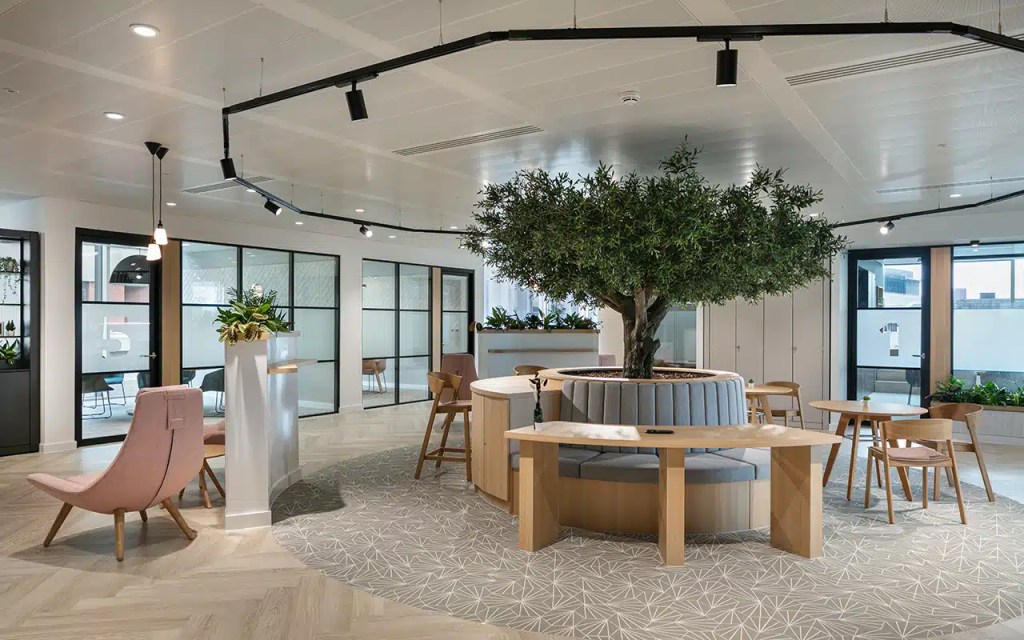
Creating a sustainable office does not require immediate transformation of every business process. Instead, it involves identifying practical improvements that reduce resource consumption and encourage responsible behaviour.
Energy efficiency, waste reduction, sustainable procurement, and employee engagement are all areas where offices can begin making progress.
While these changes may appear modest individually, their cumulative impact can be meaningful. More importantly, sustainable office practices help companies build the awareness, systems, and culture needed for broader sustainability initiatives.
For many organisations, the journey toward sustainability begins with everyday decisions made inside the workplace.
And those decisions can shape how businesses operate for years to come.
FAQs
1. What are sustainable office practices
Sustainable office practices are workplace policies and daily operational actions that reduce environmental impact. These include improving energy efficiency, reducing waste, conserving water, choosing sustainable office supplies, and encouraging responsible commuting.
2. Why are sustainable office practices important for companies
Sustainable office practices help companies lower operational costs, reduce carbon emissions, and demonstrate environmental responsibility. They also improve employee engagement and help businesses align with broader sustainability and ESG goals.
3. What is the easiest way for companies to start making their office more sustainable
Energy efficiency improvements are often the easiest starting point. Switching to LED lighting, reducing unnecessary electricity use, and optimising heating and cooling systems can deliver immediate environmental and financial benefits.
4. How can offices reduce waste effectively
Offices can reduce waste by implementing clear waste segregation systems, encouraging recycling, minimising single use products, and adopting digital workflows to reduce paper consumption.
5. What role does employee behaviour play in office sustainability
Employee behaviour is central to sustainable office operations. Everyday actions such as responsible printing, energy conservation, waste segregation, and sustainable commuting significantly influence the environmental footprint of a workplace.
6. How can companies encourage sustainable commuting for employees
Companies can promote sustainable commuting by offering incentives for public transport, supporting cycling facilities, encouraging carpooling, and allowing hybrid or remote work options where possible.
7. Can small offices adopt sustainable practices without large investments
Yes. Many sustainable office practices require minimal investment. Actions such as reducing paper use, improving waste management, and encouraging energy saving behaviours can significantly reduce environmental impact without major financial cost.
8. How do sustainable office practices support corporate sustainability goals
Office sustainability initiatives contribute to broader corporate sustainability goals by reducing energy consumption, lowering emissions, and promoting responsible resource use across everyday operations.
9. What are examples of sustainable office supplies
Examples include recycled paper, refillable stationery, energy efficient office equipment, FSC certified wood furniture, and non toxic cleaning products that minimise environmental harm.
10. How can companies measure the impact of sustainable office practices
Companies can measure progress by tracking indicators such as electricity consumption, water use, waste generation, recycling rates, and employee commuting emissions over time.
Related articles

From Concept to Reality: NeeRain’s Simple Solution to Water Scarcity
Himanshu Jangid
September 13, 2024

What is Business Design? A complete guide
Himanshu Jangid
January 30, 2025
Ready to talk?
We work with individual initiatives, startups, and NGOs dedicated to forging a sustainable future with better design, marketing, technology & operations.