
Sustainability is no longer a niche movement or a branding exercise. It is becoming a structural force shaping how economies grow, how capital is deployed, and how businesses are built.
According to the International Labour Organization, the transition to a greener economy could generate 24 million new jobs globally by 2030. At the same time, the World Economic Forum identifies climate action, clean energy, circular systems, and sustainable consumption as major drivers of long-term economic resilience.
Governments are tightening environmental regulations. Investors are integrating ESG frameworks into decision-making. Consumers increasingly expect transparency, low-carbon operations, and responsible sourcing. Sustainability is no longer optional — it is becoming foundational.
The green economy is expanding across sectors such as renewable energy, waste management, sustainable agriculture, circular design, and climate technology. This creates meaningful opportunities for entrepreneurs who want to build profitable ventures aligned with environmental responsibility.
As we move further into 2026, the most successful eco-friendly businesses will not simply reduce harm. They will:
Solve real environmental inefficiencies
Align with regulatory and policy trends
Use technology to improve resource efficiency
Measure and communicate impact transparently
This guide explores ten eco-friendly business ideas that are aligned with current market demand, financial viability, and measurable environmental benefit. These are not short-lived trends — they reflect where capital, policy, and consumer behaviour are heading.
If you’re looking to build a business that contributes to environmental resilience while remaining economically sustainable, these ideas provide a practical starting point.
1. SME Decarbonisation & Energy Efficiency Consulting
As climate regulations and ESG disclosure frameworks expand globally, small and medium-sized enterprises (SMEs) are under growing pressure to measure and reduce their environmental impact. Reporting standards influenced by the International Sustainability Standards Board are reshaping corporate accountability, and those expectations are flowing downstream into supply chains.
However, most SMEs lack internal sustainability teams. They need practical guidance to reduce energy costs, prepare emissions disclosures, and align with net-zero commitments increasingly referenced in global climate action efforts led by the United Nations Environment Programme.
What This Business Does
Carbon footprint assessments
Energy audits
Renewable transition planning
ESG reporting support
Waste and resource efficiency optimisation
Why It Works in 2026
Supply-chain emissions reporting requirements
Rising energy prices
Investor ESG scrutiny
Expanding regulatory frameworks
Prediction
The global energy consulting market is projected to grow from $18.65 billion in 2025 to $24.49 billion by 2030, at a CAGR of approximately 5.6%, according to Mordor Intelligence.
Environmental Impact
Direct emissions reductions
Reduced energy demand
Improved sustainability transparency
This is a high-margin, knowledge-driven business that aligns with structural climate trends.
2. Carbon Accounting & Impact Measurement Platform

As sustainability reporting becomes data-driven, businesses must quantify Scope 1, 2, and increasingly Scope 3 emissions. Carbon measurement is shifting from voluntary reporting to competitive necessity.
Climate tracking and emissions accounting frameworks are increasingly aligned with international energy transition pathways discussed by the International Energy Agency.
What This Business Does
Carbon tracking dashboards
ESG reporting software
Automated emissions calculators
Waste and water monitoring tools
Supplier emissions tracking systems
This can operate as SaaS, hybrid SaaS + consulting, or a managed service model.
Why It Works in 2026
Mandatory disclosure momentum
Corporate supply chain pressure
Investor climate risk analysis
Digital-first sustainability reporting
Prediction
The global carbon accounting software market was valued at $11.86 billion in 2024 and is projected to reach $67.58 billion by 2033, growing at a CAGR of approximately 22.1%, according to Grand View Research.
Environmental Impact
Enables measurable emissions reduction
Improves corporate accountability
Drives informed climate strategy
This is one of the fastest-growing segments of the climate economy.
3. Solar Installation & Distributed Renewable Energy Services
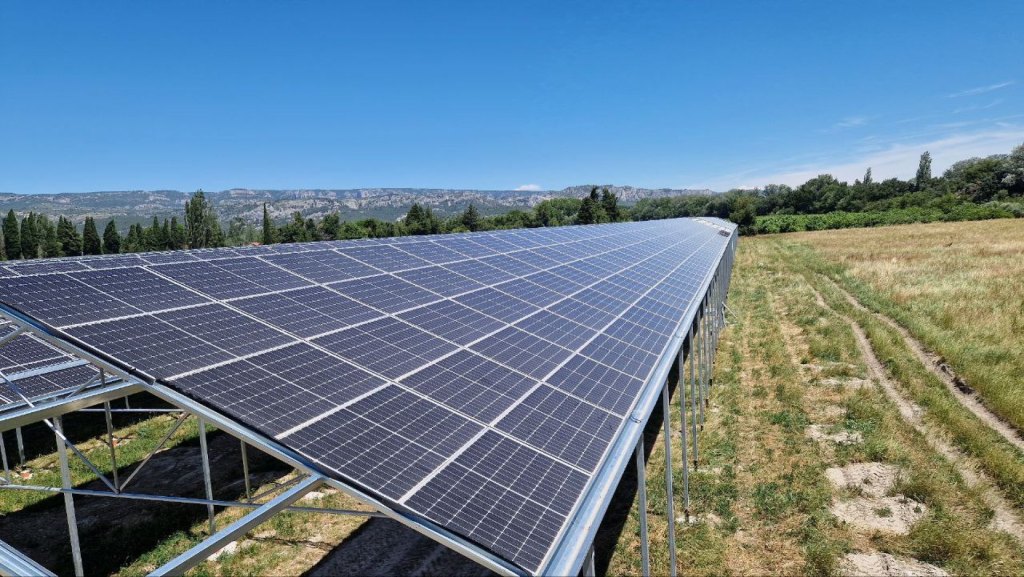
The renewable energy transition is accelerating globally. Solar power remains one of the most scalable clean energy solutions.
According to the International Renewable Energy Agency, renewable capacity must expand rapidly this decade to align with climate goals.
What This Business Does
Residential rooftop solar installations
Commercial solar solutions
Battery storage integration
Microgrid design
Energy advisory services
Why It Works in 2026
Falling solar installation costs
Government incentives and subsidies
Energy price volatility
Corporate clean energy targets
Prediction
Global renewable energy capacity is forecast to increase by approximately 4,600 GW by 2030, driven largely by solar PV expansion, according to the International Energy Agency.
Environmental Impact
Reduced fossil fuel dependence
Lower carbon emissions
Energy decentralisation
Solar remains one of the most policy-backed and capital-attractive green sectors.
4. Circular Fashion: Resale, Repair & Textile Recovery
The fashion industry generates significant waste and emissions. Circular business models extend product life and reduce material extraction.
Frameworks promoted by the Ellen MacArthur Foundation emphasise circular fashion as a key lever for reducing environmental impact.
What This Business Does
Second-hand resale marketplace
Clothing repair & alteration studio
Brand buy-back partnerships
Textile recycling collection
Why It Works in 2026
Consumer awareness of fast fashion waste
Growth of resale culture
Rising textile costs
Sustainability-focused brand repositioning
Prediction
The global secondhand apparel market is projected to reach $367 billion by 2029, according to the ThredUp Resale Report.
Environmental Impact
Reduced textile landfill waste
Lower demand for virgin fibre production
Extended garment lifecycle
Circular fashion is transitioning from niche to mainstream.
5. Organic Waste Collection & Composting Enterprise
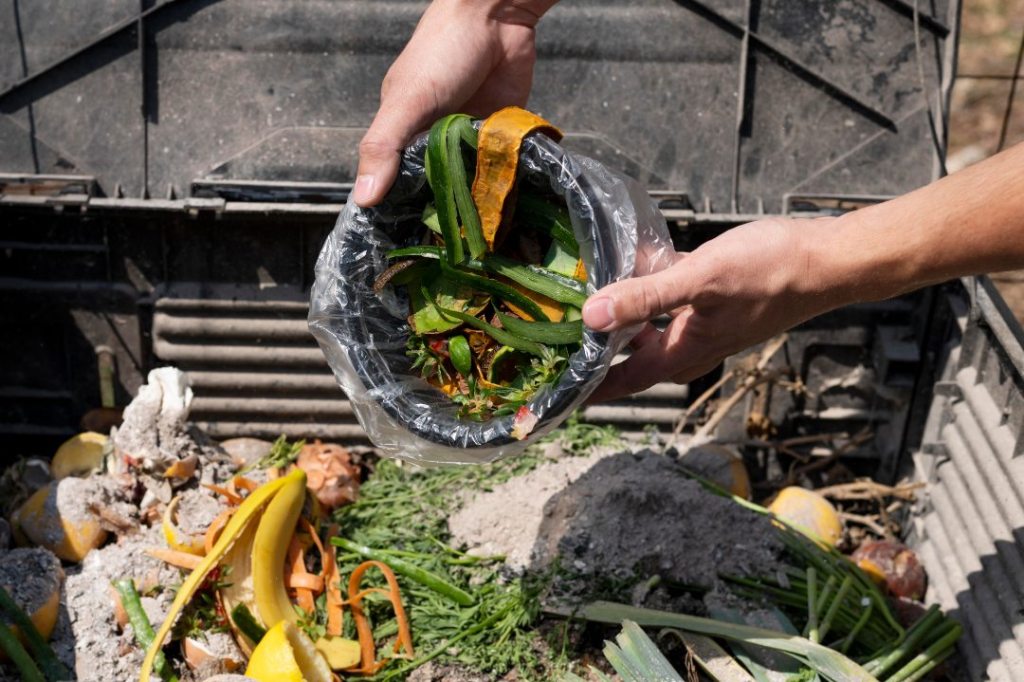
Organic waste in landfills produces methane, a potent greenhouse gas. Diverting organic waste through composting significantly reduces emissions.
Waste reduction remains central to sustainability strategies discussed by the United Nations Environment Programme.
What This Business Does
Residential organic waste pickup
Commercial food waste diversion
Compost production and sale
Partnerships with municipalities
Why It Works in 2026
Landfill restrictions
Demand for organic fertilisers
Urban sustainability mandates
Agricultural soil health awareness
Prediction
The global compost market is projected to grow steadily, with continued expansion highlighted in global market analyses by Research and Markets.
Additionally, the broader organic waste management market is projected to grow from $360.82 billion in 2025 to $499.96 billion by 2030, at a CAGR of approximately 6.74%, according to Mordor Intelligence.
Environmental Impact
Methane reduction
Soil regeneration
Reduced chemical fertiliser use
This model combines climate mitigation with circular resource recovery.
6. Sustainable Packaging Solutions Business
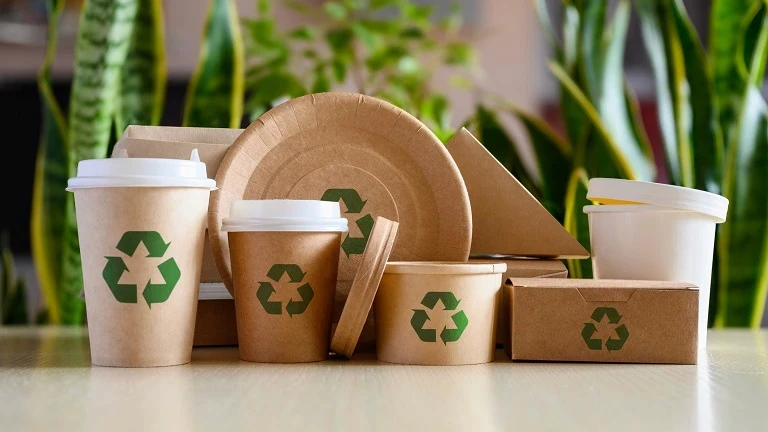
Plastic regulation and consumer pressure are accelerating the shift toward sustainable packaging. Governments worldwide are tightening rules on single-use plastics, and brands are actively seeking compostable, recyclable, and reusable alternatives.
Circular packaging systems are increasingly highlighted in sustainability discussions led by the World Economic Forum, particularly in the context of reducing marine plastic pollution and improving material recovery rates.
What This Business Does
Compostable and biodegradable packaging supply
Recycled-material packaging solutions
Packaging redesign consulting for SMEs
Reusable shipping systems for e-commerce
B2B partnerships with food and D2C brands
Why It Works in 2026
E-commerce growth continues globally
Plastic bans and extended producer responsibility laws
Consumer scrutiny of packaging waste
Brand sustainability commitments
Prediction
The global sustainable packaging market is projected to grow from $272.93 billion in 2023 to $448.53 billion by 2030, at a CAGR of approximately 7.6%, according to Grand View Research.
Environmental Impact
Reduced plastic waste
Lower marine pollution
Improved circular material flows
Packaging is one of the most visible sustainability touchpoints for consumers, making this both commercially and environmentally impactful.
7. Climate-Smart Landscaping & Urban Biodiversity Services

Cities are facing rising heat stress, water scarcity, and biodiversity loss. Climate-smart landscaping integrates ecological principles into urban design.
Ecosystem-based adaptation strategies are increasingly discussed in global climate frameworks supported by the United Nations Environment Programme, reinforcing the importance of nature-based solutions.
What This Business Does
Native and drought-resistant planting
Rainwater harvesting systems
Carbon-sequestering soil management
Urban tree plantation programs
Biodiversity enhancement for corporate campuses
Why It Works in 2026
Municipal climate adaptation funding
Rising urban heat island concerns
Corporate sustainability campus programs
Demand for low-water landscaping
Prediction
The global landscaping services market is projected to grow from $330.58 billion in 2024 to $484.79 billion by 2030, at a CAGR of approximately 6.7%, according to Grand View Research.
Environmental Impact
Increased biodiversity
Reduced water usage
Carbon sequestration
Improved soil health
This model blends climate mitigation with adaptation.
8. Green Building Retrofit & Energy Upgrade Services
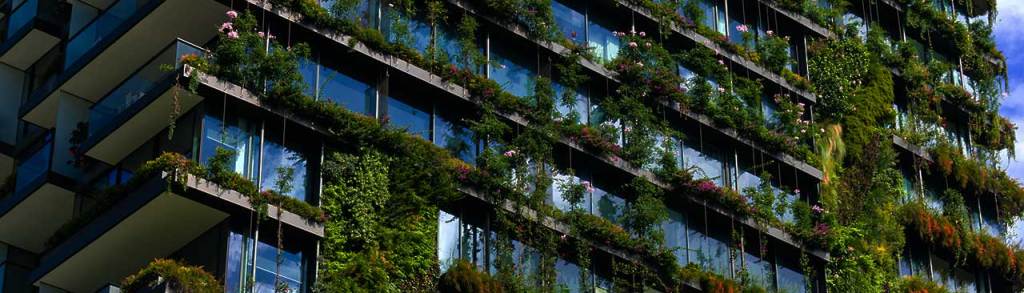
Buildings account for a substantial share of global energy consumption and emissions. Retrofitting existing buildings is widely recognised as one of the fastest pathways to emissions reduction.
Energy efficiency pathways promoted by the International Energy Agency emphasise building retrofits as a critical climate lever.
What This Business Does
Insulation upgrades
LED lighting conversions
HVAC optimisation
Smart energy management systems
Energy performance audits
Why It Works in 2026
Rising energy prices
Stricter building efficiency codes
Green finance incentives
Corporate sustainability mandates
Prediction
The global energy retrofit market is expected to reach $202.61 billion in 2025 and grow to $278.77 billion by 2030, at a CAGR of approximately 6.59%, according to Mordor Intelligence.
Environmental Impact
Lower building emissions
Reduced energy demand
Increased energy resilience
This is a capital-intensive but highly scalable sector.
9. Sustainability-Focused Digital Learning & Certification Platform

As the green economy expands, workforce reskilling becomes essential. Climate literacy, ESG knowledge, and sustainability operations training are increasingly in demand.
The transition to a green economy, as discussed by the International Labour Organization, reinforces the need for green skill development.
What This Business Does
Online sustainability certification programs
ESG compliance training
Carbon accounting courses
Corporate sustainability workshops
Green entrepreneurship bootcamps
Why It Works in 2026
Global remote learning adoption
Corporate sustainability reporting needs
Expanding green job market
Lower operating costs compared to physical training
Prediction
The global e-learning services market was valued at $299.67 billion in 2024 and is projected to reach $842.64 billion by 2030, growing at a CAGR of approximately 19%, according to Grand View Research.
Environmental Impact
Reduced travel emissions
Increased climate literacy
Workforce capacity building
Digital learning has strong scalability and a low physical footprint.
10. Sustainable Event Design & Zero-Waste Event Management
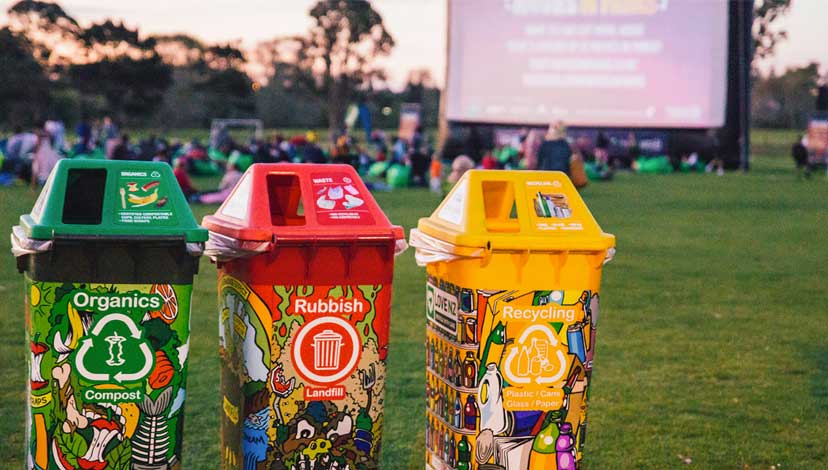
Events generate significant waste and emissions, from catering and transportation to materials and energy use. As corporate ESG commitments expand, events are increasingly being evaluated for environmental footprint.
Sustainability integration in business practices continues to be emphasised in global policy discussions led by the World Economic Forum.
What This Business Does
Zero-waste event planning
Local and sustainable sourcing
Digital invitation systems
Carbon footprint calculation
Renewable-powered venue coordination
Why It Works in 2026
Corporate ESG accountability
Consumer preference for responsible brands
Measurable sustainability reporting needs
Prediction
The global event management market is projected to grow from $1.57 trillion in 2025 to $3.4 trillion by 2033, at a CAGR of approximately 10.1%, according to SkyQuest.
Additionally, the event management software market is expected to grow from $8.40 billion in 2024 to $17.33 billion by 2030, at a CAGR of approximately 13.2%, according to Grand View Research.
Environmental Impact
Waste reduction
Lower event emissions
Increased behavioural awareness
Sustainable events combine branding, impact, and measurable reporting.
Financial Implications of Eco-Friendly Startups
Disclaimer: The data provided below is a general estimate based on industry trends and averages. Actual figures can vary significantly depending on location, scale of operations, and economic conditions. It’s crucial to conduct thorough market research and financial analysis for each specific business idea.
Eco-Friendly Business Idea | Estimated Startup Cost | Revenue Model | Scalability | Funding Options |
SME Decarbonisation Consulting | $15,000 – $75,000 | Audit fees + Retainers + Implementation commissions | Medium–High | Self-funded, ESG-focused angel investors, consulting partnerships |
Carbon Accounting Platform | $50,000 – $250,000 | SaaS subscriptions + Setup fees | High (tech scalable) | Venture capital, climate-tech funds, accelerators |
Solar Installation Services | $75,000 – $500,000 | Installation margin + Maintenance contracts | High (regional expansion) | Bank loans, green finance schemes, government subsidies |
Circular Fashion (Resale & Repair) | $20,000 – $120,000 | Product margin + Repair services + Marketplace commission | Medium | Self-funded, resale partnerships, sustainable brand collaborations |
Composting & Organic Waste | $50,000 – $200,000 | Subscription pickups + Compost sales | Medium | Municipal grants, environmental funds, waste partnerships |
Sustainable Packaging Solutions | $75,000 – $300,000 | Product margin + B2B contracts | High | Impact investors, packaging partnerships, climate funds |
Climate-Smart Landscaping | $30,000 – $150,000 | Project contracts + Maintenance retainers | Medium | Equipment leasing, municipal contracts, sustainability grants |
Green Building Retrofit Services | $100,000 – $400,000 | Retrofit contracts + Energy savings models | High | Green finance, ESCO partnerships, government incentives |
Sustainability Digital Learning | $25,000 – $150,000 | Course fees + Corporate training contracts | High (global reach) | Self-funded, EdTech investors, partnerships |
Sustainable Event Management | $15,000 – $75,000 | Planning fees + Vendor margins + Sustainability add-ons | Medium | Self-funded, partnerships, CSR contracts |
Measuring Environmental Impact: From Intention to Accountability
Building an eco-friendly business is no longer about good intentions alone. In 2026, credibility depends on measurable impact.
Effective environmental measurement typically includes:
Carbon footprint analysis (Scope 1, 2, and where relevant Scope 3 emissions)
Energy consumption monitoring
Water usage tracking
Waste diversion and recycling audits
Supply chain emissions mapping
International standards and reporting frameworks increasingly shape how impact is measured. Sustainability reporting standards influenced by the International Sustainability Standards Board are pushing businesses toward transparent and comparable disclosures.
Similarly, global climate tracking and emissions accounting methodologies are supported by data frameworks aligned with the International Energy Agency, reinforcing the importance of consistent measurement.
Certifications & Frameworks
While certifications are not mandatory for every startup, they can provide structure and credibility.
Common frameworks include:
B Lab (B Corp Certification) — Focused on governance, environmental and social performance
U.S. Green Building Council (LEED Certification) — Relevant for green buildings and infrastructure
International Organization for Standardization (ISO 14001) — Environmental management systems
These frameworks provide structured methodologies for monitoring, improving, and communicating environmental performance.
In today’s market, measurable sustainability is more powerful than claimed sustainability.
Final Thoughts
Eco-friendly business ideas are no longer fringe concepts or lifestyle ventures. They are increasingly aligned with economic growth, regulatory evolution, and long-term resilience.
The ideas explored in this guide reflect broader structural shifts:
Energy transition
Circular resource systems
Carbon accountability
Sustainable consumption
Climate adaptation
As we move deeper into 2026, sustainability will continue to move from optional differentiation to operational necessity. Entrepreneurs who build businesses aligned with measurable environmental impact, regulatory direction, and market demand are positioning themselves not just for relevance — but for durability.
The opportunity is not simply to start a “green business.”
It is to build enterprises that are economically viable, environmentally accountable, and structurally aligned with the future of the global economy.
The shift is already underway.
The question is not whether the green economy will grow — it is who will build within it.
FAQs
1. What is the most profitable eco-friendly business in 2026?
High-growth eco-friendly businesses in 2026 include carbon accounting platforms, renewable energy services, sustainable packaging solutions, and energy retrofit services. These sectors are supported by regulatory momentum, investor interest, and long-term climate transition policies.
2. Are eco-friendly businesses really profitable?
Yes. Many eco-friendly businesses are aligned with structural economic shifts such as energy transition, circular economy models, and ESG reporting requirements. Profitability depends on execution, market demand, and operational efficiency — but sustainability-driven sectors are expanding rapidly.
3. How much does it cost to start an eco-friendly business?
Startup costs vary widely. Consulting and digital sustainability platforms can start under $25,000, while solar installation or retrofit services may require $75,000–$500,000 depending on scale. Service-based models typically require lower capital investment than product-based businesses.
4. What are some low-investment eco-friendly business ideas?
Low-investment options include sustainability consulting, digital learning platforms, circular fashion resale, repair services, and sustainable event planning. These models rely more on expertise and networks than heavy infrastructure.
5. How do eco-friendly businesses measure environmental impact?
Environmental impact is commonly measured through carbon footprint analysis, energy consumption monitoring, water usage tracking, and waste diversion metrics. Frameworks such as ISO 14001, B Corp certification, and emerging sustainability reporting standards help structure this process.
6. Why is sustainability important for small businesses?
Sustainability helps small businesses reduce operational costs, attract environmentally conscious customers, comply with supply chain requirements, and improve long-term resilience. Increasingly, larger corporations require suppliers to disclose emissions data.
7. What industries are growing fastest in the green economy?
Renewable energy, carbon accounting software, sustainable packaging, energy retrofits, circular fashion, and climate adaptation services are among the fastest-growing green sectors heading into 2026.
8. Can eco-friendly businesses attract funding?
Yes. Climate-tech funds, ESG investors, green finance schemes, government sustainability grants, and impact investors actively support businesses aligned with environmental transition goals.
9. What is the difference between a green business and a sustainable business?
A green business typically focuses on reducing environmental harm. A sustainable business goes further by integrating environmental, social, and governance (ESG) considerations into long-term strategy, operations, and impact measurement.
10. Is the green economy expected to grow in the coming years?
Yes. Global renewable energy expansion, sustainability regulation, ESG investment flows, and climate transition frameworks indicate sustained growth in the green economy through 2030 and beyond.

Other articles



We work with individuals, startups, and NGOs dedicated to forging a sustainable future. Tell us about your mission.