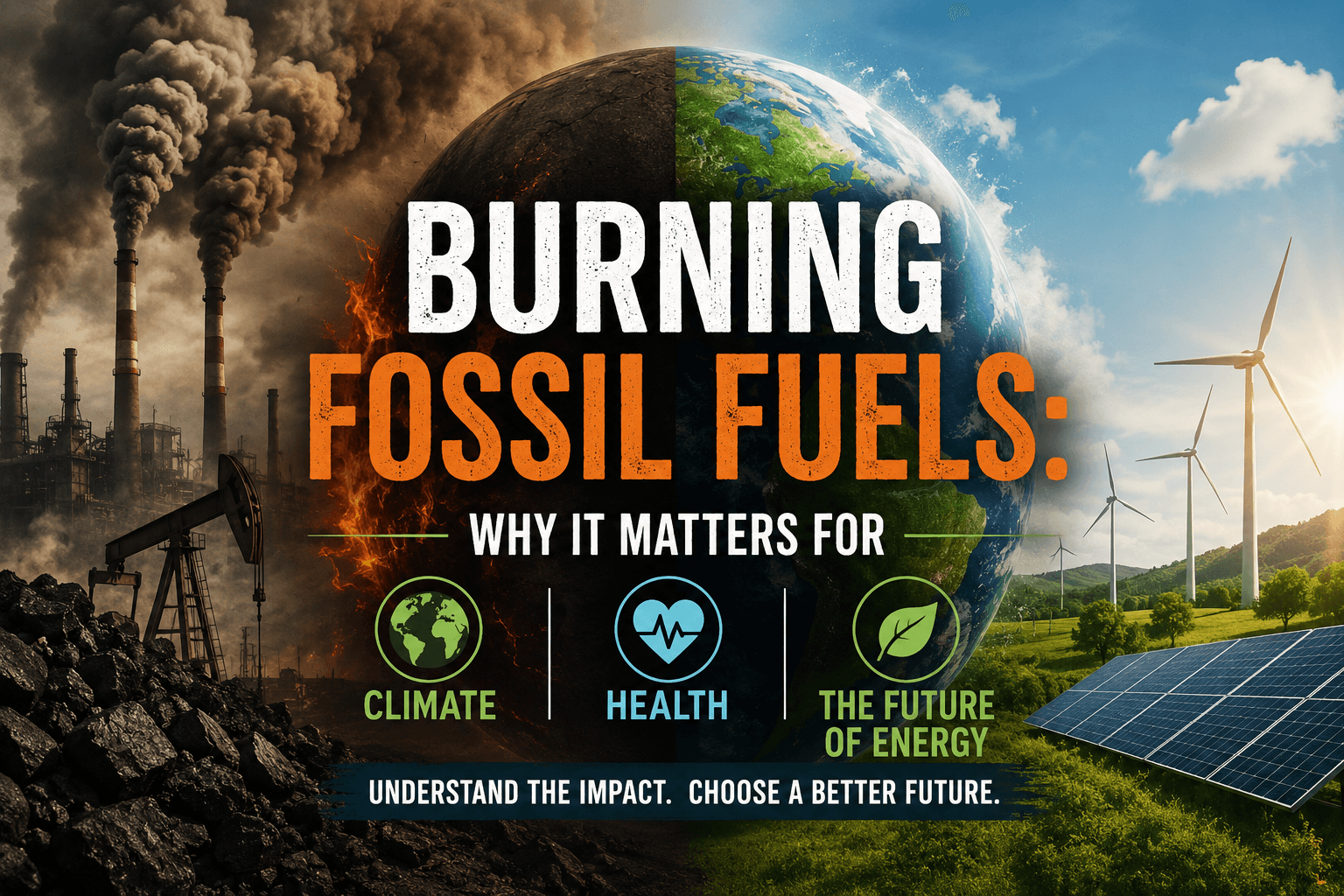
Introduction
Every time a car runs on petrol, a coal power plant generates electricity, or a factory uses natural gas for heat, fossil fuels are being burned.
For more than a century, fossil fuels have powered industrial growth, transport, electricity, manufacturing, and modern lifestyles. Coal, oil, and natural gas have enabled economies to grow at extraordinary speed. But the same energy system that helped build the modern world has also become one of the biggest drivers of climate change and air pollution.
The issue is not simply that fossil fuels are used. The issue is what happens when they are burned.
Burning fossil fuels releases carbon dioxide and other pollutants into the atmosphere. These emissions trap heat, degrade air quality, affect human health, and increase the risks associated with climate change. According to the International Energy Agency, global energy-related carbon dioxide emissions reached a record high of 37.4 billion tonnes in 2023.
Understanding fossil fuel combustion is therefore essential to understanding the climate crisis, public health risks, and the future of energy transition.
What Are Fossil Fuels?
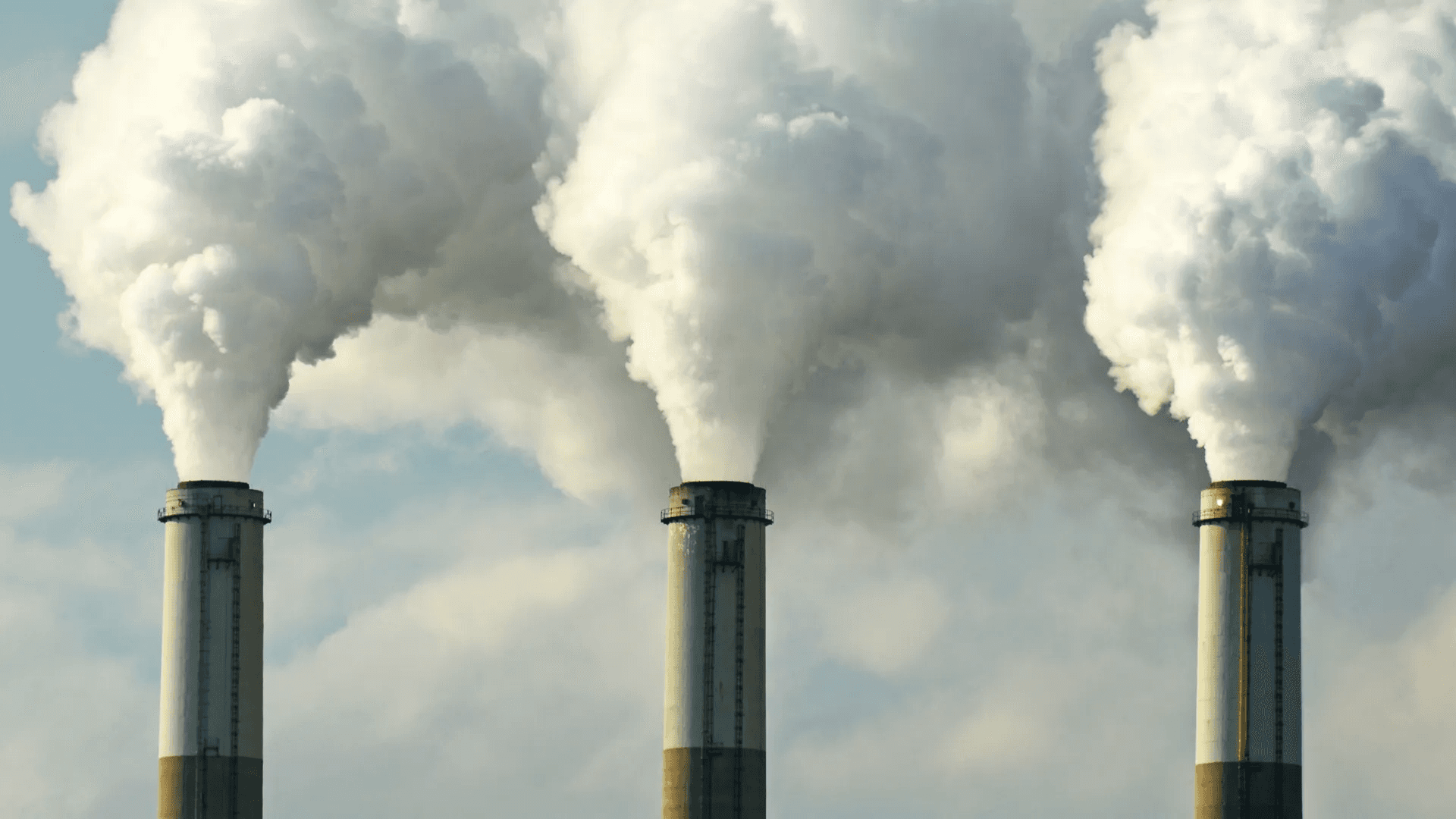
Fossil fuels are energy sources formed from the remains of ancient plants and organisms over millions of years. Over time, heat and pressure transformed this organic matter into coal, oil, and natural gas.
Coal is widely used for electricity generation and industrial processes. Oil is refined into fuels such as petrol, diesel, aviation fuel, and other petroleum products. Natural gas is used for electricity, heating, cooking, and industrial energy.
The U.S. Energy Information Administration explains that fossil fuels are called “fossil” fuels because they were formed from buried organic material over geological time.
These fuels are energy-dense, easy to transport, and historically inexpensive compared to many alternatives. This is why they became deeply embedded in global energy systems.
Why Do We Burn Fossil Fuels?
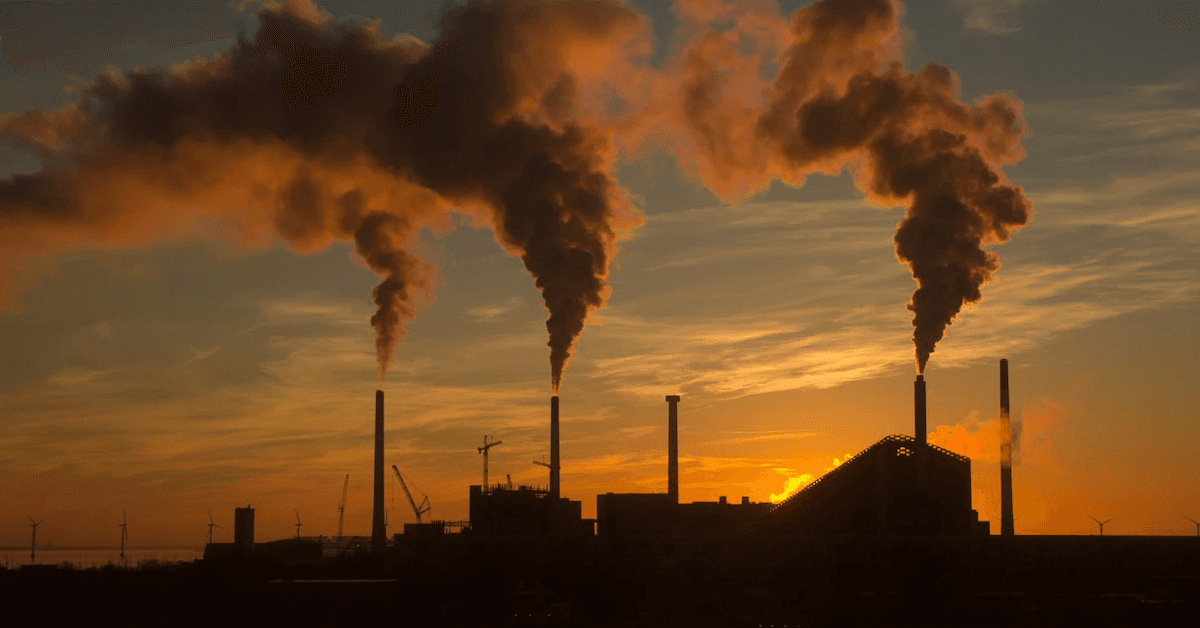
Fossil fuels are burned because they release large amounts of energy. That energy is used to generate electricity, move vehicles, operate factories, heat buildings, and produce materials.
In electricity systems, coal and natural gas are burned in power plants to produce steam or drive turbines. In transport, petrol, diesel, and aviation fuel are burned in engines to produce motion. In industries such as steel, cement, and chemicals, fossil fuels provide the high-temperature heat required for production.
This dependence is not accidental. Modern infrastructure was built around fossil fuel energy because it was available, scalable, and reliable.
That is also why moving away from fossil fuels is difficult. It is not just about replacing one fuel with another. It requires changing energy systems, industrial processes, transport networks, buildings, and supply chains.
What Happens When Fossil Fuels Burn?
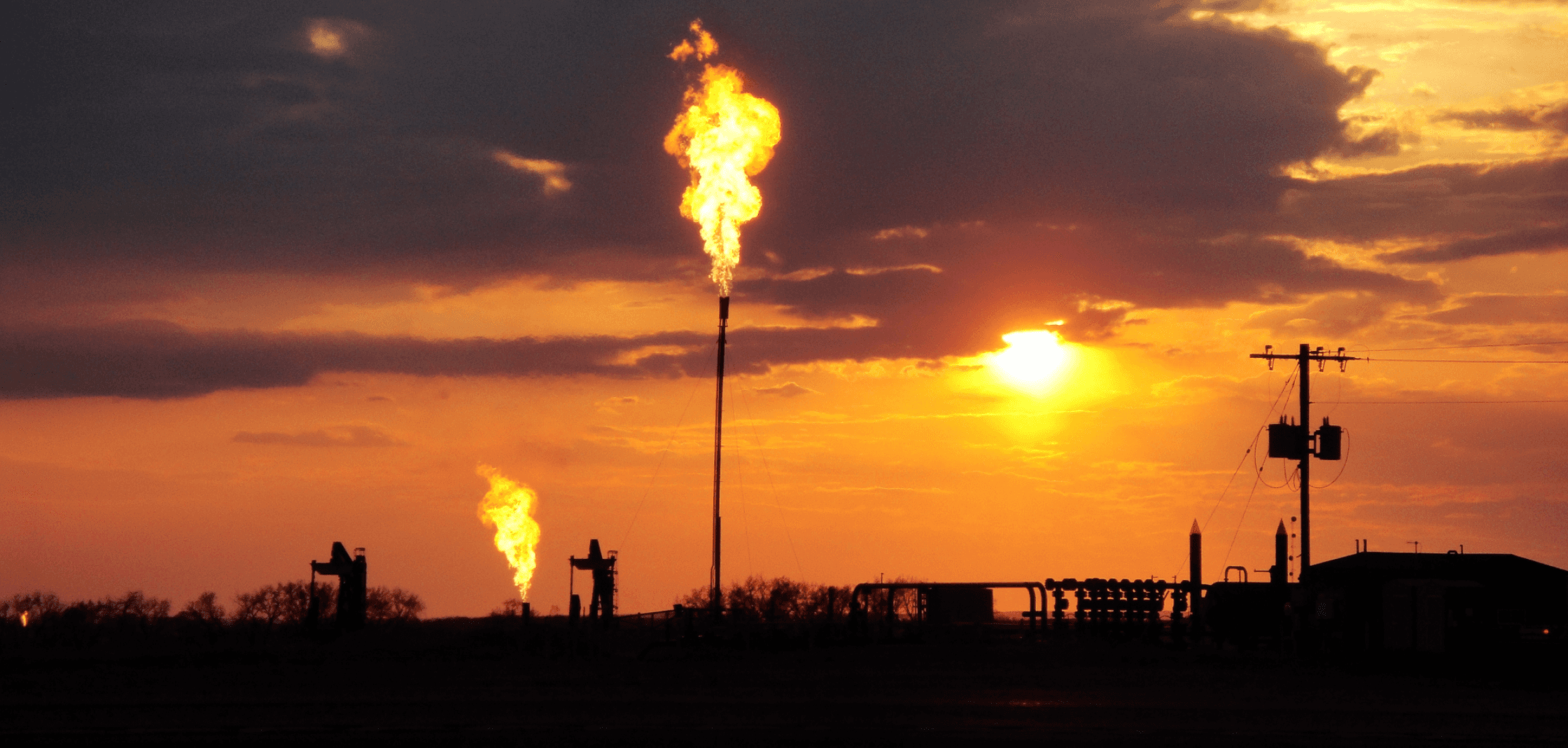
When fossil fuels burn, they react with oxygen in the air and release energy. This process is known as combustion.
The problem is that fossil fuels contain carbon that was stored underground for millions of years. When coal, oil, or natural gas is burned, that carbon combines with oxygen and becomes carbon dioxide. Once released, carbon dioxide accumulates in the atmosphere and contributes to global warming.
Combustion also releases other pollutants. These can include nitrogen oxides, sulfur dioxide, particulate matter, and carbon monoxide. The type and amount of pollution depends on the fuel, technology, and pollution control systems used.
This is why fossil fuel combustion affects both climate and air quality. Carbon dioxide drives long-term warming, while pollutants from combustion can directly harm human health.
The Climate Impact of Burning Fossil Fuels
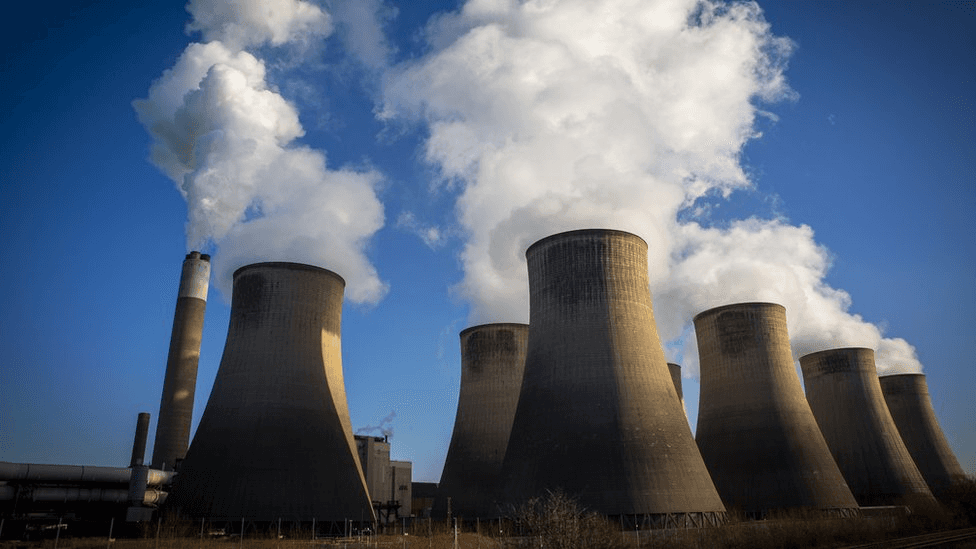
The climate impact of fossil fuels begins with greenhouse gases.
Carbon dioxide and other greenhouse gases trap heat in the atmosphere. As their concentration rises, more heat is retained, leading to global warming and changes in climate systems.
The Intergovernmental Panel on Climate Change has made clear that human-caused greenhouse gas emissions are the main driver of observed global warming. Fossil fuel combustion is one of the largest sources of these emissions.
The consequences are visible across the world. Rising temperatures increase the frequency and intensity of heatwaves. Warmer air holds more moisture, which can intensify heavy rainfall events. Changing climate patterns affect agriculture, water availability, ecosystems, and coastal areas.
This is why fossil fuels are central to climate discussions. The transition to a low-carbon future depends heavily on reducing emissions from energy, transport, industry, and buildings.
The Health Impact of Burning Fossil Fuels
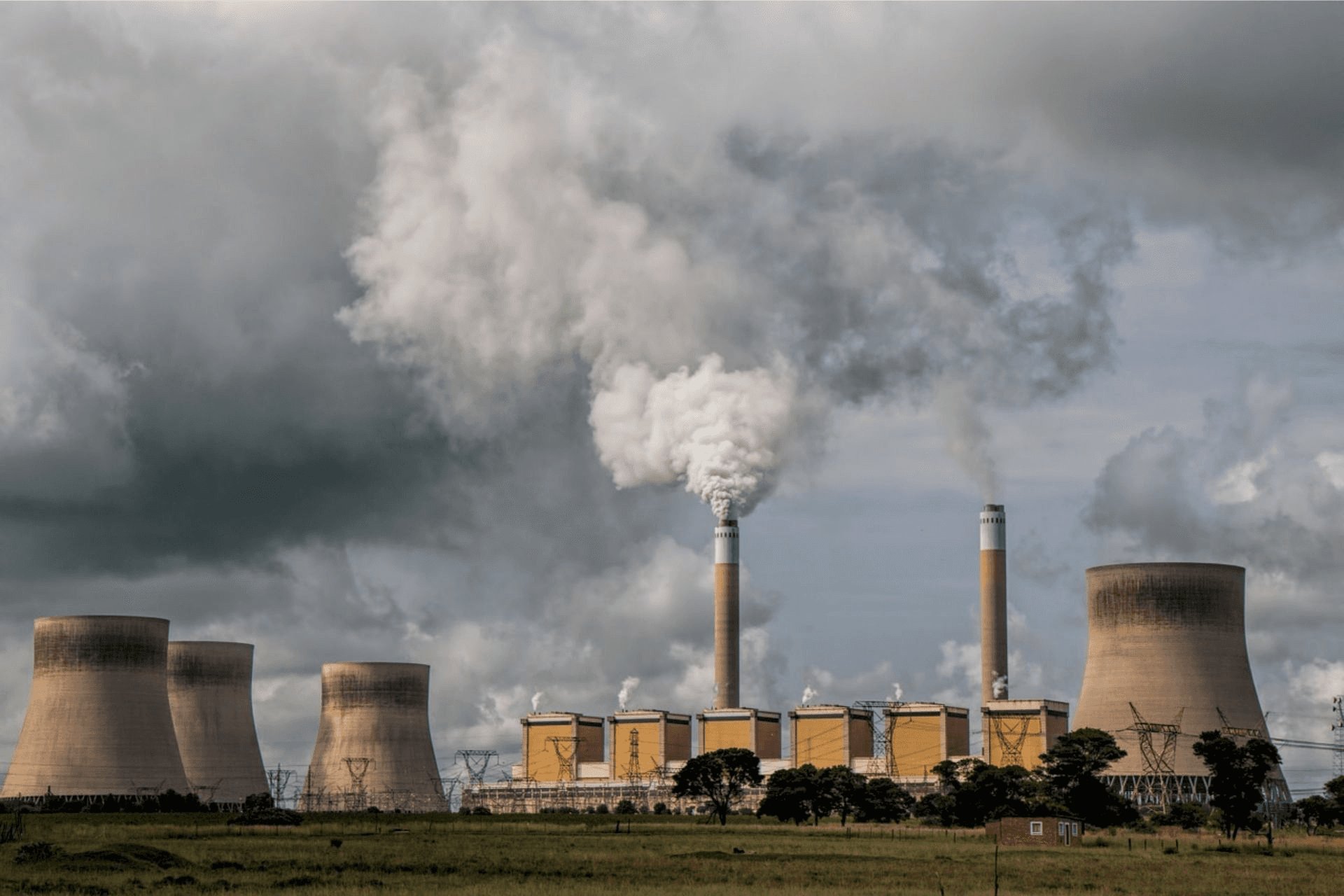
The impacts of fossil fuel combustion are not limited to climate change. They also affect the air people breathe every day.
Burning coal, oil, diesel, petrol, and gas releases pollutants that contribute to outdoor air pollution. These pollutants can affect the lungs, heart, and overall health. Fine particulate matter is especially concerning because it can enter deep into the lungs and bloodstream.
According to the World Health Organization, ambient outdoor air pollution was estimated to cause 4.2 million premature deaths worldwide in 2019. The WHO also notes that air pollution is linked to stroke, heart disease, lung cancer, and respiratory diseases.
This makes fossil fuel combustion both an environmental and public health issue.
In cities, transport emissions contribute to poor air quality. In industrial regions, coal and heavy fuel use can worsen local pollution. In areas where fossil fuels are used for cooking, heating, or backup power, exposure risks may be even more direct.
Cleaner energy systems therefore do more than reduce emissions. They can also improve public health.
Which Sectors Burn Fossil Fuels?
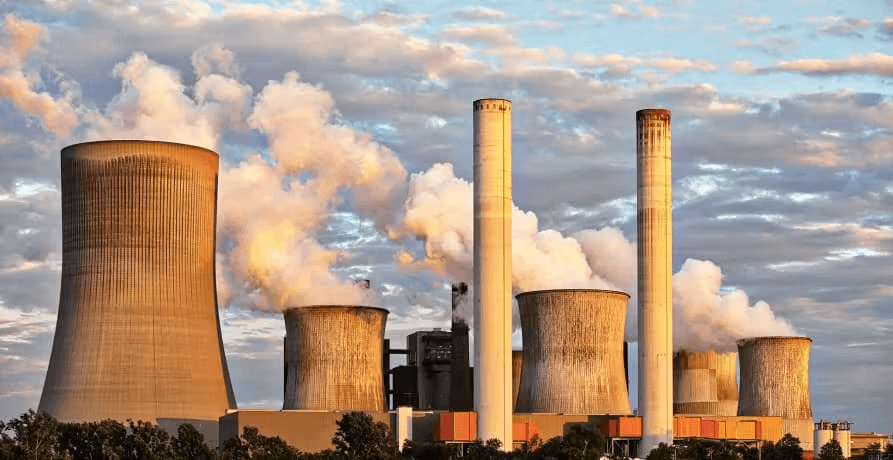
Fossil fuels are used across many sectors, which is why reducing dependence on them requires a system-wide transition.
Sector | Examples | Why Fossil Fuels Are Used |
Electricity | Coal and gas power plants | Reliable large-scale power generation |
Transport | Cars, trucks, ships, aviation | High energy density and existing infrastructure |
Industry | Steel, cement, chemicals | High-temperature heat and process energy |
Buildings | Heating, cooking, backup power | Existing appliances and fuel systems |
Agriculture and supply chains | Machinery, irrigation, transport | Fuel for operations and distribution |
This table shows why fossil fuel use is not isolated to one part of the economy. It is spread across systems that support daily life and economic activity.
Why Is It Difficult to Stop Burning Fossil Fuels?
The world cannot simply switch off fossil fuels overnight.
Energy systems need to be reliable, affordable, and available at scale. Many countries still depend on fossil fuels for electricity, transport, industry, and economic development. In some regions, energy access and affordability remain urgent priorities.
There are also infrastructure challenges. Power plants, fuel pipelines, refineries, vehicles, industrial furnaces, and building systems are long-term assets. Replacing them requires investment, planning, technology, and policy support.
Some sectors are harder to decarbonise than others. Heavy industries such as steel, cement, and chemicals require high-temperature processes that are not always easy to electrify. Aviation and shipping also need energy-dense fuels, making their transition more complex.
This is why the energy transition is not only a technology challenge. It is also an economic, social, and policy challenge.
What Are the Alternatives?
Reducing fossil fuel dependence requires a combination of solutions.
Renewable energy sources such as solar and wind can replace fossil fuels in electricity generation. Battery storage can help manage variability by storing energy for later use. Electrification can reduce fossil fuel use in transport, heating, and some industrial processes.
Energy efficiency is equally important. Using less energy to deliver the same service reduces demand and makes the transition easier.
In harder-to-decarbonise sectors, solutions such as green hydrogen, advanced biofuels, carbon capture, and new industrial technologies may play a role. However, these solutions must be assessed carefully for cost, scalability, and environmental impact.
The International Renewable Energy Agency highlights that a successful energy transition requires a broad transformation of the energy system, including renewables, efficiency, electrification, and infrastructure upgrades.
The Bigger Question: Energy Transition, Not Energy Elimination
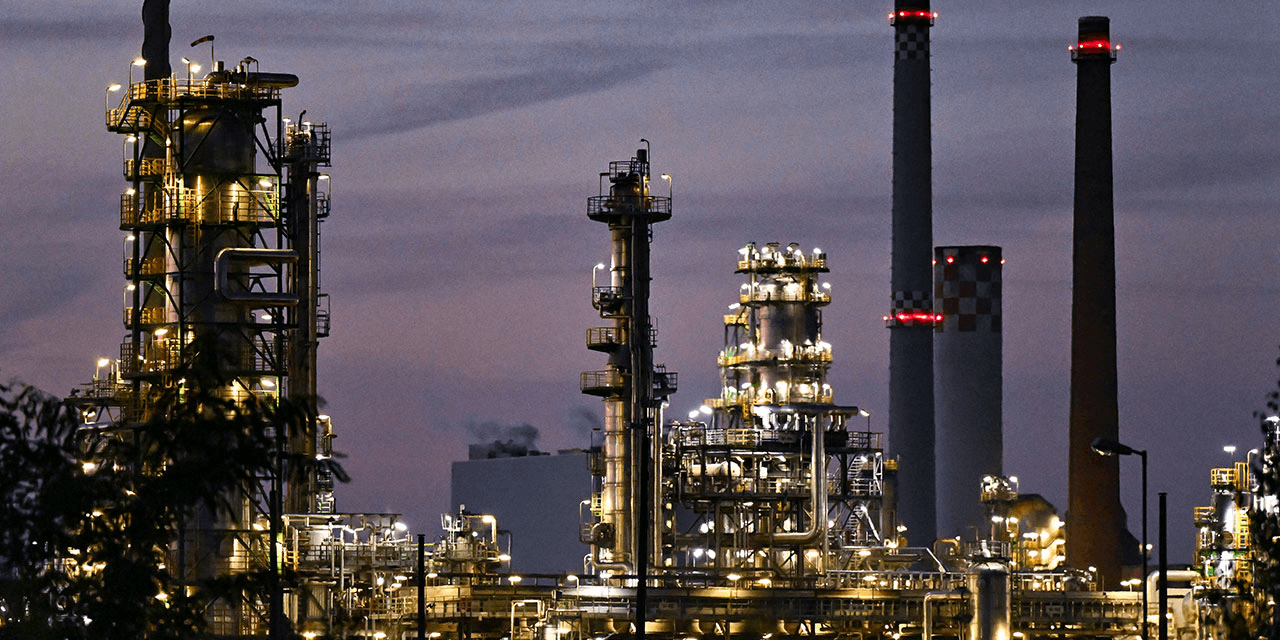
The goal is not to eliminate energy use. Modern societies need energy for homes, hospitals, transport, food systems, manufacturing, and digital infrastructure.
The real question is how that energy is produced and used.
A fossil fuel-based energy system releases large amounts of carbon and pollution. A cleaner energy system must provide reliable and affordable energy while reducing emissions and environmental harm.
This is why sustainability discussions increasingly focus on energy transition rather than only energy replacement. The transition requires new technologies, better policy frameworks, responsible financing, and changes in how industries operate.
For businesses, this means fossil fuel dependence is no longer only an operational issue. It is becoming a climate risk, a regulatory risk, and a strategic business concern.
Companies are increasingly expected to understand their energy use, measure emissions, improve efficiency, and transition toward cleaner alternatives.
Why This Matters for Businesses and Institutions
For organisations, burning fossil fuels is directly connected to carbon footprint and sustainability performance.
Emissions from fuel combustion may appear in direct operations, purchased electricity, logistics, manufacturing, supply chains, and product use. This is why fossil fuel use is closely linked with greenhouse gas accounting and ESG reporting.
Reducing fossil fuel dependence can support climate goals, improve operational efficiency, reduce exposure to future regulation, and strengthen sustainability positioning.
However, the transition must be planned carefully. Organisations need to understand where fossil fuel use exists in their operations and which alternatives are technically and financially viable.
This may include renewable electricity procurement, energy audits, fleet electrification, process efficiency, supplier engagement, and long-term decarbonisation planning.
Conclusion
Burning fossil fuels has powered economic growth for generations, but it has also become one of the defining drivers of climate change and air pollution.
The issue is not only about coal, oil, or gas as fuels. It is about the systems built around them and the emissions released when they are burned.
Understanding fossil fuel combustion helps explain why climate action, clean energy, public health, and sustainability are deeply connected.
The future of energy will depend on how quickly societies can build systems that are reliable, affordable, and cleaner. Reducing dependence on fossil fuels is not just an environmental goal. It is one of the most important transitions shaping the future of economies, industries, and communities.
FAQs
1. What does burning fossil fuels mean?
Burning fossil fuels means using coal, oil, or natural gas to release energy for electricity, transport, heating, or industry.
2. What happens when fossil fuels are burned?
They release energy, but also emit carbon dioxide and air pollutants that affect climate and human health.
3. Why is burning fossil fuels bad for the environment?
It increases greenhouse gas emissions, contributes to global warming, and causes air pollution.
4. Which fossil fuels are burned the most?
Coal, oil, and natural gas are the most commonly burned fossil fuels.
5. How does burning fossil fuels cause climate change?
It releases carbon dioxide, which traps heat in the atmosphere and raises global temperatures.
6. How does fossil fuel burning affect health?
It releases pollutants linked to asthma, lung disease, heart disease, and premature deaths.
7. Which sectors burn the most fossil fuels?
Electricity, transport, industry, buildings, and agriculture are major fossil fuel-using sectors.
8. Can renewable energy replace fossil fuels?
Renewables like solar and wind can replace fossil fuels in many areas, especially electricity generation.
9. Why is it difficult to stop burning fossil fuels?
Many systems still depend on fossil fuels for reliable energy, transport, industrial heat, and infrastructure.
10. What is the future of fossil fuels?
Fossil fuel use is expected to reduce over time as clean energy, electrification, and efficiency improve.

Other articles



We work with individuals, startups, and NGOs dedicated to forging a sustainable future. Tell us about your mission.

