
Carbon footprint has become one of the most commonly used terms in sustainability conversations. It appears in climate reports, ESG disclosures, product labels, corporate strategies, and even personal lifestyle discussions. But despite its frequent use, the meaning is often misunderstood.
A carbon footprint is not just about carbon dioxide from vehicles or factories. It is a way of measuring the total greenhouse gas emissions linked to an activity, product, organisation, city, or individual. These emissions may come directly from fuel use, or indirectly from electricity, supply chains, travel, food, waste, and purchased goods.
In simple terms, a carbon footprint helps answer one important question: how much climate impact is connected to what we do, produce, consume, or operate?
As climate risks become more visible through extreme heat, unpredictable rainfall, rising energy demand, and resource stress, measuring carbon footprints is becoming increasingly important. The IPCC’s Sixth Assessment Report makes clear that human-caused greenhouse gas emissions have driven global warming, and reducing emissions is central to limiting future climate risks.
For businesses, NGOs, cities, and individuals, carbon footprint measurement is the starting point. Without measurement, reduction remains vague. With measurement, climate action becomes more structured, trackable, and accountable.
What Is a Carbon Footprint?
A carbon footprint is the total amount of greenhouse gases released directly or indirectly because of a person, organisation, product, service, event, or activity.
Although the term uses the word “carbon,” it usually includes more than carbon dioxide. It also includes other greenhouse gases such as methane and nitrous oxide. To compare these gases consistently, they are converted into a common unit called carbon dioxide equivalent, or CO₂e.
For example, burning petrol in a car releases carbon dioxide directly. Using electricity at an office creates indirect emissions depending on how that electricity was generated. Producing food, manufacturing products, transporting goods, and disposing of waste also create emissions across a larger system.
This is why carbon footprint is not only an environmental term. It is also a system term. It connects energy, transport, materials, land use, operations, and consumption into one measurable climate impact.
Why Carbon Footprints Matter
Carbon footprints matter because greenhouse gas emissions are directly linked to climate change. The more emissions released into the atmosphere, the greater the pressure on the climate system.
The UNEP Emissions Gap Report highlights the need for faster and deeper reductions in greenhouse gas emissions to limit climate risks and keep global temperature goals within reach.
For organisations, carbon footprints are becoming important for several reasons. They help identify where emissions are coming from, which activities are most carbon-intensive, and where reductions can have the highest impact.
They also support better decision-making. A company may discover that its largest emissions do not come from office electricity, but from purchased materials, logistics, or product use. A city may find that transport and building energy are major sources. An NGO may realise that field operations, travel, procurement, and events all contribute to its footprint.
In every case, the value of measurement is clarity.
What Makes Up a Carbon Footprint?

A carbon footprint can include many sources depending on what is being measured. For an individual, it may include electricity use, cooking fuel, transport, flights, food choices, shopping, and waste. For a business, it may include factories, vehicles, electricity, suppliers, packaging, logistics, employee travel, and product use.
At a broad level, most carbon footprints are built from five major areas:
Energy use: electricity, heating, cooling, fuel, and power consumption
Transport: cars, trucks, flights, shipping, employee commute, logistics
Food and agriculture: production, processing, storage, transport, and waste
Goods and materials: manufacturing, packaging, procurement, and disposal
Waste: landfill emissions, recycling, composting, and waste treatment systems
This is why carbon footprints are rarely limited to what happens inside one building or one activity. They usually extend across a wider chain of decisions.
How Carbon Footprints Are Measured
Carbon footprints are usually calculated by combining activity data with emission factors.
Activity data refers to measurable information such as litres of diesel used, units of electricity consumed, kilometres travelled, tonnes of material purchased, or kilograms of waste generated.
Emission factors convert this activity into estimated emissions. For example, one unit of electricity will have a different carbon impact depending on whether it comes from coal, solar, wind, gas, or a mixed electricity grid.
The basic logic looks like this:
Activity Data × Emission Factor = Greenhouse Gas Emissions
The result is usually expressed in kg CO₂e or tonnes CO₂e.
For organisations, the most widely used global framework is the Greenhouse Gas Protocol, which provides standards for corporate greenhouse gas accounting and reporting. The GHG Protocol defines emissions using Scope 1, Scope 2, and Scope 3 categories to separate direct and indirect emissions.
Scope 1, Scope 2 and Scope 3 Emissions Explained
Scope 1, Scope 2, and Scope 3 are the three main categories used to organise emissions under the GHG Protocol framework.
Scope 1 emissions are direct emissions from sources owned or controlled by an organisation. This includes fuel used in company vehicles, diesel generators, boilers, furnaces, or on-site industrial processes.
Scope 2 emissions are indirect emissions from purchased electricity, heating, cooling, or steam. For many offices and service-sector companies, electricity use is a major Scope 2 source.
Scope 3 emissions are all other indirect emissions across the value chain. This can include purchased goods, suppliers, transport, business travel, employee commuting, waste, product use, and end-of-life disposal. The GHG Protocol’s Scope 3 guidance provides companies with practical methods to calculate emissions across their value chains.
Scope 3 is often the most complex category because it goes beyond an organisation’s direct control. It requires data from suppliers, customers, logistics partners, and other parts of the value chain. This is why many organisations begin with Scope 1 and 2, and then gradually build Scope 3 measurement maturity.
Carbon Footprint in the Indian Context
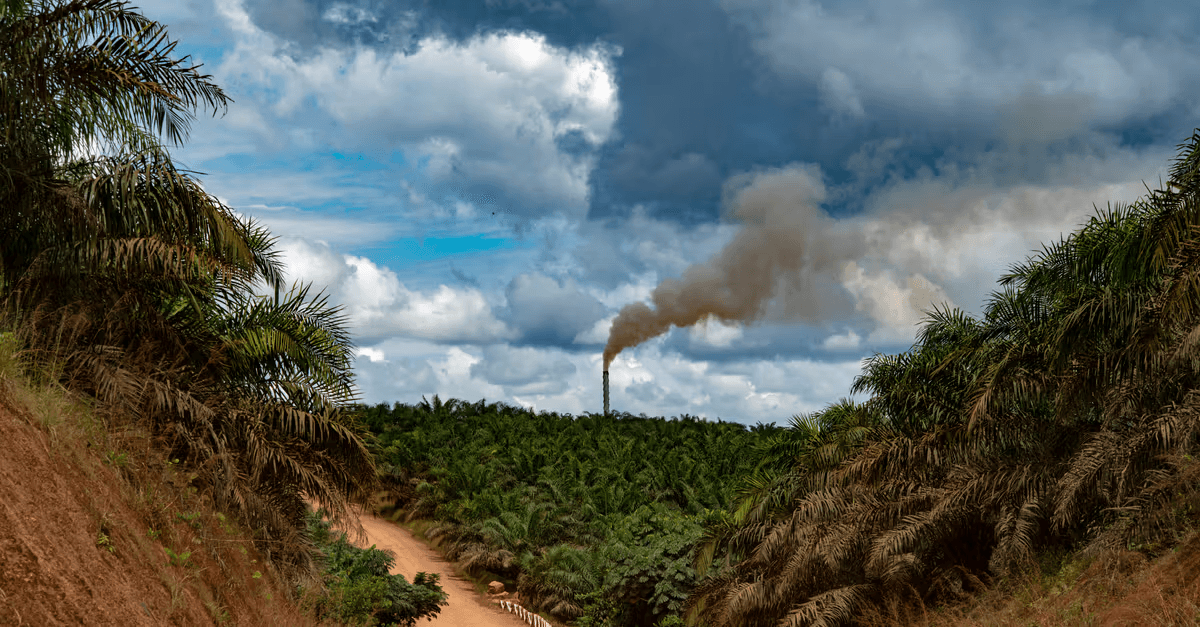
In India, carbon footprint measurement is becoming increasingly relevant for both regulatory and strategic reasons.
Large listed companies are expected to disclose sustainability-related information through SEBI’s Business Responsibility and Sustainability Reporting framework. The BRSR format encourages companies to disclose environmental indicators, including energy consumption and greenhouse gas emissions, while also allowing cross-referencing with internationally accepted sustainability frameworks.
This is important because climate reporting is moving from voluntary communication to structured disclosure. Companies are being asked not only to make sustainability claims, but to support them with data.
For Indian businesses, this creates both a challenge and an opportunity. The challenge is that carbon accounting requires reliable data systems, supplier engagement, emission factors, and consistent methodology. The opportunity is that early measurement can help identify cost savings, reduce energy intensity, improve ESG performance, and prepare for future compliance expectations.
Carbon Footprint Examples
The easiest way to understand carbon footprint is through examples.
A household carbon footprint may include electricity consumption, LPG or piped gas use, private vehicle use, flights, food consumption, online shopping, and waste generation.
A business carbon footprint may include office electricity, company vehicles, manufacturing energy, purchased materials, business travel, logistics, packaging, and supplier emissions.
A product carbon footprint may include raw material extraction, manufacturing, packaging, transport, use by the customer, and disposal.
A city carbon footprint may include transport systems, buildings, waste management, industries, municipal operations, and public infrastructure.
The scale changes, but the principle remains the same: identify the activities, collect data, apply emission factors, and calculate emissions in CO₂e.
Why Measurement Comes Before Reduction
Many organisations start climate action by announcing reduction goals. But goals without measurement can become difficult to track.
Carbon footprint measurement helps identify the largest emission sources. It shows whether energy, transport, procurement, waste, or supply chains are the main contributors. Once this is clear, reduction strategies become more targeted.
For example, if electricity is the largest source, renewable energy and efficiency improvements may be the priority. If logistics is a major contributor, route optimisation, vehicle efficiency, or modal shifts may matter more. If purchased goods dominate emissions, supplier engagement becomes essential.
This is why carbon footprinting is not just a reporting exercise. It is a decision-making tool.
Common Challenges in Carbon Footprint Measurement

Carbon footprint measurement can be complex, especially for organisations with multiple sites, suppliers, products, or operational activities.
Some common challenges include:
Incomplete or inconsistent data
Lack of supplier-level emissions information
Difficulty measuring Scope 3 emissions
Use of generic emission factors where specific data is unavailable
Limited internal capacity for carbon accounting
Confusion between reduction, offsetting, and reporting
These challenges are normal in the early stages. The important step is to begin with a clear boundary, reliable methodology, and a transparent approach.
Carbon Footprint vs Carbon Offset
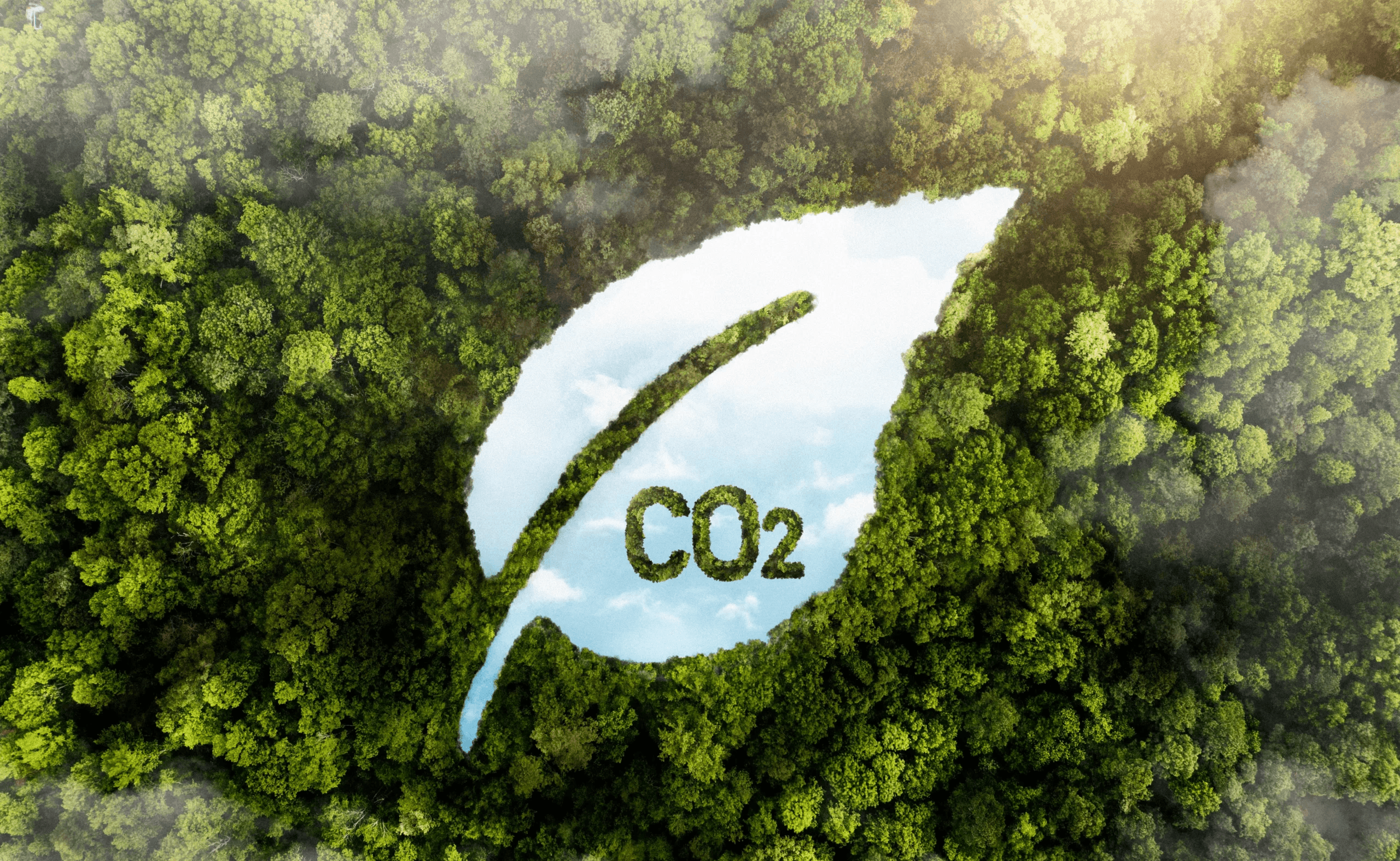
Carbon footprint and carbon offset are often used together, but they are not the same.
A carbon footprint measures emissions. A carbon offset is a way to compensate for emissions by supporting projects that reduce, avoid, or remove greenhouse gases elsewhere.
Offsets can play a role, especially for emissions that are difficult to eliminate immediately. But they should not replace actual reductions. The stronger approach is to first measure emissions, then reduce wherever possible, and only then consider credible offsets for unavoidable emissions.
In sustainability strategy, reduction should always come before compensation.
The Way Forward
Carbon footprint measurement is becoming a foundation for climate action. It helps organisations, cities, and individuals understand their role in the emissions system and identify where change is possible.
For Mission Sustainability, this blog can act as a starting point. Future guides can go deeper into how businesses, NGOs, and individuals can measure and reduce their carbon footprint in more practical and sector-specific ways.
Because the first step toward reducing impact is understanding it.
And carbon footprint gives us the language, structure, and data to begin.
FAQs
1. What is a carbon footprint?
A carbon footprint is the total greenhouse gas emissions caused directly or indirectly by an individual, organisation, product, service, or activity.
2. How is a carbon footprint measured?
It is measured by multiplying activity data, such as fuel use or electricity consumption, by emission factors and converting the result into CO₂ equivalent.
3. What does CO₂e mean?
CO₂e means carbon dioxide equivalent. It is a common unit used to compare different greenhouse gases based on their warming impact.
4. What are Scope 1 emissions?
Scope 1 emissions are direct emissions from sources owned or controlled by an organisation, such as company vehicles or on-site fuel use.
5. What are Scope 2 emissions?
Scope 2 emissions are indirect emissions from purchased electricity, heating, cooling, or steam.
6. What are Scope 3 emissions?
Scope 3 emissions are indirect emissions across the value chain, including suppliers, logistics, travel, product use, and waste.
7. Why is carbon footprint important for businesses?
It helps businesses identify emission sources, manage climate risk, reduce costs, improve ESG reporting, and plan decarbonisation strategies.
8. Is carbon footprint only about carbon dioxide?
No. It includes multiple greenhouse gases such as methane and nitrous oxide, usually expressed as CO₂e.
9. What is the difference between carbon footprint and carbon offset?
A carbon footprint measures emissions, while a carbon offset compensates for emissions through projects that reduce or remove greenhouse gases.
10. Can individuals also measure their carbon footprint?
Yes. Individuals can estimate their footprint based on electricity use, transport, diet, consumption, travel, and waste habits.

Other articles



We work with individuals, startups, and NGOs dedicated to forging a sustainable future. Tell us about your mission.

