

- All articles
Climate Change Explained: Why It Matters, What’s Driving It, and What Comes Next
By Ketul
Updated 08 Sep, 2024
10 min read

Contents
Main Menu
Climate change is no longer a distant scientific concept or a future environmental threat. It is a defining condition of the 21st century — one that is reshaping how societies function, how economies grow, and how people experience daily life.
According to the United Nations, climate change refers to long-term shifts in temperatures and weather patterns. While Earth’s climate has always changed naturally, the pace and scale of current warming are unprecedented — and overwhelmingly driven by human activity.
Understanding climate change today means looking beyond isolated events and recognizing the interconnected systems that drive planetary change.
Understanding Climate Change: More Than Just Rising Temperatures
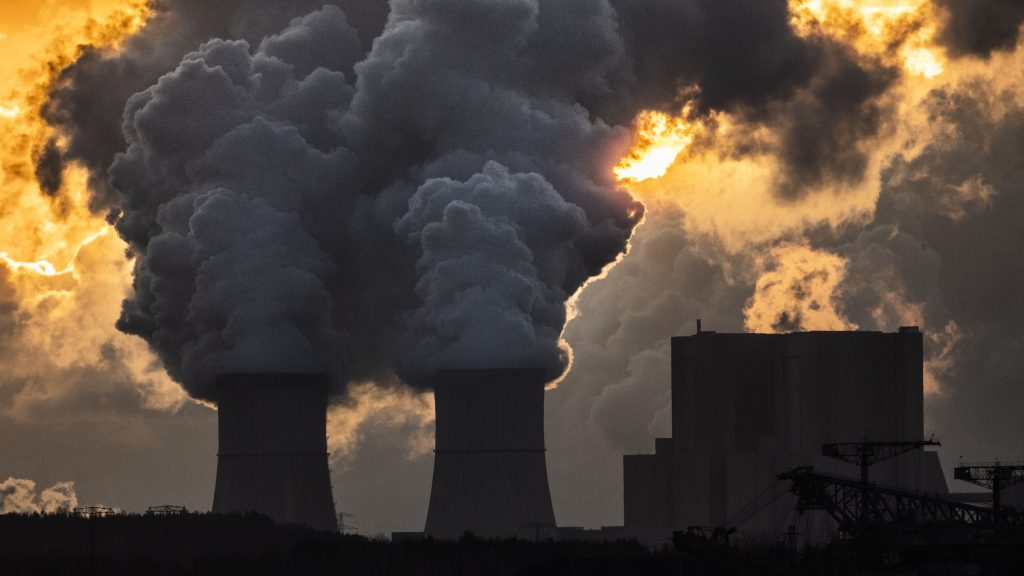
Climate change is often simplified as “global warming,” but the reality is more complex.
Global warming refers specifically to the increase in Earth’s average surface temperature. Climate change, however, encompasses a broader set of changes, including:
- Shifting rainfall patterns
- Intensifying storms and heatwaves
- Rising sea levels
- Disruptions to ecosystems and food systems
Scientific observations compiled by NASA show that the Earth has warmed by over 1°C since the late 19th century — a change large enough to destabilize natural and human systems.
Even small increases in global temperature can trigger large-scale consequences, especially when they occur rapidly.
What Is Driving Climate Change?
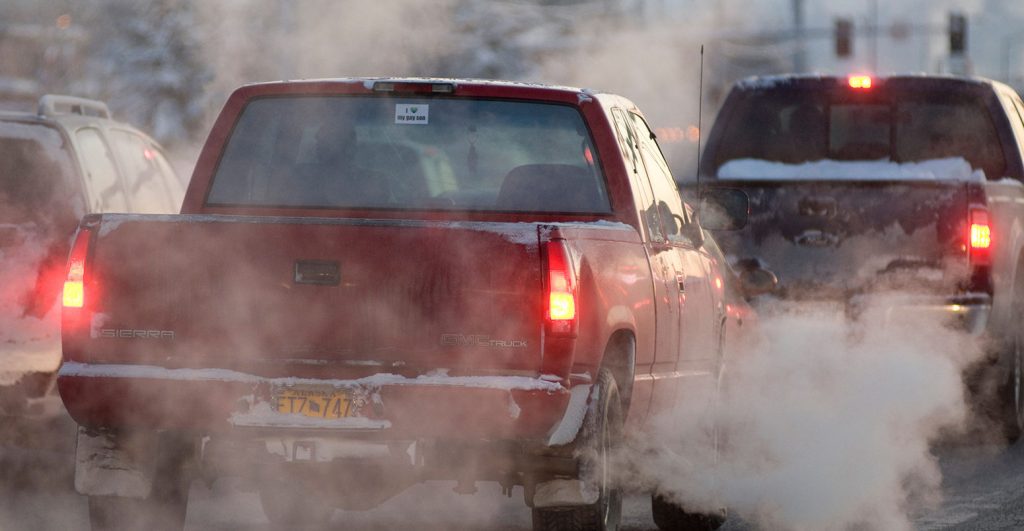
At the core of climate change is the greenhouse effect — a natural process that keeps Earth warm enough to sustain life. The problem arises when human activities intensify this effect by releasing excessive greenhouse gases into the atmosphere.
Primary human-driven causes include:
- Burning fossil fuels for electricity, transport, and industry
- Deforestation, which reduces the planet’s ability to absorb carbon dioxide
- Industrial processes such as cement and steel production
- Agriculture, particularly livestock farming and fertilizer use
The Intergovernmental Panel on Climate Change (IPCC) states with high confidence that human influence has warmed the atmosphere, oceans, and land — leaving no doubt about the cause of current climate trends.
The Evidence Is Overwhelming
Climate change is supported by multiple, independent lines of evidence observed across the planet:
- Melting glaciers and polar ice caps
- Rising sea levels, driven by ice melt and thermal expansion
- More frequent and intense heatwaves
- Shifts in ecosystems and species migration
Data from the NASA Earth Observatory and other scientific institutions consistently confirm these trends.
Climate change is not a projection — it is an observation.
Climate Change and the Natural World
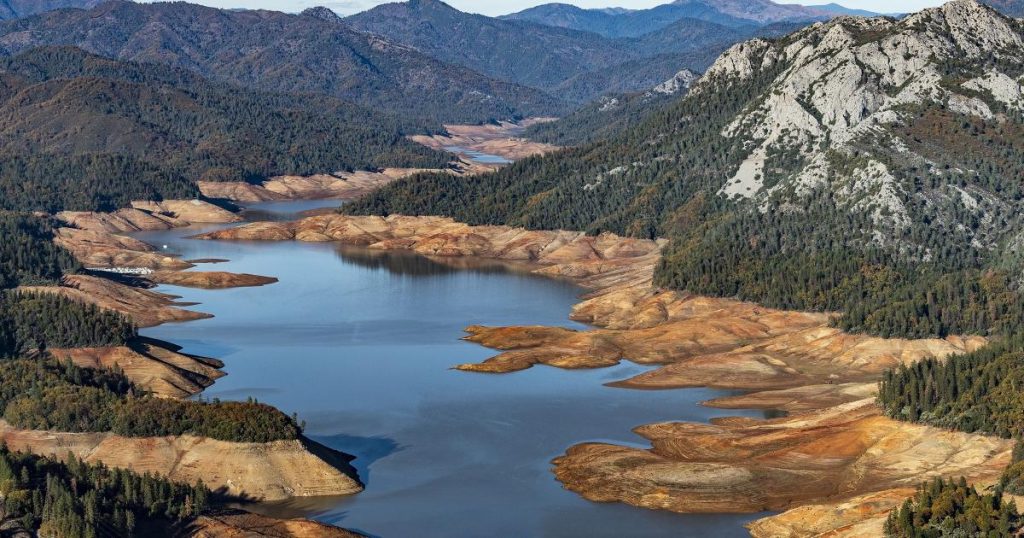
Climate change affects the Earth’s natural systems in profound ways.
Ecosystems and biodiversity
Many species struggle to adapt to rapidly changing temperatures and habitats, increasing extinction risks.
Oceans
The oceans absorb over 90% of excess heat and about a quarter of carbon dioxide emissions, leading to warming, acidification, and coral bleaching.
Water systems
Glacier retreat and altered rainfall patterns threaten freshwater availability for millions.
According to Our World in Data, these impacts are accelerating as global emissions remain high.
Climate Change as a Human Health Crisis
The World Health Organization identifies climate change as one of the greatest threats to global health.
Health impacts include:
- Heat-related illnesses and deaths
- Worsening respiratory and cardiovascular diseases
- Increased spread of infectious diseases
- Mental health stress caused by environmental instability
Climate change amplifies existing health inequalities, disproportionately affecting vulnerable populations.
Why Climate Change Is Also a Development and Equity Issue
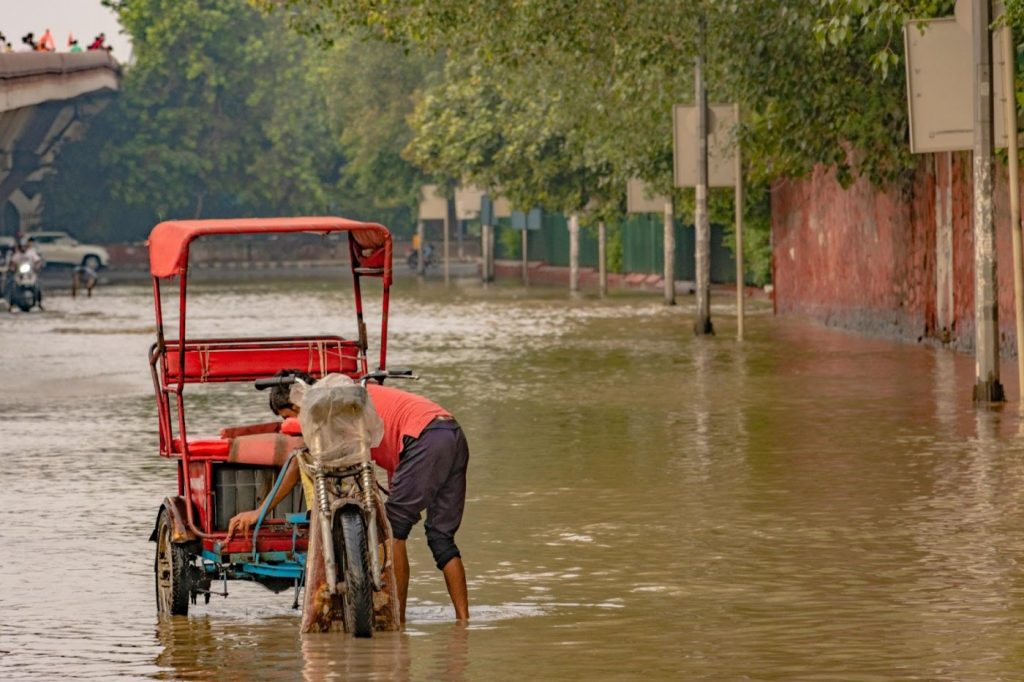
Climate change does not affect all countries or communities equally.
According to the IPCC, regions that have contributed the least to global greenhouse gas emissions often face the most severe impacts. Limited infrastructure, economic constraints, and reliance on climate-sensitive livelihoods make adaptation more difficult.
This imbalance makes climate change a matter of justice and equity, raising questions about responsibility, resilience, and global cooperation.
Cities at the Center of the Climate Challenge

Cities are both drivers of climate change and victims of its impacts.
According to the UN Environment Programme, cities account for over 70% of global carbon emissions. At the same time, dense populations and built environments make them highly vulnerable to heatwaves, flooding, and infrastructure stress.
How cities plan energy, transport, and land use will largely determine the trajectory of global climate outcomes.
What Can Be Done: Climate Solutions That Work
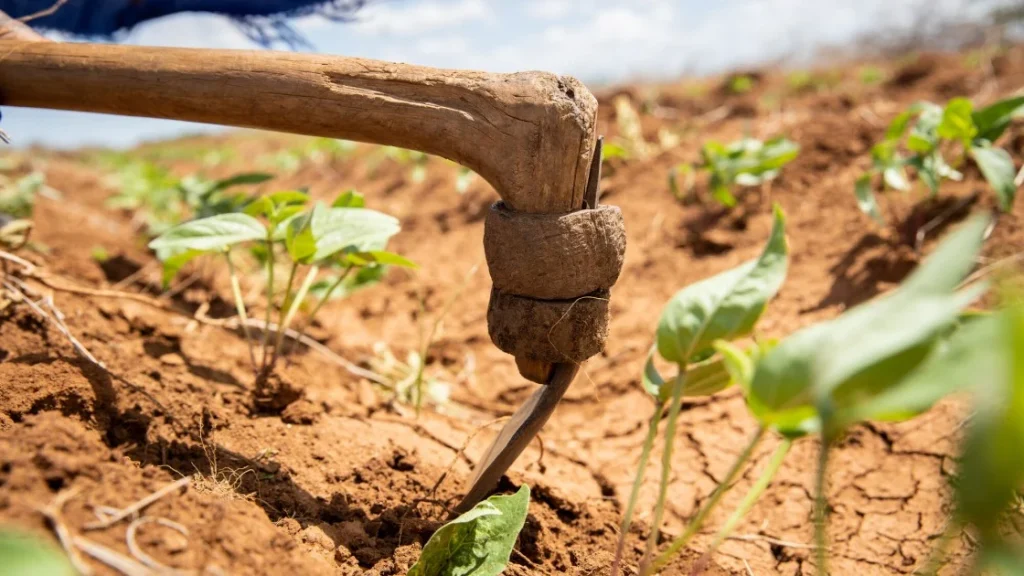
Addressing climate change requires long-term, systemic transformation.
Key actions include:
- Transitioning to renewable energy
- Improving energy efficiency
- Investing in sustainable transport
- Protecting forests and ecosystems
- Embedding climate resilience into policy and planning
As emphasized by the United Nations, climate action delivers multiple benefits — healthier populations, economic resilience, and environmental stability.
Conclusion: Climate Change Is the Defining Challenge of Our Time
Climate change is reshaping the planet at a pace faster than societies have ever experienced. The science is clear, the impacts are visible, and the costs of inaction continue to rise.
Responding effectively requires more than awareness — it demands coordinated action across governments, businesses, communities, and individuals.
Climate change is not only about protecting the environment.
It is about safeguarding human health, economic stability, and the future of life on Earth.
Frequently Asked Questions (FAQs)
What are the main causes of climate change?
The primary causes of climate change are the burning of coal, oil, and gas for energy and transport, deforestation, industrial emissions, and unsustainable agricultural practices. These activities increase carbon dioxide and other greenhouse gases in the atmosphere.
Is climate change different from global warming?
Yes. Global warming refers specifically to the rise in Earth’s average surface temperature, while climate change includes broader impacts such as changing rainfall patterns, extreme weather events, and rising sea levels.
How does climate change affect cities?
Climate change affects cities by increasing heatwaves, flooding, water stress, air pollution, and pressure on infrastructure and public health systems. Urban areas are especially vulnerable due to high population density and heavy energy use.
Is air pollution caused by climate change?
Air pollution is not caused by climate change, but both share common sources such as fossil fuel combustion. Climate change can worsen air pollution by altering weather patterns that trap pollutants for longer periods.
Why is climate change considered a health issue?
Climate change increases health risks including heat-related illnesses, respiratory diseases, cardiovascular conditions, and the spread of infectious diseases. The World Health Organization identifies climate change as one of the greatest health threats of the 21st century.
How does climate change impact developing countries the most?
Developing countries often face greater climate risks due to limited infrastructure, higher dependence on climate-sensitive livelihoods, and fewer resources for adaptation, despite contributing less to global greenhouse gas emissions.
What can cities do to address climate change?
Cities can reduce climate impact by transitioning to renewable energy, improving public transport, increasing green spaces, promoting energy-efficient buildings, and integrating climate resilience into urban planning.
Can climate change be reversed?
Climate change cannot be fully reversed in the short term, but its impacts can be significantly reduced by rapidly cutting greenhouse gas emissions, transitioning to clean energy, and protecting natural ecosystems.
Why is climate action urgent today?
Climate action is urgent because delays increase the risk of irreversible environmental damage, more extreme weather events, health crises, and economic losses. Immediate action reduces long-term risks and costs.
Related articles

‘Busting myths about plastic recycling’: everything you need to know
Achint
July 10, 2022

Operations Management: A Complete Guide
missionsustainability
February 13, 2026
Ready to talk?
We work with individual initiatives, startups, and NGOs dedicated to forging a sustainable future with better design, marketing, technology & operations.