Digital marketing is no longer about chasing trends or reacting to algorithm updates. In 2026, it is a structured growth system.
Search engines evolve. Social platforms shift. AI tools automate. Privacy regulations tighten. But the businesses that succeed consistently follow a clear process: research, strategy, execution, measurement, optimisation.
According to the Statista, global digital advertising spend continues to grow year after year, reflecting the increasing importance of online customer acquisition. At the same time, platforms like Google and Meta continuously refine algorithms, making structured strategy more important than short-term tactics.
Successful digital marketing does not rely on hacks. It relies on:
Deep audience understanding
Clear objectives
High-quality content
Search visibility
Multi-channel execution
Continuous optimisation
This guide breaks down the digital marketing process step by step — from market research to performance analysis — so you can build campaigns that are measurable, scalable, and resilient.
Digital marketing definition
Digital marketing is the strategic use of online channels — including search engines, social media platforms, websites, email, and paid advertising — to attract, engage, and convert customers.
It begins with defining objectives and understanding the target audience. From there, it involves creating relevant content, optimising for discoverability, distributing across the right platforms, and measuring performance to improve outcomes.
Modern digital marketing integrates:
Search Engine Optimization (SEO)
Content marketing
Social media strategy
Email automation
Paid advertising (PPC)
Analytics and conversion optimisation
It is not a one-time campaign. It is a continuous, data-driven system designed to guide customers through awareness, consideration, and decision-making.
Step-by-step breakdown of the digital marketing process
Mastering each step in the digital marketing process is like building a roadmap to your brand’s success. Each method of the digital marketing process is developed in a way that a skilled digital marketing agency can execute, allowing you to reach your goals with precision and clarity.
Step 1: Market Research & Audience Understanding
What It Is
Every effective digital marketing strategy begins with clarity about who you are targeting. Market research goes beyond demographics — it focuses on understanding intent, behaviour patterns, customer pain points, and competitive positioning.
In 2026, audience research is increasingly data-driven, combining analytics insights, keyword intent analysis, and behavioural tracking.
How to Do It
Analyse website data using Google Analytics 4
Study search intent through keyword research tools
Monitor competitors’ positioning and messaging
Conduct surveys and customer interviews
Build data-backed buyer personas
Why It Matters
Marketing without research leads to wasted budgets and inconsistent messaging. Clear audience insight allows you to create content and campaigns that resonate, convert, and scale.
Step 2: Set Goals & Define KPIs
What It Is
Goals define direction. KPIs (Key Performance Indicators) measure progress. Without clear objectives, marketing becomes reactive instead of strategic.
How to Do It
Use SMART goal principles (Specific, Measurable, Achievable, Relevant, Time-bound)
Define metrics aligned with business outcomes (leads, conversions, revenue)
Separate vanity metrics (likes, impressions) from performance metrics (ROI, cost per acquisition)
Example:
“Increase qualified website leads by 25% within 6 months.”
Why It Matters
Clear KPIs provide accountability. They ensure your marketing efforts are tied to tangible business growth rather than activity for activity’s sake.
Step 3: Content Strategy & Creation
What It Is
Content is the engine of digital marketing. It educates, builds trust, improves SEO, and supports social and paid campaigns.
A content strategy ensures consistency, relevance, and alignment with audience intent.
How to Do It
Conduct keyword research
Map content to different stages of the customer journey
Create a content calendar
Diversify formats (blogs, videos, case studies, infographics, short-form posts)
Optimise content for clarity and search visibility
Why It Matters
High-quality content increases discoverability, establishes authority, and builds long-term brand credibility. Consistent content also strengthens SEO performance over time.
Step 4: SEO Optimization
What It Is
Search Engine Optimization (SEO) improves your visibility in search results. It ensures your content is discoverable when users actively search for solutions.
How to Do It
Optimize technical factors (site speed, mobile responsiveness, indexing)
Improve on-page elements (keywords, headers, meta descriptions)
Build high-quality backlinks
Update and refresh existing content
Improve internal linking structure
Why It Matters
Organic search traffic is one of the most sustainable acquisition channels. Strong SEO reduces dependency on paid ads and builds long-term visibility.
Step 5: Social Media Marketing
What It Is
Social media marketing distributes content, builds brand awareness, and fosters direct engagement with your audience.
It is not about posting everywhere — it is about being strategic about where your audience spends time.
How to Do It
Select platforms aligned with your target audience
Maintain a consistent posting schedule
Mix educational, promotional, and community-driven content
Use paid promotion strategically to extend reach
Monitor engagement metrics and conversations
Why It Matters
Social platforms amplify brand visibility and strengthen relationships. They also act as feedback channels that reveal audience preferences and behaviour.
Step 6: Email Marketing & Automation
What It Is
Email marketing remains one of the highest ROI digital channels. It enables direct communication with prospects and customers.
Automation allows you to deliver timely, relevant messages based on user behaviour.
How to Do It
Build segmented email lists
Create automated workflows (welcome series, abandoned cart, re-engagement)
Personalise messaging based on behaviour
Test subject lines and content formats
Track open rates, click-through rates, and conversions
Why It Matters
Email builds long-term relationships. It nurtures leads, supports repeat purchases, and provides a direct communication channel independent of algorithm changes.
Step 7: Paid Advertising (PPC & Social Ads)
What It Is
Paid advertising accelerates visibility. It allows precise targeting of audiences actively searching or showing interest in relevant products or services.
How to Do It
Set clear budget allocations
Define audience targeting parameters
Create compelling ad copy and visuals
Use retargeting for warm audiences
Continuously test creatives and landing pages
Why It Matters
Paid ads generate faster results than organic strategies. When combined with strong targeting and optimization, they can significantly increase conversions and revenue.
Step 8: Analyze & Optimize
What It Is
Digital marketing is iterative. Performance tracking ensures campaigns improve over time.
How to Do It
Monitor traffic, engagement, conversion, and ROI metrics
Conduct A/B testing on ads, landing pages, and emails
Identify high-performing content and replicate success
Adjust underperforming campaigns
Review strategy quarterly
Why It Matters
Data-driven optimization ensures marketing budgets are allocated efficiently. Continuous refinement leads to sustained growth rather than short-term spikes.
Advanced digital marketing techniques
As digital marketing evolves, advanced techniques offer even more ways to connect with your audience, improve engagement, and stay competitive. Here are some cutting-edge strategies to consider:
Technique | What It Is? | Why It Matters? |
|---|---|---|
AI & Machine Learning | Analyzes data to predict behavior, personalize content, and automate customer service with chatbots. | Enhances personalization and saves time by automating tasks. |
Voice Search Optimization | Focuses on conversational keywords and local SEO for voice searches. | Voice searches may drive up to 50% of all searches, ensuring visibility in a growing segment. |
Augmented Reality (AR) | Allows interaction with virtual elements in real-world settings (e.g., virtual try-ons). | Enriches experiences and increases engagement by enabling "try before you buy." |
Programmatic Advertising | Automates ad buying to target specific demographics in real-time. | Optimizes ROI by connecting with the right audience at the right time. |
Predictive Analytics | Uses data and algorithms to anticipate customer trends and needs. | Enables proactive messaging and product delivery, boosting conversions and loyalty. |
Influencer & Micro-Influencer Marketing | Leverages popular figures and niche micro-influencers for product promotion. | Expands reach quickly and offers cost-effective promotions with strong audience trust. |
Case Studies: Brands That Applied the Digital Marketing Process Effectively
Understanding the digital marketing process becomes clearer when we examine how leading brands execute it strategically. These examples highlight how structured research, content strategy, distribution, and optimization drive measurable outcomes.
1. Spotify – Data-Driven Content Personalization (Spotify Wrapped)
Strategy Used
Spotify’s annual “Wrapped” campaign transforms user listening data into personalized, shareable content. Instead of generic promotion, Spotify uses behavioural insights to create highly individualized experiences.
This campaign integrates:
Audience data analysis
Content personalization
Social media amplification
Built-in shareability
Community engagement
Why It Worked
Spotify didn’t simply publish content — it created content people wanted to distribute themselves. By leveraging user data responsibly and creatively, Spotify turned analytics into an emotional storytelling asset.
Marketing Lesson
Personalization increases engagement exponentially. Data becomes powerful when it enhances user identity and shareability.
This is a strong example of Steps 1, 3, and 5 working together:
Research → Content Strategy → Social Amplification.
2. Airbnb – Leveraging User-Generated Content (UGC)
Strategy Used
Airbnb integrates authentic customer photos and experiences into its marketing ecosystem. Instead of overproduced brand messaging, it amplifies real user experiences.
This aligns with:
Social proof psychology
Community building
Multi-channel content reuse
Trust-based branding
Why It Worked
User-generated content reduces friction in decision-making. Potential customers trust other users more than branded advertisements.
Marketing Lesson
Authenticity drives conversion. UGC strengthens both social media marketing and website performance.
Airbnb demonstrates how social content, SEO, and conversion optimization can reinforce each other.
3. Nike – Omnichannel Digital Ecosystem
Strategy Used
Nike integrates website personalization, mobile apps, email marketing, and social engagement into a seamless ecosystem. Its digital strategy focuses on:
Customer data integration
Personalised recommendations
Loyalty programs
Mobile-first experience
Why It Worked
Nike does not treat digital channels separately. Instead, it creates a continuous customer journey across touchpoints.
Marketing Lesson
Omnichannel consistency increases lifetime value. Integrated systems outperform isolated campaigns.
Nike exemplifies how Steps 2 through 8 must operate cohesively rather than independently.
4. HubSpot – Inbound Marketing Authority
Strategy Used
HubSpot built its growth strategy around inbound marketing principles:
Educational blog content
SEO-focused resource hubs
Lead magnets (ebooks, templates)
Email nurturing sequences
Free tools
Why It Worked
Instead of pushing ads aggressively, HubSpot positioned itself as a knowledge leader. This built trust and generated organic leads at scale.
Marketing Lesson
Educational content compounds over time. SEO + content marketing create sustainable acquisition channels.
HubSpot demonstrates how strong content strategy (Step 3) and SEO (Step 4) create long-term visibility.
Crucial tools & resources for digital marketing process
Having the right tools can streamline your digital marketing efforts, help you analyze data, and boost your productivity. Here are some of the best tools for each aspect of digital marketing:
1. Market research & audience insights
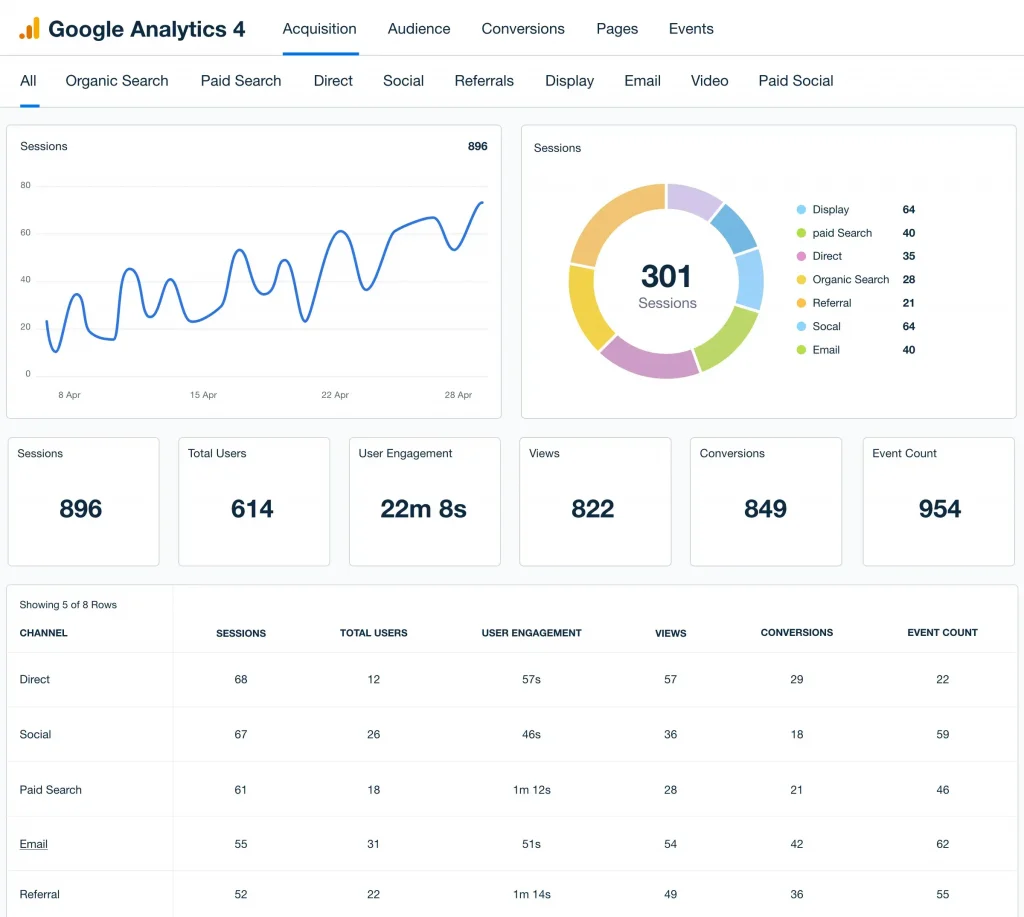
Google Analytics 4
Google Analytics: Provides insights into your website traffic, user demographics, and behavior. Essential for understanding your audience’s preferences and trends. Visit Google Analytics.
BuzzSumo: Helps identify trending content in your industry and analyze competitor strategies, giving insight into what topics resonate with your audience. Visit BuzzSumo.
SurveyMonkey: Allows you to create custom surveys to gather audience feedback and better understand customer needs. Visit SurveyMonkey.
2. Content creation & strategy
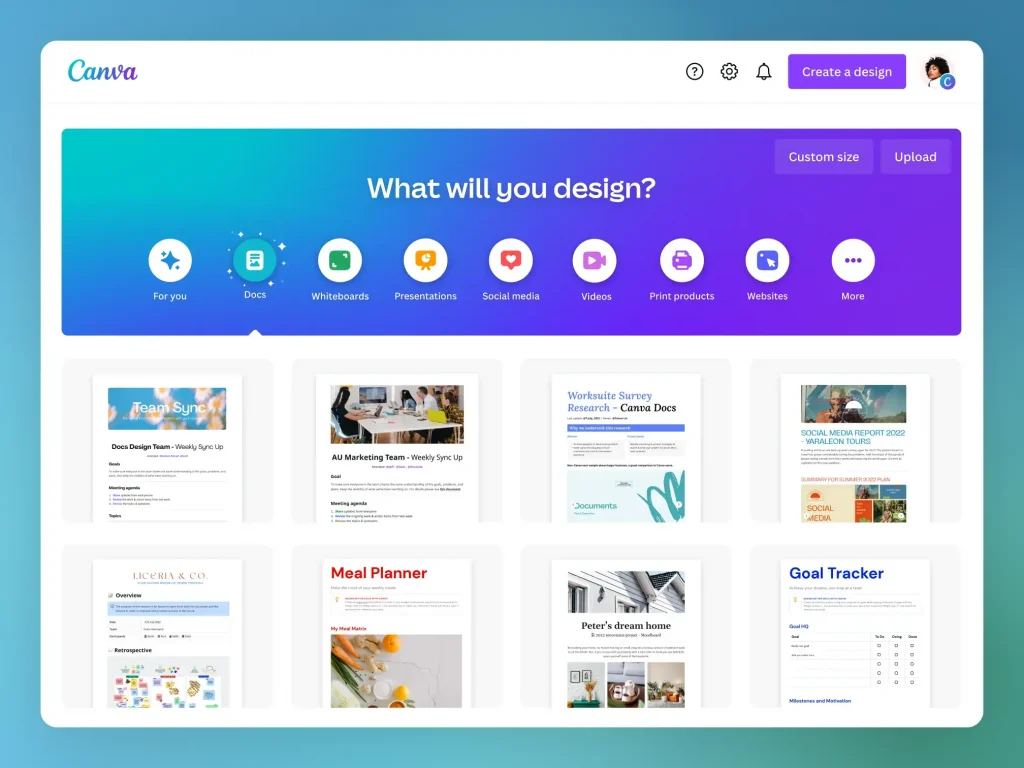
Canva
Canva: A user-friendly design tool for creating social media graphics or templates, blog images, and more, without requiring graphic design skills. Visit Canva.
Grammarly: An AI-driven writing assistant that helps ensure error-free, polished content. Visit Grammarly.
SEMrush Content Marketing Toolkit: Assists with keyword research, content ideas, and optimization to align with SEO best practices. Visit SEMrush.
3. SEO optimization
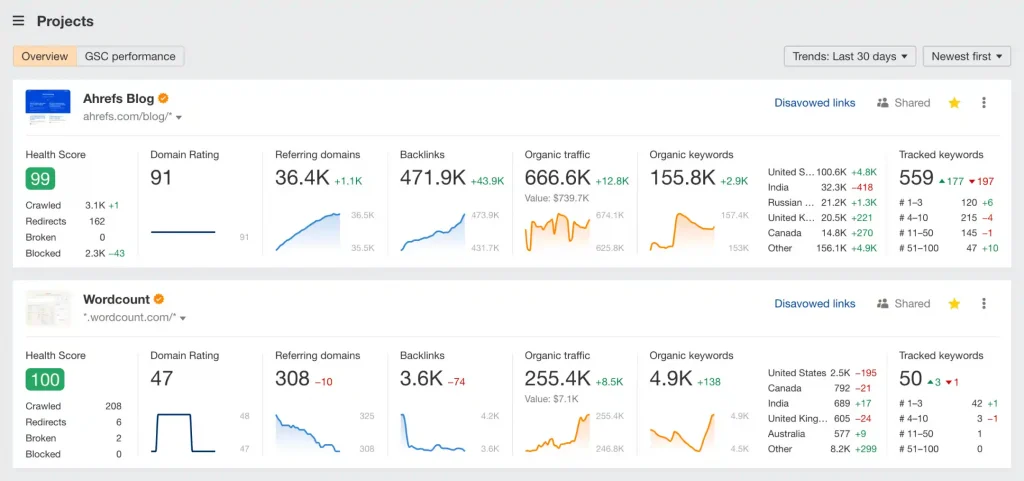
Ahrefs
Ahrefs: An all-in-one SEO tool for backlink analysis, keyword research, and competitor analysis. Great for improving website rankings. Visit Ahrefs.
Yoast SEO: A WordPress plugin that optimizes on-page SEO elements like meta descriptions, keywords, and readability. Visit Yoast SEO.
Google Search Console: Tracks website performance, identifies indexing issues, and provides essential insights for SEO improvements. Visit Google Search Console.
4. Social media management
Hootsuite
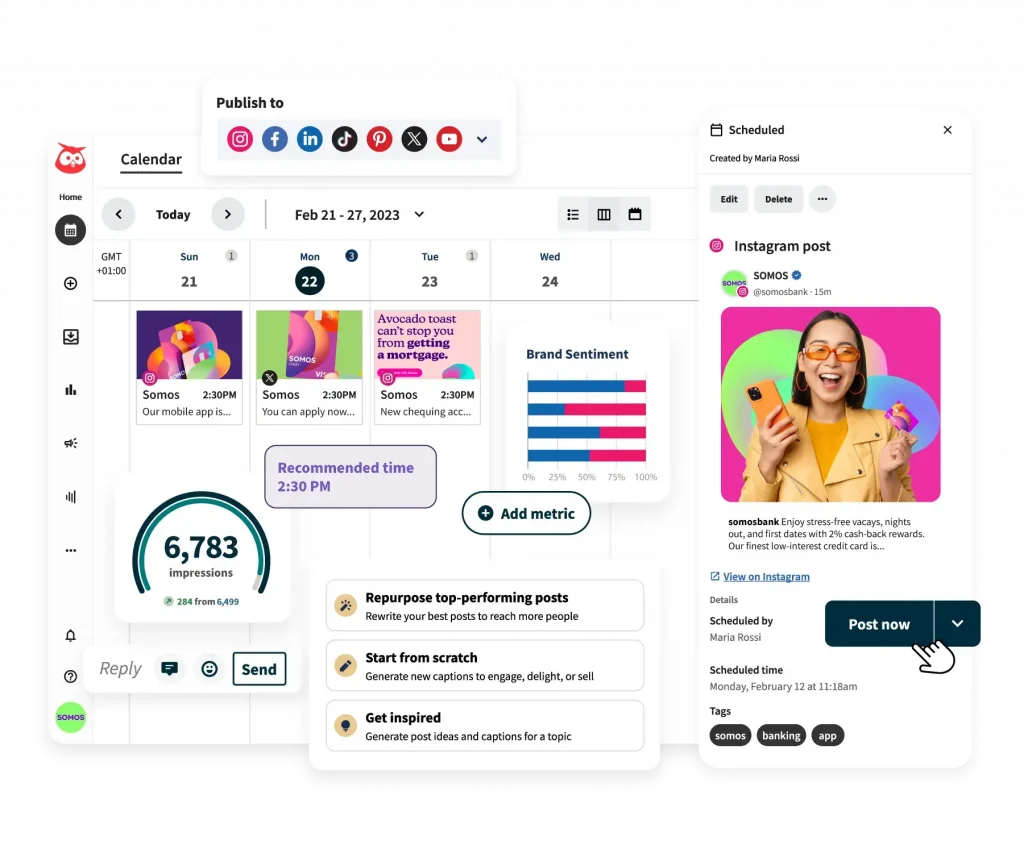
Hootsuite: A social media management platform that lets you schedule posts, monitor conversations, and measure engagement across multiple platforms. Visit Hootsuite.
Buffer: Another scheduling tool, with analytics to measure the effectiveness of social media posts and optimize your posting schedule. Visit Buffer.
Sprout Social: Offers social media scheduling, engagement tools, and in-depth analytics to understand what’s working and what needs improvement. Visit Sprout Social.
5. Email marketing & automation
Mailchimp
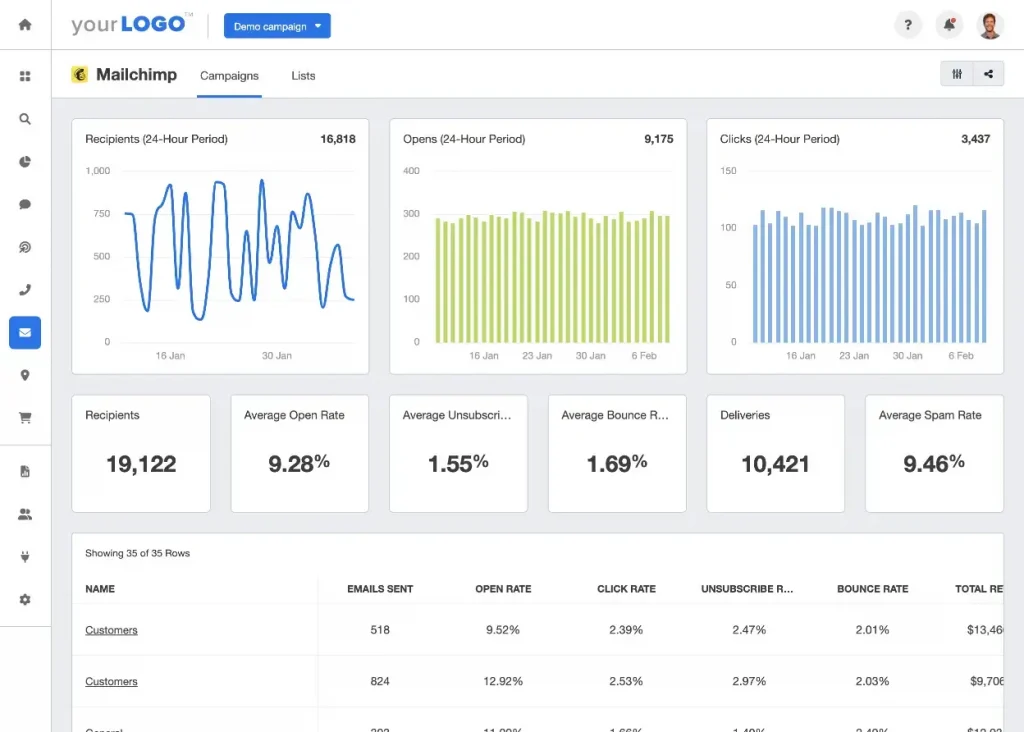
Mailchimp: A beginner-friendly email marketing platform with segmentation, automation, and analytics for targeted email campaigns. Visit Mailchimp.
HubSpot: An all-in-one tool for email marketing, CRM, and automation, great for nurturing leads and tracking customer journeys. Visit Hubspot.
ActiveCampaign: Known for its advanced automation, allowing you to create complex workflows to tailor messages based on user behavior. Visit ActiveCampaign.
6. Paid advertising (PPC & Social Ads)
Meta ads
Google Ads: Ideal for running search and display ads, reaching potential customers as they search on Google. Visit Google Ads.
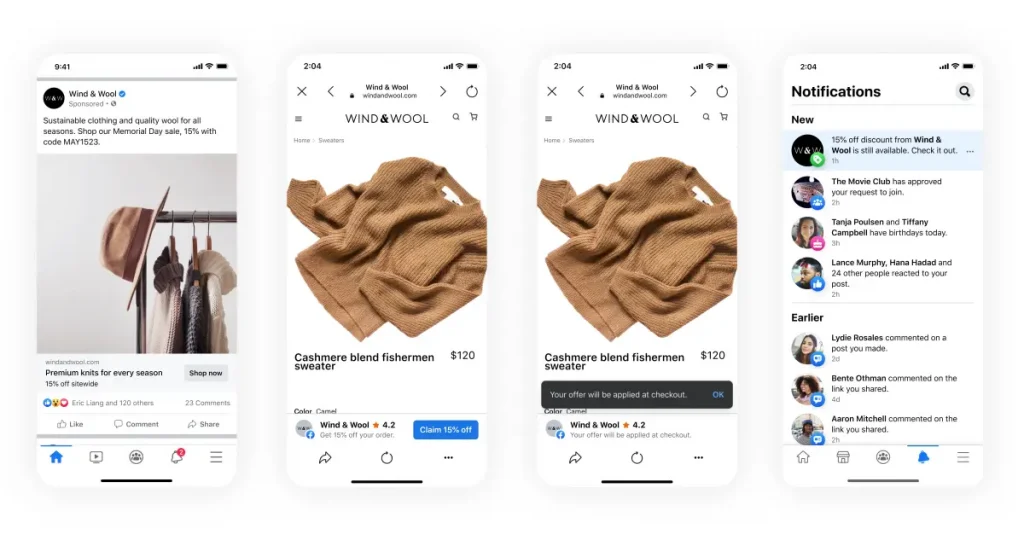
Meta Ads Manager: Allows you to create targeted ad campaigns on Facebook and Instagram, with detailed targeting options. Visit Meta Ads Manager.
AdEspresso: Simplifies ad creation and management across multiple platforms, helping optimize ad performance and ad spend. Visit AdEspresso.
7. Analytics & optimization
Hotjar
Google Analytics 4 (GA4): Tracks user interactions, behaviors, and conversions on your website, offering a detailed view of campaign effectiveness. Visit Google Analytics GA4.
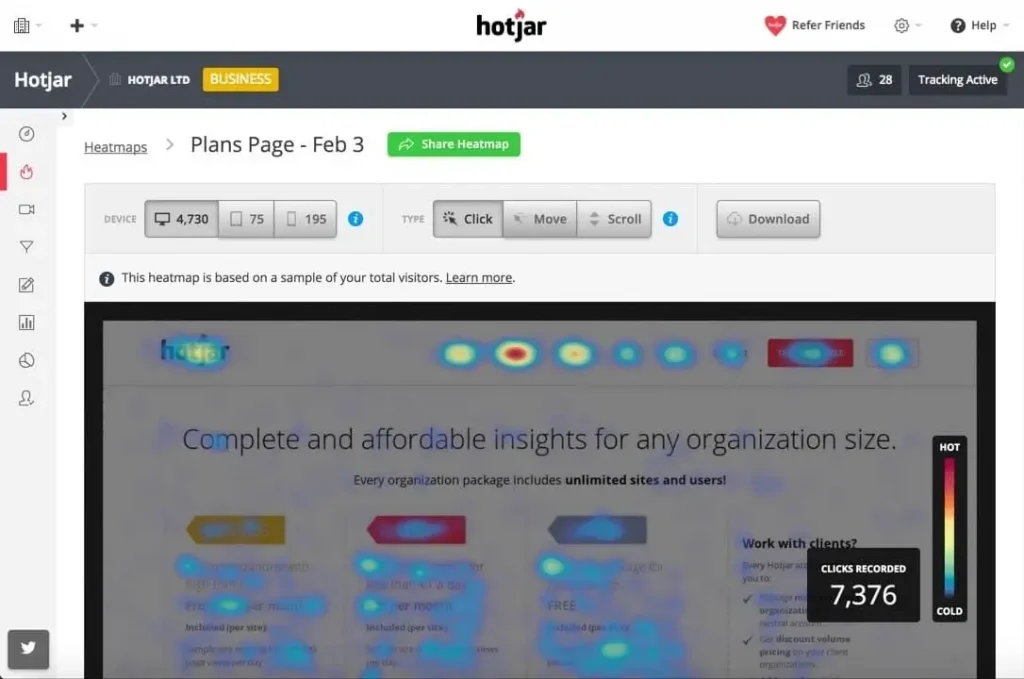
Hotjar: A tool for tracking user behavior with heat maps and session recordings, revealing insights into how users interact with your site. Visit Hotjar.
Optimizely: A robust A/B testing platform that allows you to test different website elements to find what resonates best with your audience. Visit Optimizely.
8. Project management & collaboration
Trello
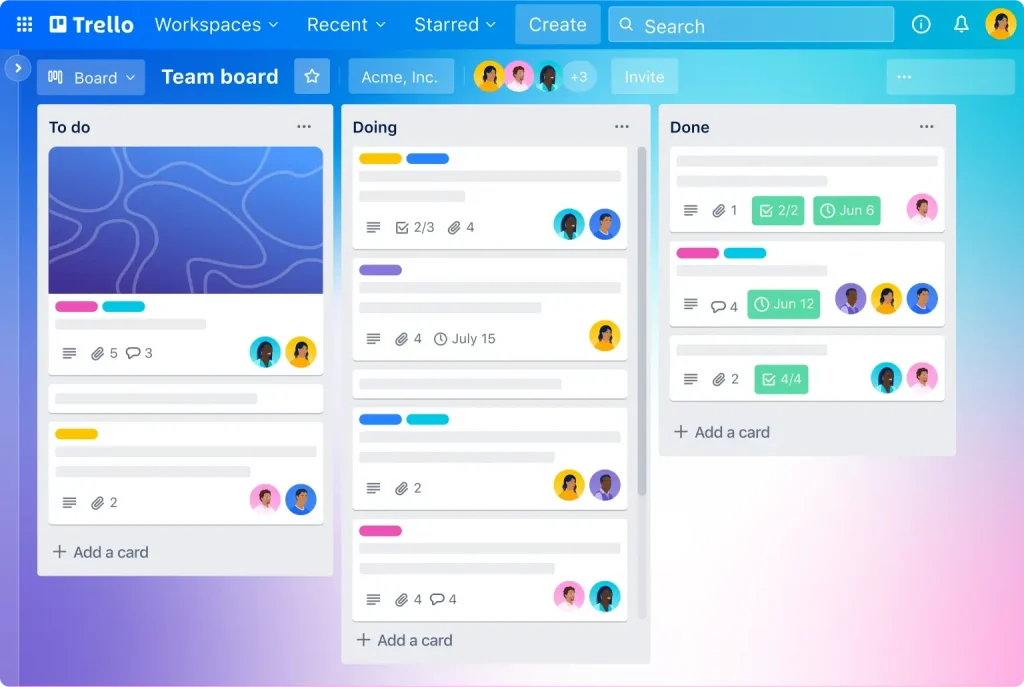
Trello: A flexible project management tool that helps organize tasks visually, ideal for content planning and tracking team collaboration. Visit Trello.
Asana: Enables you to create projects, set deadlines, and assign tasks, ensuring smooth teamwork and project execution. Visit Asana.
Slack: A communication tool that facilitates real-time messaging and collaboration, perfect for keeping teams aligned and productive. Visit Slack.
Final Thoughts: Digital Marketing Is a System, Not a Trend
Digital marketing is no longer about reacting to algorithms or chasing platform updates. In 2026, it functions as a structured growth system built on research, strategy, execution, and continuous optimization.
The businesses that succeed are not those experimenting randomly — they are the ones aligning every channel with measurable objectives. From audience research to SEO, paid media, automation, and performance analysis, each step supports the next.
As AI-driven personalization, privacy-focused data strategies, and zero-click search reshape online visibility, clarity and structure matter more than ever. Sustainable digital growth comes from consistency, data intelligence, and long-term thinking — not short-term hacks.
The framework outlined in this guide is not a trend. It is a repeatable process. When executed properly, it transforms digital marketing from a cost center into a measurable growth engine.
FAQs
1. What are the main steps in the digital marketing process?
The digital marketing process typically includes market research, goal setting, content creation, SEO optimization, social media marketing, email automation, paid advertising, and performance analysis. Each step supports measurable growth and audience engagement.
2. Why is digital marketing important for businesses in 2026?
Digital marketing focuses on online channels such as search engines, social media, email, and paid ads. Unlike traditional marketing, it provides real-time data, precise targeting, and measurable ROI.
4. How do you create a digital marketing strategy step by step?
Start by researching your audience and competitors. Define measurable goals and KPIs. Develop a content strategy, optimize for SEO, distribute across social platforms, implement email campaigns, use paid ads strategically, and continuously analyze results to improve performance.
5. What are the most effective digital marketing channels today?
The most effective channels include SEO, content marketing, paid search advertising, email marketing, and social media. Effectiveness depends on audience behavior, industry, and campaign objectives.
6. How does SEO fit into the digital marketing process?
SEO improves your visibility in search engines by optimizing content, website structure, and authority signals. It generates long-term organic traffic and reduces reliance on paid advertising.
6. How does SEO fit into the digital marketing process?
SEO improves your visibility in search engines by optimizing content, website structure, and authority signals. It generates long-term organic traffic and reduces reliance on paid advertising.
7. What tools are essential for digital marketing?
Essential tools include analytics platforms (like Google Analytics 4), SEO tools, email marketing software, social media management platforms, paid advertising dashboards, and A/B testing tools for optimization.
8. How often should you optimize your digital marketing campaigns?
Digital marketing campaigns should be reviewed continuously, with weekly performance checks and deeper monthly or quarterly strategy evaluations. Ongoing optimization improves ROI and campaign efficiency.
9. What is zero-click search in digital marketing?
Zero-click search occurs when users receive answers directly on the search results page without clicking through to a website. Optimizing structured content and featured snippets increases visibility in zero-click environments.
10. Is digital marketing still growing?
Yes. Global digital advertising spending continues to rise as businesses shift budgets online. AI, automation, and data-driven strategies are accelerating digital marketing’s evolution rather than slowing it down.

Other articles



We work with individuals, startups, and NGOs dedicated to forging a sustainable future. Tell us about your mission.

