Ecobricks Explained: Can Plastic Waste Become a Building Material?
A plastic wrapper used for a few minutes can remain in the environment for hundreds of years.
Despite growing awareness around plastic pollution, a large portion of the world’s plastic waste still has no clear destination. While recyclable plastics such as bottles and containers often receive attention, low-value plastics like snack wrappers, multilayer packaging, and soft plastic films continue to overwhelm waste systems across the world.
It is from this challenge that ecobricks emerged.
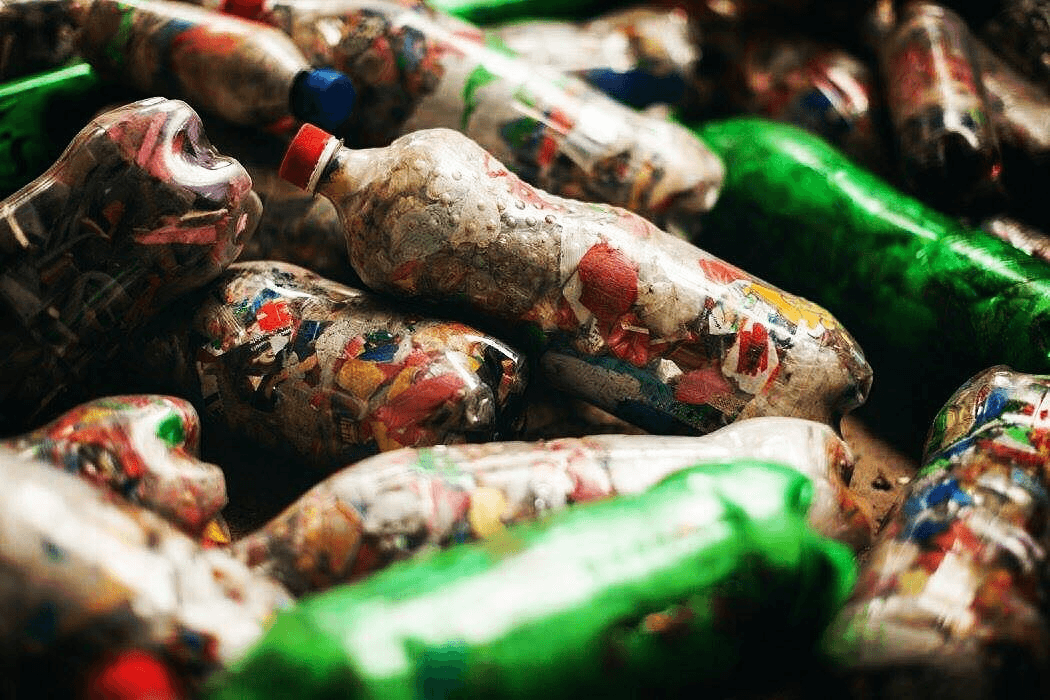
At first glance, ecobricks appear surprisingly simple: plastic bottles tightly packed with non-recyclable plastic waste. But behind this simplicity lies a much larger conversation around waste, consumption, recycling limitations, and circular systems.
Ecobricks are not just about turning waste into building blocks. They represent an attempt to rethink what happens to plastic after consumption and whether waste itself can temporarily become a resource.
According to the United Nations Environment Programme, plastic pollution remains one of the fastest-growing environmental crises globally, with millions of tonnes leaking into ecosystems every year.
What Are Ecobricks?
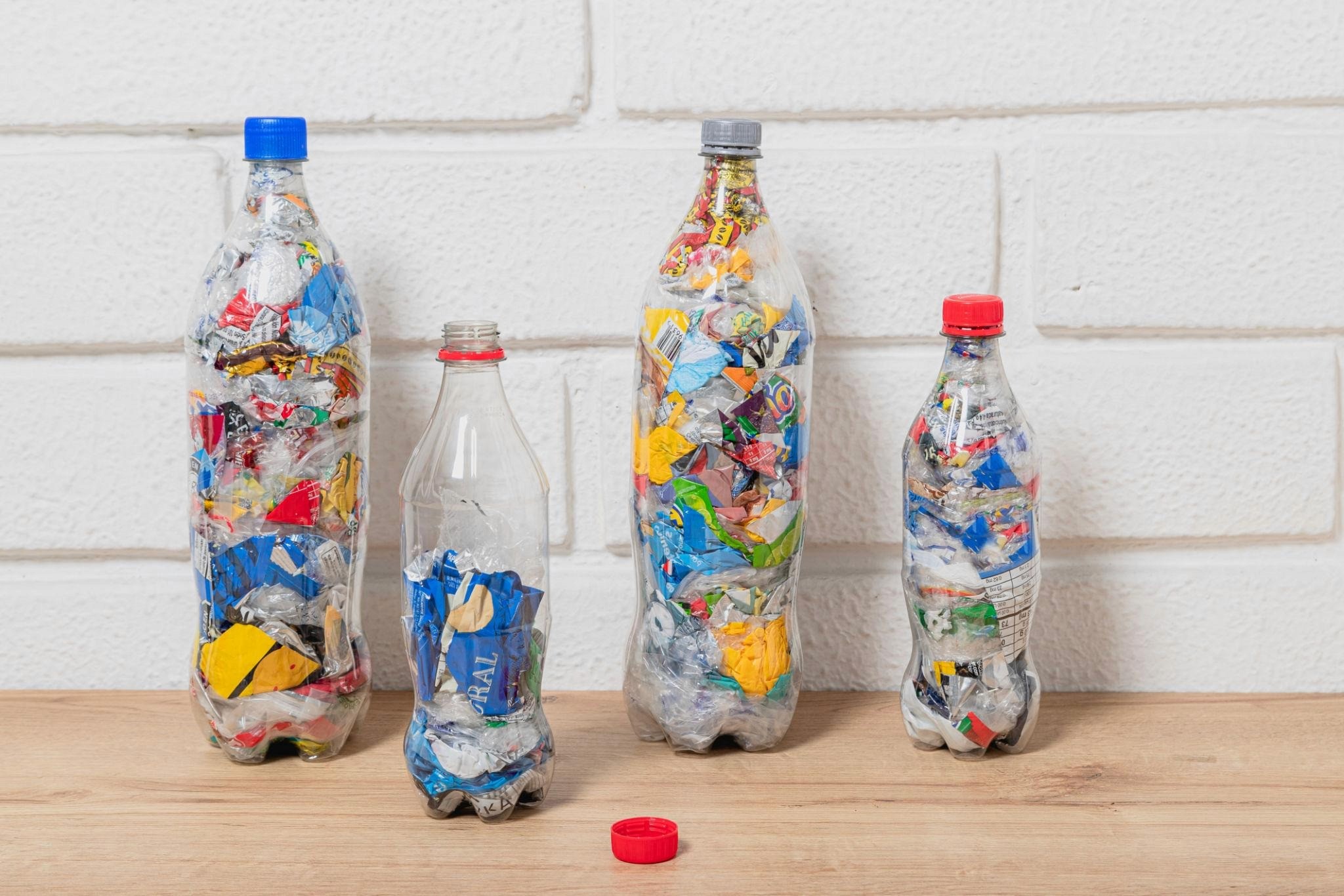
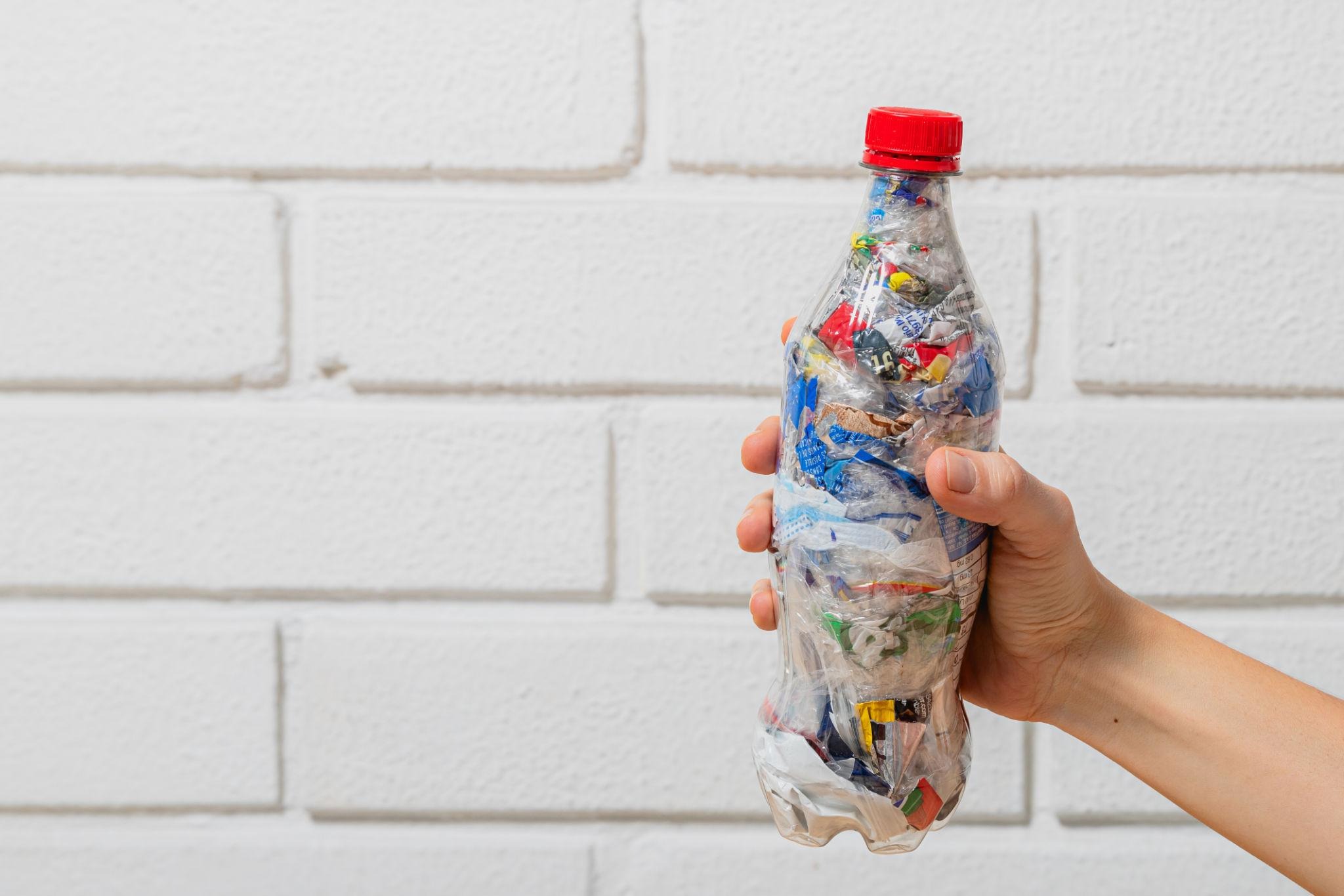
An ecobrick is usually a PET plastic bottle packed tightly with clean and dry non-recyclable plastic waste. Instead of sending difficult-to-recycle plastic into landfills or allowing it to leak into the environment, the waste is compressed into bottles until it becomes dense and rigid.
These bottles can then be used in small-scale construction and design applications such as benches, stools, garden structures, partition walls, and community installations.
Unlike conventional recycling, ecobricks do not break plastic down into a new material. Instead, they focus on containment and reuse. The plastic remains inside the bottle, effectively becoming part of a temporary building block.
This distinction is important because ecobricks emerged not from industrial recycling systems, but from communities trying to manage the kinds of plastic waste that recycling systems often fail to process.
Why Did Ecobricks Emerge?
To understand ecobricks, it is important to first understand the problem they are responding to.
Modern packaging systems generate enormous amounts of low-value plastic waste. Items such as snack wrappers, sachets, multilayer packaging, and plastic films are difficult to recycle because they are lightweight, contaminated, or made of multiple materials fused together.
As a result, much of this waste has limited recycling value. Even when collected, it often ends up in landfills, incinerators, or open environments.
Ecobricks emerged as a localized response to this gap in waste management systems. Instead of allowing plastic waste to disperse into ecosystems, people began storing it inside bottles to create something stable and usable.
In many ways, ecobricks are as much about awareness as they are about waste management. People who make ecobricks often become more conscious of how much non-recyclable plastic they consume in daily life.
How Are Ecobricks Made?
The process of making an ecobrick is relatively straightforward, though it requires patience and consistency.
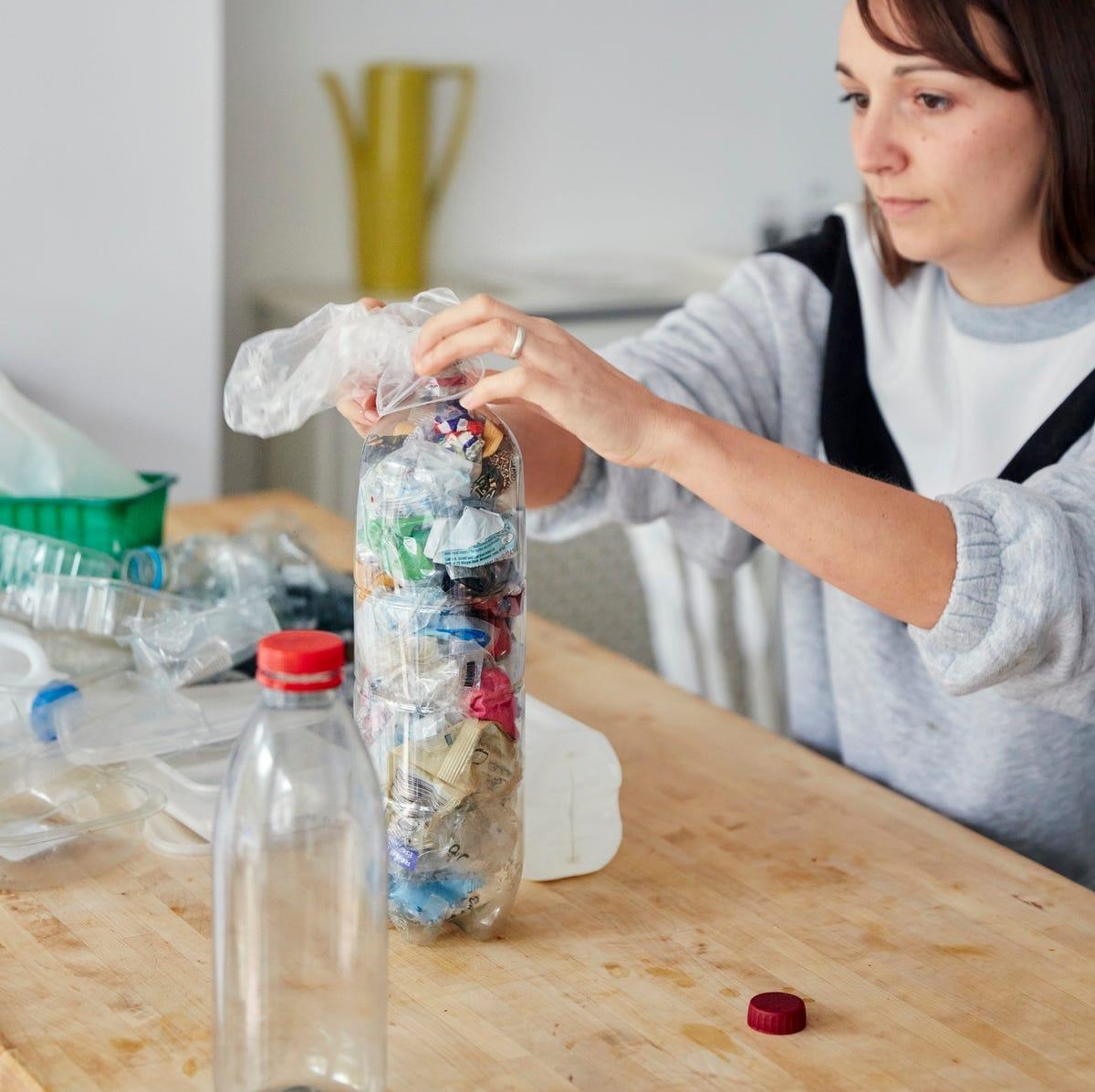
A clean and dry plastic bottle is collected first. Non-recyclable plastic waste such as wrappers, plastic bags, and soft packaging is then cleaned, dried, and inserted into the bottle.
The plastic is compressed tightly using a stick or rod until the bottle becomes dense and firm. Proper compression is important because loosely packed bottles can lose structural stability over time.
Moisture and organic waste are avoided because they can create bacterial growth or gas buildup inside the bottle.
What appears to be a simple DIY activity is actually a reflection of a much larger issue: the sheer volume of plastic waste generated through everyday consumption.
What Kind of Plastic Goes into Ecobricks?
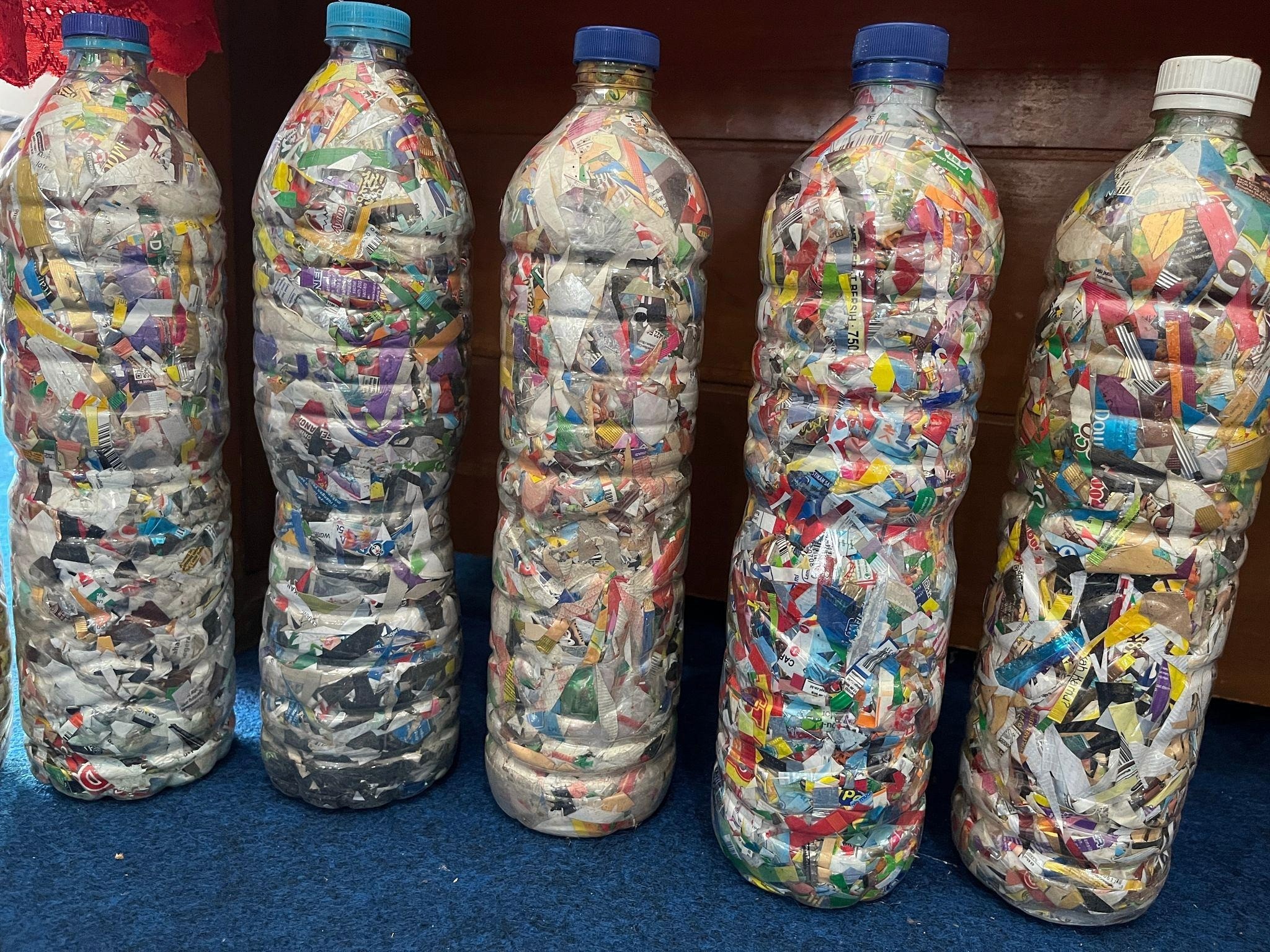
Ecobricks are mainly designed for plastics that conventional recycling systems struggle to process.
This includes:
snack wrappers
multilayer packaging
plastic bags
chip packets
soft plastic films
cling wrap and similar materials
These materials are often referred to as low-value plastics because recycling them is either technically difficult or economically unviable.
By storing these plastics inside bottles, ecobricks attempt to prevent them from becoming scattered environmental waste.
Where Are Ecobricks Used?
Ecobricks are commonly used in small-scale and community-led projects rather than mainstream construction.
They are used to create:
benches and stools
furniture
garden structures
partition walls
educational installations
outdoor seating and decorative structures
In some projects, ecobricks are combined with mud, bamboo, or cement to improve stability.
Their applications are often less about replacing conventional construction materials and more about demonstrating alternative ways of dealing with waste.
The Environmental Debate Around Ecobricks
Ecobricks are often presented as an innovative sustainability solution, but they also raise important environmental questions.
Supporters argue that ecobricks help prevent plastic leakage into the environment while encouraging awareness around waste generation. They also provide localized and low-cost waste management approaches in places where recycling systems are limited.
At the same time, critics point out that ecobricks do not eliminate plastic waste. The plastic still exists inside the bottle and remains part of the waste stream.
There are also concerns around long-term durability, fire safety, and what happens to ecobricks at the end of their own lifecycle.
This is why many sustainability experts view ecobricks not as a permanent solution, but as a transitional or educational intervention within a much larger plastic waste challenge.
Ecobricks vs Recycling
Although ecobricks and recycling both aim to reduce plastic waste, they operate very differently.
Ecobricks | Recycling |
Stores plastic waste | Reprocesses plastic material |
Works for low-value plastics | Works mainly for recyclable plastics |
Community-driven approach | Industrial process |
Focuses on containment | Focuses on material recovery |
Small-scale applications | Large-scale infrastructure |
This comparison highlights an important reality: ecobricks attempt to address a category of waste that conventional recycling systems often struggle to manage effectively.
The Bigger Question: Why Are We Producing So Much Non-Recyclable Plastic?
Ecobricks ultimately point toward a much larger systemic issue.
Modern consumption systems are built around convenience. Products are often wrapped in packaging designed for short-term use but not for long-term recovery. Multilayer plastics and disposable packaging continue to dominate supply chains because they are cheap, lightweight, and efficient for distribution.
This raises an important question: should sustainability focus only on managing waste after it is created, or should it also address how products and packaging are designed in the first place?
Organizations such as the Ellen MacArthur Foundation emphasize the importance of circular systems where materials are designed to remain in use rather than become waste.
In this context, ecobricks are less about construction and more about making plastic waste visible.
Can Ecobricks Be Part of Sustainable Waste Management?
Ecobricks alone cannot solve the global plastic crisis. However, they can play a role within broader sustainability and waste management conversations.
They are particularly useful in:
awareness and education
community engagement
localized waste interventions
temporary material reuse applications
Perhaps their greatest value lies in the way they force people to confront the volume of non-recyclable plastic generated through everyday life.
When individuals physically compress their waste into bottles, plastic consumption becomes impossible to ignore.
Conclusion
Ecobricks represent an interesting response to one of the most difficult aspects of modern waste management: low-value and non-recyclable plastic waste.
By turning plastic waste into temporary building blocks, ecobricks challenge the idea that waste must immediately become pollution. At the same time, they also expose the limitations of current packaging and consumption systems.
The larger lesson of ecobricks may not be about construction at all. It may be about understanding how much waste modern lifestyles generate and why more circular approaches to design, materials, and consumption are urgently needed.

Other articles

We work with individuals, startups, and NGOs dedicated to forging a sustainable future. Tell us about your mission.

