
Every few years, a climate pattern in the Pacific Ocean begins to influence weather across the world. It can affect rainfall, heatwaves, droughts, agriculture, water availability, and even food prices.
This climate pattern is called El Niño.
For India, El Niño matters because the country’s climate and economy are deeply connected to the southwest monsoon. A shift in rainfall timing or intensity can affect crops, reservoirs, groundwater, electricity demand, rural incomes, and inflation.
El Niño is not the same as climate change. It is a naturally occurring climate pattern. However, in a warming world, its impacts can become more serious because heat, rainfall variability, and extreme weather risks are already increasing.
The NOAA Climate.gov ENSO explainer describes El Niño and La Niña as the warm and cool phases of the El Niño–Southern Oscillation, or ENSO, a recurring climate pattern in the tropical Pacific Ocean. The World Meteorological Organization also notes that El Niño events can influence global temperatures and rainfall patterns.
Understanding El Niño is therefore important not only for weather forecasting, but also for climate resilience, agriculture planning, water management, and business risk assessment in India.
What Is El Niño?
El Niño is the warm phase of ENSO. It occurs when sea surface temperatures in the central and eastern tropical Pacific Ocean become warmer than usual.
Under normal conditions, trade winds push warm surface water toward the western Pacific. During El Niño, these winds weaken, allowing warm water to shift eastward. This change affects atmospheric circulation and can influence weather patterns across different parts of the world.
The opposite phase is La Niña, when the same region of the Pacific becomes cooler than usual. Between El Niño and La Niña, the system may remain in a neutral phase.
El Niño does not affect every region in the same way. Its impact depends on its strength, timing, duration, and interaction with other climate systems. In India, its most important connection is with the southwest monsoon.
Why El Niño Matters for India
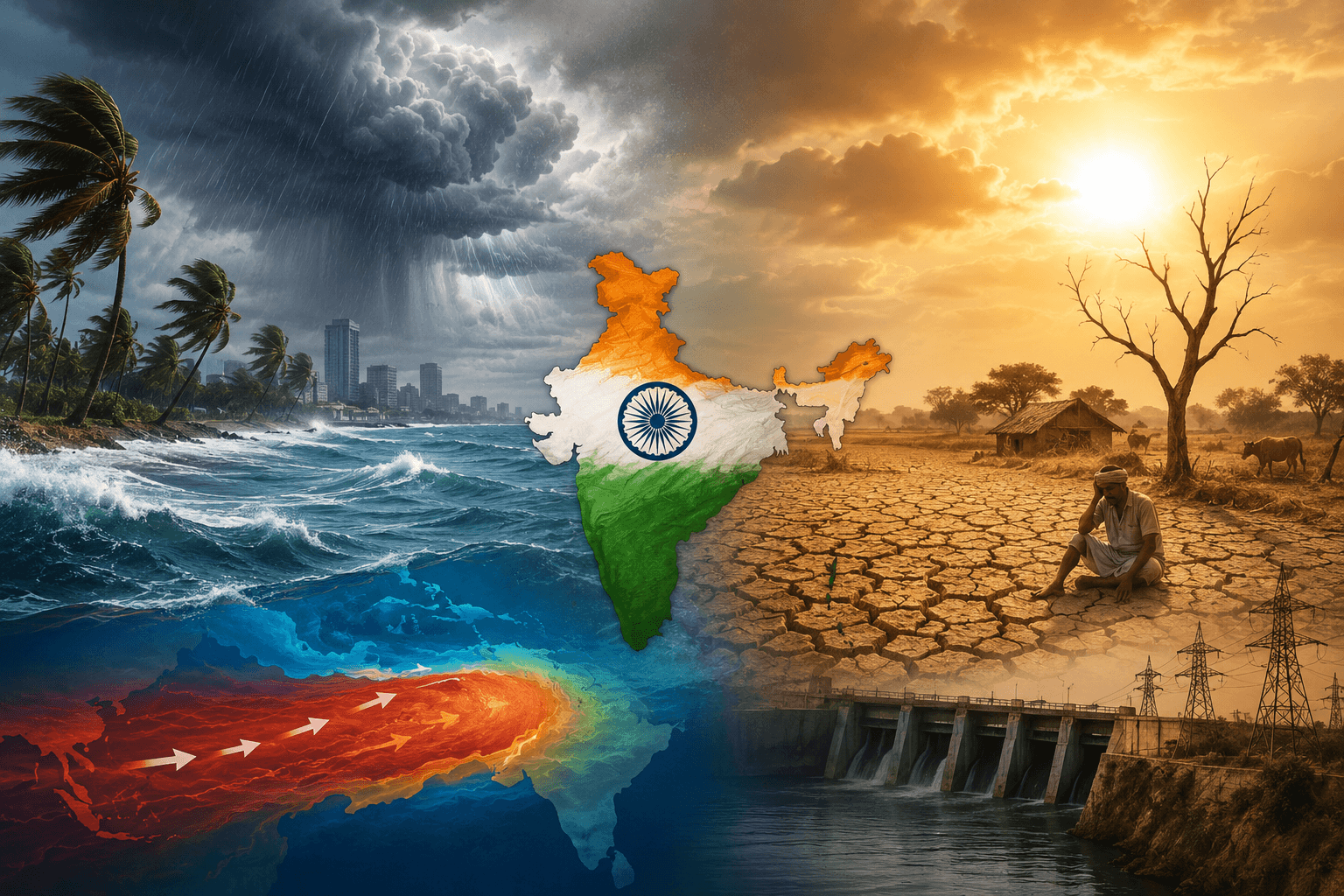
India’s southwest monsoon usually brings most of the country’s annual rainfall between June and September. This rainfall supports agriculture, replenishes reservoirs, recharges groundwater, and influences rural incomes.
According to a Press Information Bureau note on the Indian monsoon, nearly 64 percent of Indians depend on agriculture, which mainly relies on the southwest monsoon. The same note states that only about 55 percent of India’s net sown area is covered by irrigation, leaving a large part of farmland dependent on rainfall.
This is why El Niño is closely watched in India. If it weakens monsoon rainfall or creates long dry spells, the effects can move quickly through agriculture, water systems, energy demand, and the wider economy.
However, El Niño does not automatically mean drought. India’s monsoon is influenced by multiple factors, including the Indian Ocean Dipole, local weather systems, land conditions, and climate variability. Still, El Niño increases risk, and that risk needs to be understood.
How El Niño Affects India’s Monsoon
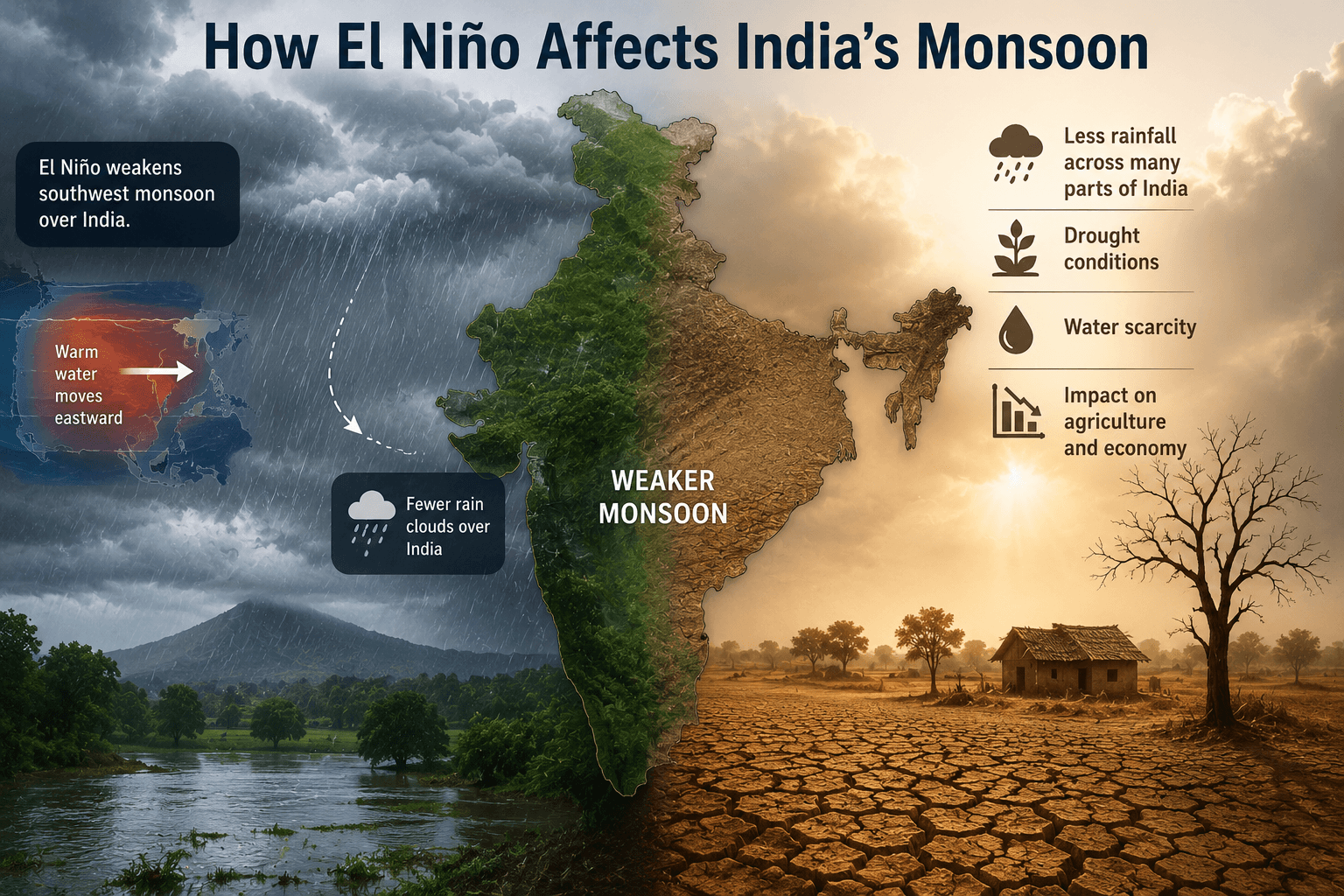
El Niño can weaken the atmospheric circulation patterns that support India’s southwest monsoon. When the Pacific Ocean warms abnormally, it can shift rainfall patterns and reduce the strength of moisture-bearing winds toward the Indian subcontinent.
This may lead to delayed rainfall, weaker monsoon spells, longer dry periods, or uneven rainfall distribution.
The word “uneven” is important. A monsoon season can look normal at the national level, but still create serious local challenges if rainfall is poorly distributed. Farmers need rain at the right time, not just in the right quantity.
Delayed rainfall can affect sowing. Long dry spells can stress crops during critical growth stages. Sudden intense rainfall after dry periods can damage crops, increase runoff, and reduce groundwater recharge.
This is why El Niño is not only about less rain. It is also about uncertainty, timing, and distribution.
Impact on Agriculture and Food Security
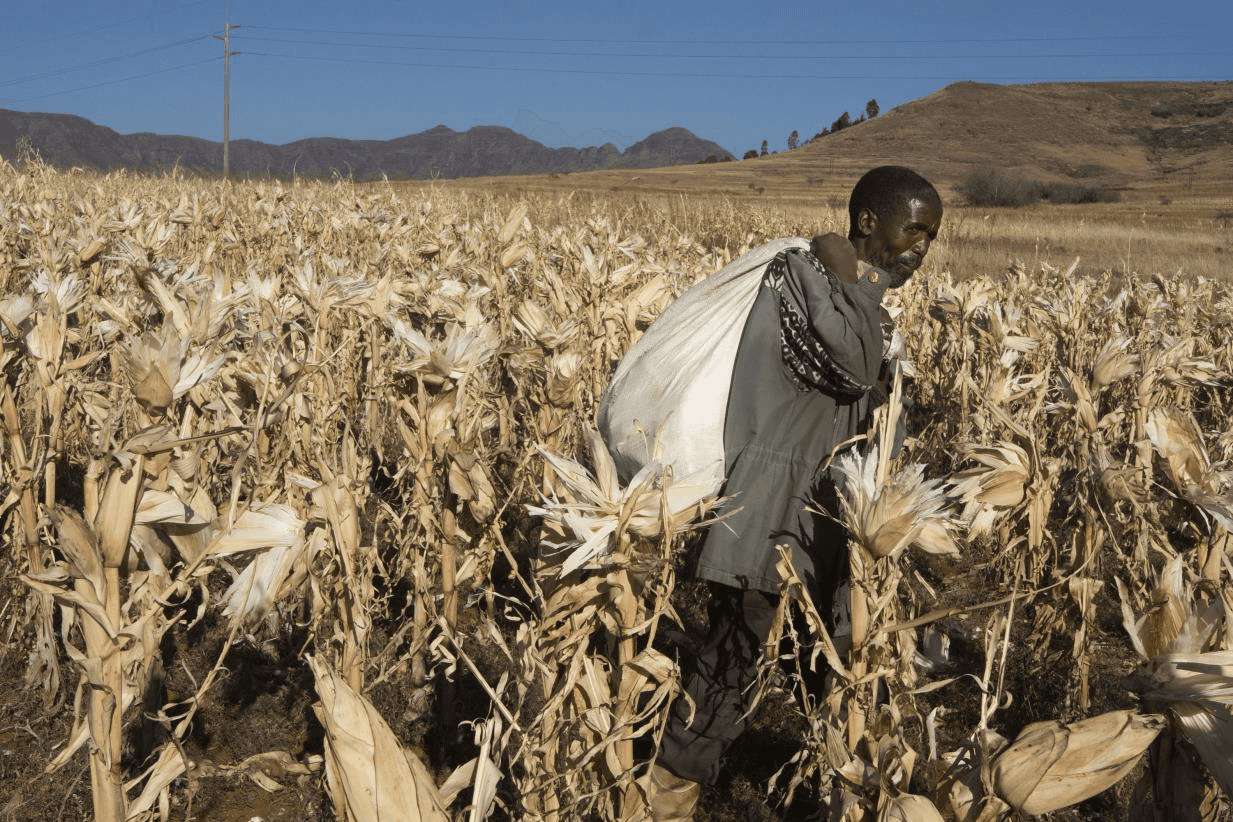
Agriculture is one of the sectors most exposed to El Niño in India.
Kharif crops such as rice, pulses, oilseeds, cotton, and sugarcane depend heavily on monsoon rainfall. If rainfall is delayed or deficient, farmers may face poor germination, crop stress, lower yields, or the need for resowing.
Rainfed regions are especially vulnerable because they have limited irrigation support. When rainfall becomes uncertain, farmers face higher input costs and lower income stability.
The impact can move beyond farms. Lower production of key crops can affect food supply, procurement, and prices. In years of weak rainfall, food inflation can become a concern, especially for vegetables, pulses, and other climate-sensitive crops.
This is why El Niño is also an economic issue. A climate pattern in the Pacific Ocean can eventually influence household budgets in India.
Impact on Heatwaves and Public Health
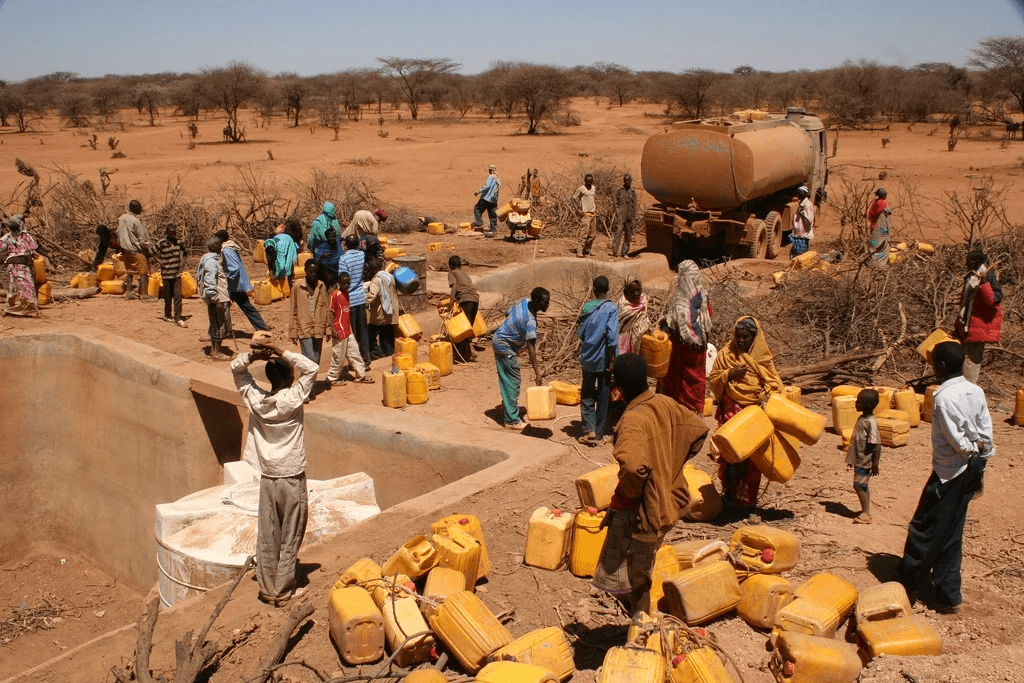
El Niño can also contribute to higher temperatures. When global temperatures are already rising due to climate change, an El Niño year can add another layer of heat stress.
This matters for India because heatwaves are becoming a major public health and productivity risk. Higher temperatures affect outdoor workers, farmers, construction labourers, street vendors, and people living in poorly ventilated homes.
Heat stress can reduce labour productivity, increase health risks, and place pressure on healthcare systems. It can also increase electricity demand as more people rely on fans, coolers, and air conditioning.
The IPCC Sixth Assessment Report highlights that climate change is increasing risks from extreme heat, heavy rainfall, droughts, and other climate-related hazards. El Niño can intensify some of these risks in particular years.
For India, climate resilience must therefore address both rainfall uncertainty and extreme heat.
Impact on Water, Energy, and Cities
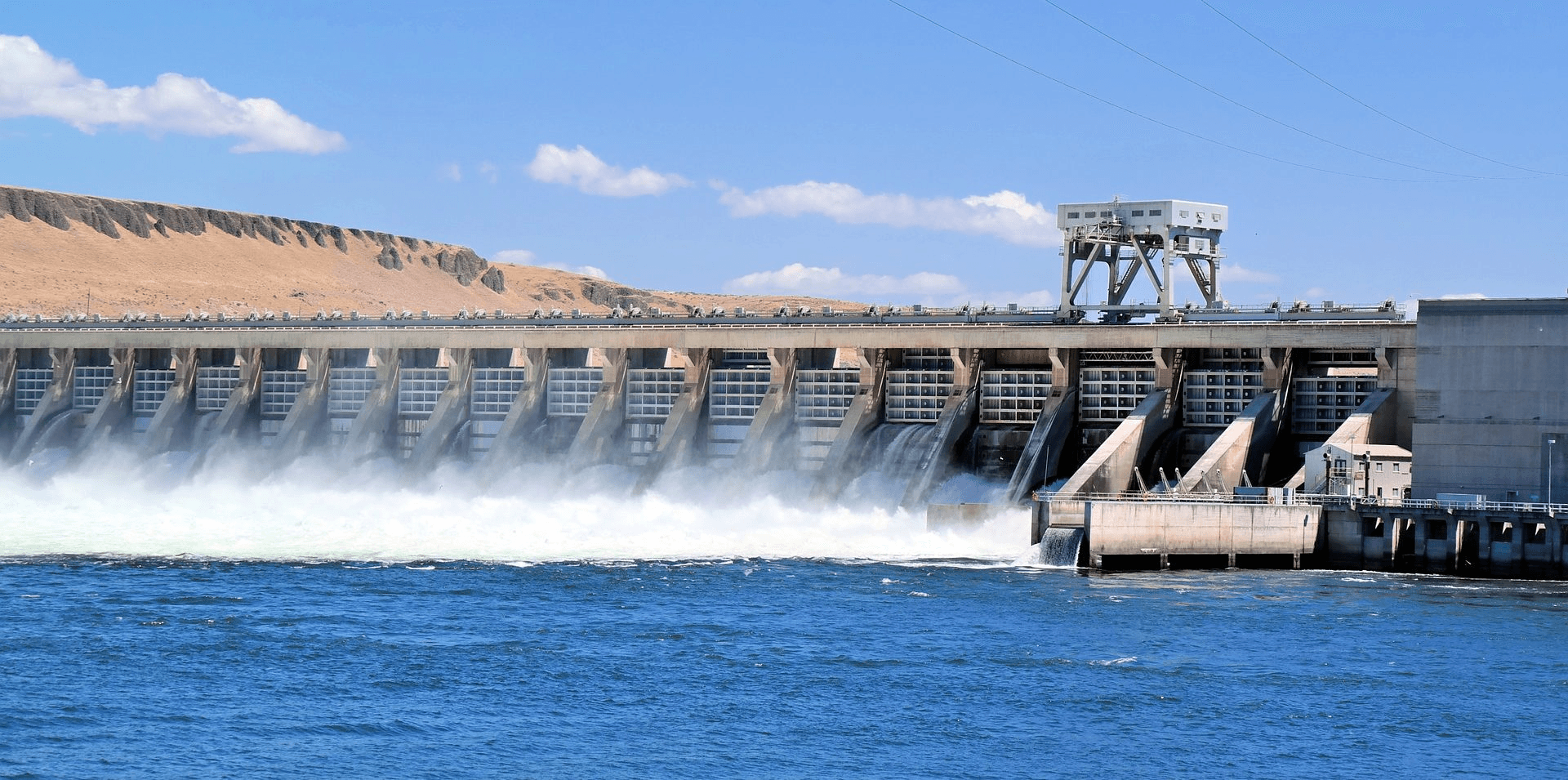
A weaker or uneven monsoon can reduce water availability in reservoirs, lakes, rivers, and groundwater systems. This can affect irrigation, drinking water supply, hydropower generation, and industrial water use.
Urban areas may also feel the pressure. Cities depend on reservoirs and groundwater, and a weak monsoon can increase the risk of water shortages in the following months.
Energy systems are also affected. Hotter conditions increase cooling demand, placing pressure on electricity grids. If reservoir levels fall, hydropower generation may also be affected in some regions.
This shows how climate risks are interconnected. A rainfall disruption can affect farming, water supply, energy demand, public health, and economic stability at the same time.
El Niño Impact on India at a Glance
Area | Possible Impact | Why It Matters |
Monsoon | Delayed or weaker rainfall | Affects agriculture and water availability |
Agriculture | Crop stress and yield uncertainty | Impacts rural incomes and food prices |
Heatwaves | Higher heat stress risk | Affects health and labour productivity |
Water | Reservoir and groundwater pressure | Impacts cities, irrigation, and industry |
Energy | Higher cooling demand | Increases pressure on electricity systems |
Economy | Food inflation and rural demand pressure | Creates wider climate and business risk |
This table shows why El Niño should be understood as a climate-risk issue, not only a weather event.
El Niño Is Not the Only Factor
While El Niño is important, it is not the only factor shaping India’s monsoon.
The Indian Ocean Dipole can influence rainfall patterns over India. Local weather systems, land surface temperatures, and intra-seasonal monsoon patterns also play a role.
This is why not every El Niño year causes a drought in India. Similarly, some non-El Niño years can still produce weak or uneven rainfall.
Climate change adds another layer of complexity. A warmer atmosphere can hold more moisture, which may increase the intensity of extreme rainfall events even when seasonal rainfall is uncertain.
For decision-makers, the message is clear: El Niño is a major signal, but it must be read together with other climate indicators.
Why Climate Resilience Matters
El Niño shows why India needs stronger climate resilience systems.
Preparedness can reduce risk. This includes better seasonal forecasting, district-level crop planning, water storage management, heat action plans, early warning systems, and climate-smart agriculture.
Farmers may need advisories on crop selection, sowing windows, irrigation planning, and pest risks. Cities may need heat preparedness, water conservation measures, and better urban cooling strategies. Businesses may need to assess climate risks across supply chains, energy use, water dependence, and raw material availability.
Nature-based solutions also matter. Urban forests, wetlands, green corridors, soil restoration, and watershed management can improve resilience by reducing heat, enhancing water retention, and supporting ecological balance.
El Niño is temporary, but the need for climate resilience is long-term.
Conclusion
El Niño is a natural climate pattern, but its effects can be far-reaching.
For India, it can influence the monsoon, agriculture, water availability, heat stress, energy demand, and economic stability. It does not guarantee drought, but it increases uncertainty in systems that already depend heavily on climate stability.
The larger lesson is that climate resilience cannot be built only during crisis years. It must be part of how cities, businesses, farms, and institutions plan for the future.
Understanding El Niño helps us understand a bigger truth: sustainability is not only about reducing emissions. It is also about preparing systems to manage climate variability, protect livelihoods, and build resilience in an increasingly uncertain world.
FAQs
1. What is El Niño?
El Niño is a climate pattern where sea surface temperatures in the central and eastern Pacific Ocean become warmer than usual.
2. How does El Niño affect India?
El Niño can affect India’s monsoon, rainfall distribution, agriculture, water availability, heatwaves, and food prices.
3. Does El Niño always cause drought in India?
No. El Niño increases drought risk, but not every El Niño year leads to drought because other climate factors also influence the monsoon.
4. How does El Niño affect the Indian monsoon?
El Niño can weaken monsoon circulation, leading to delayed rainfall, dry spells, or uneven rainfall distribution.
5. Why is El Niño important for Indian agriculture?
Many Indian crops depend on monsoon rainfall, so weak or delayed rainfall can affect sowing, yields, and farmer incomes.
6. Can El Niño increase heatwaves in India?
Yes. El Niño can contribute to higher temperatures and increase heat stress, especially during already warm years.
7. How does El Niño affect water availability?
A weak monsoon during El Niño years can reduce reservoir levels, groundwater recharge, and irrigation water availability.
8. What is the economic impact of El Niño in India?
El Niño can affect crop production, food prices, rural demand, energy use, and overall climate-related business risks.
9. Is El Niño related to climate change?
El Niño is a natural climate pattern, but climate change can intensify heat and extreme weather risks during El Niño years.
10. How can India prepare for El Niño?
India can prepare through better forecasting, crop planning, water management, heat action plans, and climate-resilient infrastructure.

Other articles




We work with individuals, startups, and NGOs dedicated to forging a sustainable future. Tell us about your mission.

