
Plastic pollution has become one of the most visible environmental challenges of our time. From packaging waste in cities to plastic leakage in rivers and oceans, the problem is no longer hidden. It is part of everyday life.
But plastic pollution is not only a waste problem. It is also a design problem, a consumption problem, a collection problem, and a recycling infrastructure problem.
According to the United Nations Environment Programme, around 19 to 23 million tonnes of plastic waste leak into aquatic ecosystems every year. This shows that existing waste systems are struggling to manage the volume and complexity of plastic being produced.
As companies face growing pressure to reduce their plastic footprint, a new market-based tool has gained attention: plastic credits.
Plastic credits are often presented as a way for businesses to support plastic waste collection and recycling projects. In theory, they can help fund waste recovery where infrastructure is weak. But they are also controversial, especially when companies use them to claim “plastic neutrality” without reducing the plastic they produce.
So, can plastic credits really reduce plastic pollution? The answer depends on how they are used.
What Are Plastic Credits?
A plastic credit is a certificate that represents a measured quantity of plastic waste that has been collected, recycled, or prevented from entering the environment.
The idea is similar to carbon credits, but instead of measuring greenhouse gas emissions, plastic credits measure plastic waste recovery.
Under Verra’s Plastic Waste Reduction Standard, one plastic credit represents one metric tonne of plastic waste that has been collected or recycled. Verra identifies two main types of plastic credits: Waste Collection Credits and Waste Recycling Credits.
In simple terms, plastic credits are designed to create financial value for plastic waste recovery. Companies purchase these credits, and the money is intended to support projects that collect, sort, recycle, or recover plastic waste.
For example, a company using plastic packaging may buy credits from a verified project that collects plastic waste from coastal communities or improves recycling systems. The goal is to direct funding toward plastic waste management activities that may not otherwise be financially viable.
How Do Plastic Credits Work?
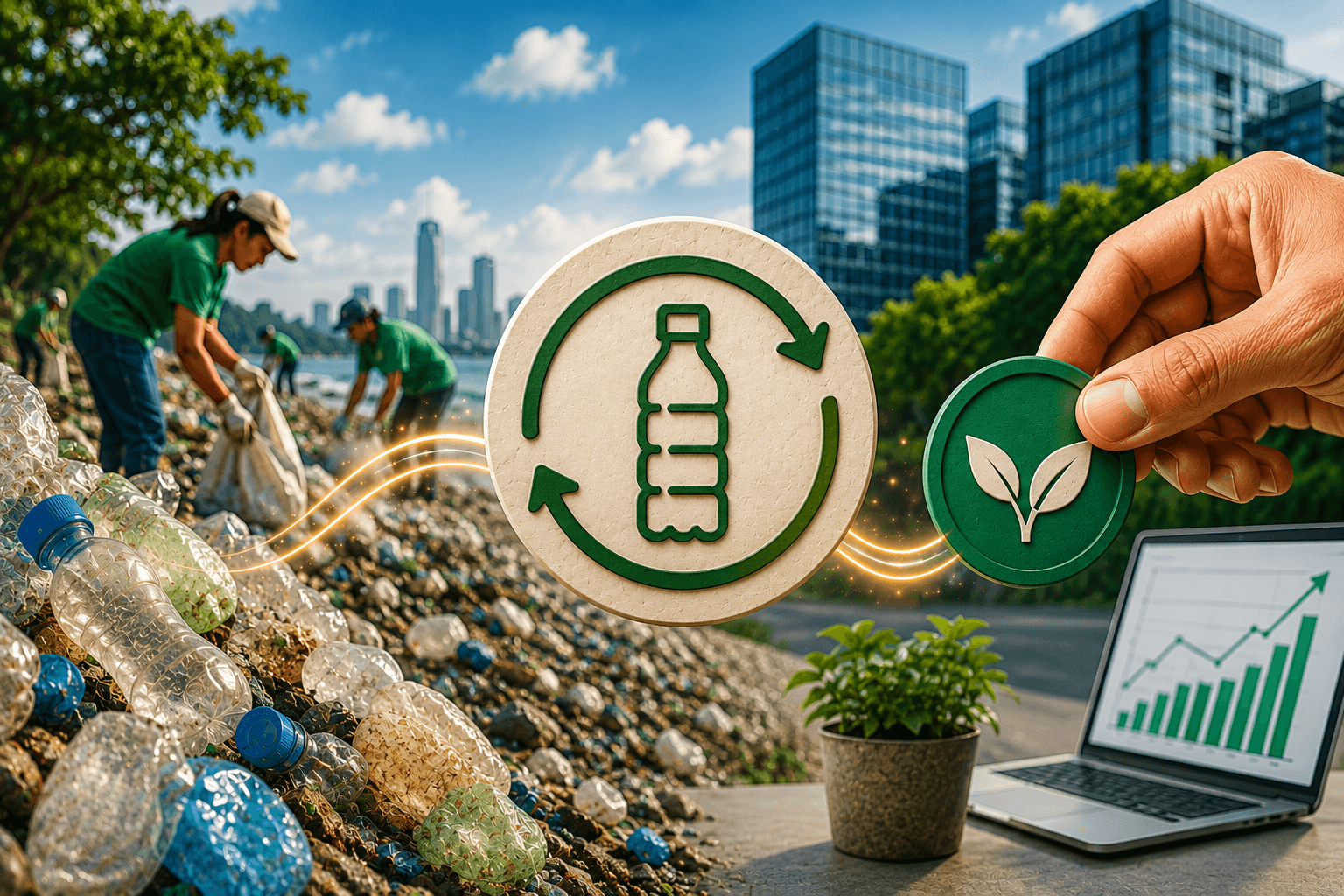
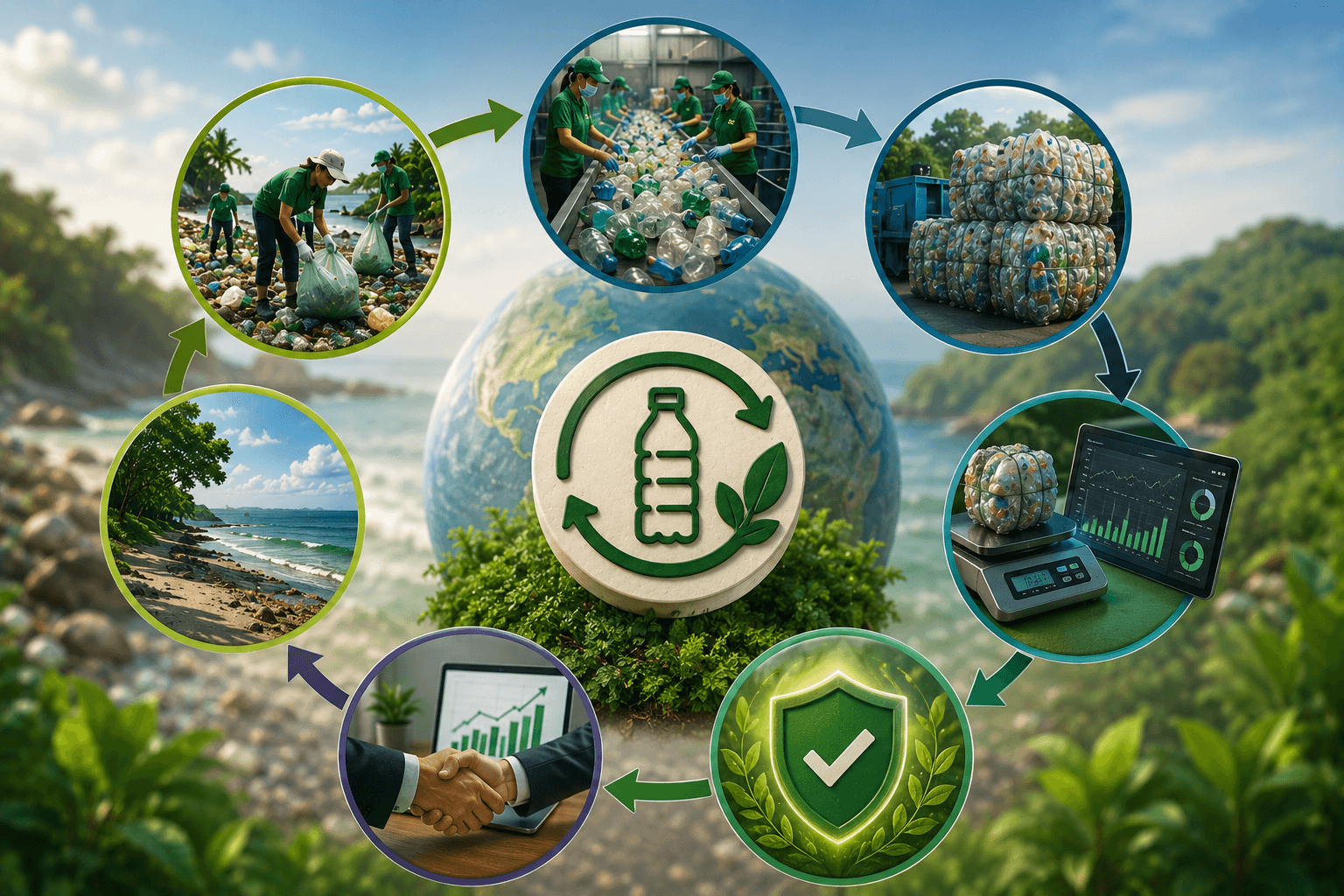
Plastic credits usually follow a structured process.
First, a waste collection or recycling project collects plastic waste or prevents it from entering the environment. This could include collecting ocean-bound plastic, improving recycling infrastructure, or supporting community-level waste management.
Next, the quantity of plastic waste handled by the project is measured and verified. Verification is important because credits must represent real and measurable action.
Once verified, credits are issued. Companies can then purchase these credits to support the project. The funds generated are meant to improve collection, recycling, infrastructure, and sometimes livelihoods connected to waste work.
At their best, plastic credits can help bring funding into under-resourced waste systems. However, their impact depends heavily on transparency, quality, and how companies use them.
Why Are Companies Interested in Plastic Credits?
Companies are becoming more aware of their plastic footprint. Consumers, investors, regulators, and civil society are asking businesses to take greater responsibility for the plastic they put into the market.
Plastic credits appeal to companies because they offer a way to support waste recovery beyond their own operations. They can help fund projects in areas where plastic leakage is high and waste infrastructure is limited.
They may also help companies address plastic they cannot eliminate immediately. In many industries, plastic packaging is still used because it is lightweight, affordable, and functional. Plastic credits are sometimes used while companies work on longer-term changes such as redesign, reuse, or better recyclability.
However, this is where the risk begins. If credits are used instead of reducing plastic use, they can become a tool for greenwashing.
A responsible plastic strategy should start with reducing unnecessary plastic, redesigning packaging, increasing reuse, and improving recyclability. Plastic credits should only be used for the remaining plastic footprint that cannot yet be avoided.
Plastic Credits vs Carbon Credits
Plastic credits are often compared to carbon credits, but they measure different things.
Aspect | Plastic Credits | Carbon Credits |
What they measure | Plastic waste collected or recycled | Greenhouse gas emissions reduced or removed |
Common unit | One tonne of plastic waste | One tonne of CO₂ equivalent |
Main purpose | Support plastic waste recovery | Support climate mitigation |
Key risk | Plastic neutrality claims without reduction | Carbon offsetting without emission cuts |
Best use | After reducing and redesigning plastic use | After reducing emissions first |
Both systems face similar questions. Are the credits real? Are they verified? Are they additional? Are companies using them responsibly?
The credibility of any credit system depends on these answers.
The Problem with “Plastic Neutrality”
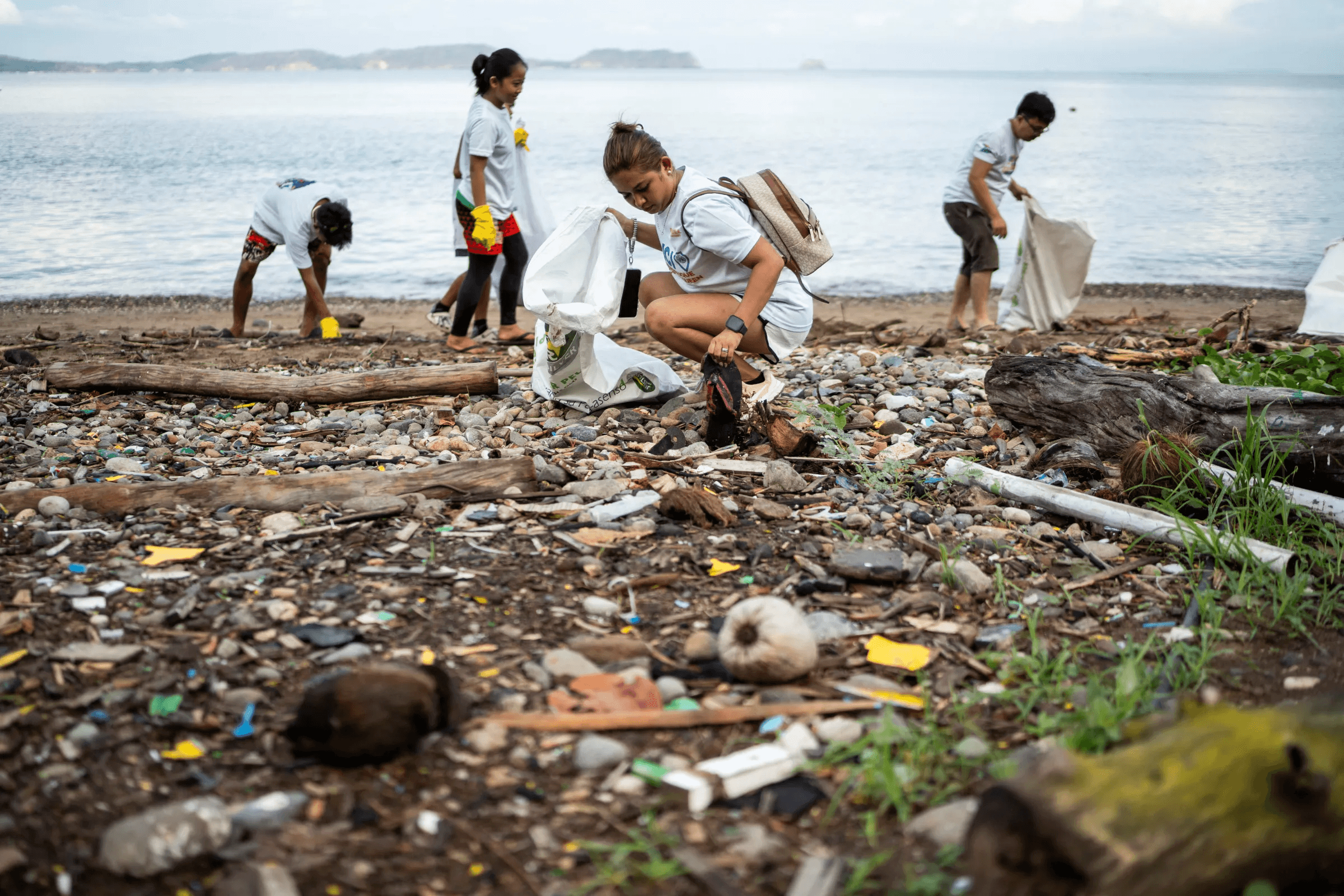
One of the most controversial uses of plastic credits is the claim of “plastic neutrality.”
A company may calculate the amount of plastic it uses and buy an equivalent number of credits to claim that it has balanced its plastic footprint. On the surface, this may sound positive. But buying credits does not automatically mean the company has reduced the plastic it produces.
The World Wildlife Fund’s position on plastic crediting and plastic neutrality is cautious. WWF states that purchasing plastic credits is not sufficient action for a company to address plastic pollution and should not enable business-as-usual behaviour.
This is an important point.
Plastic credits should not become permission to continue producing unnecessary, non-recyclable, or problematic plastic. They should support recovery only after serious efforts have been made to reduce plastic at the source.
When Can Plastic Credits Be Useful?
Plastic credits can be useful when they are part of a responsible plastic stewardship strategy.
They can help fund waste collection in areas where plastic leakage is high. They can support recycling systems for materials that have low market value. They can also help create income opportunities for waste workers and community-led waste initiatives.
Credits can be especially relevant for difficult-to-collect or low-value plastics, where conventional recycling systems may not be financially viable.
However, quality matters. A credible plastic credit should be measurable, verified, traceable, and additional. Additionality means the plastic collection or recycling activity would not have happened without the credit project.
Plastic credit projects should also consider social safeguards, especially when informal waste workers are involved. Waste workers are essential to many recycling systems, and projects must ensure fair and safe working conditions.
What Should Businesses Do Before Buying Plastic Credits?
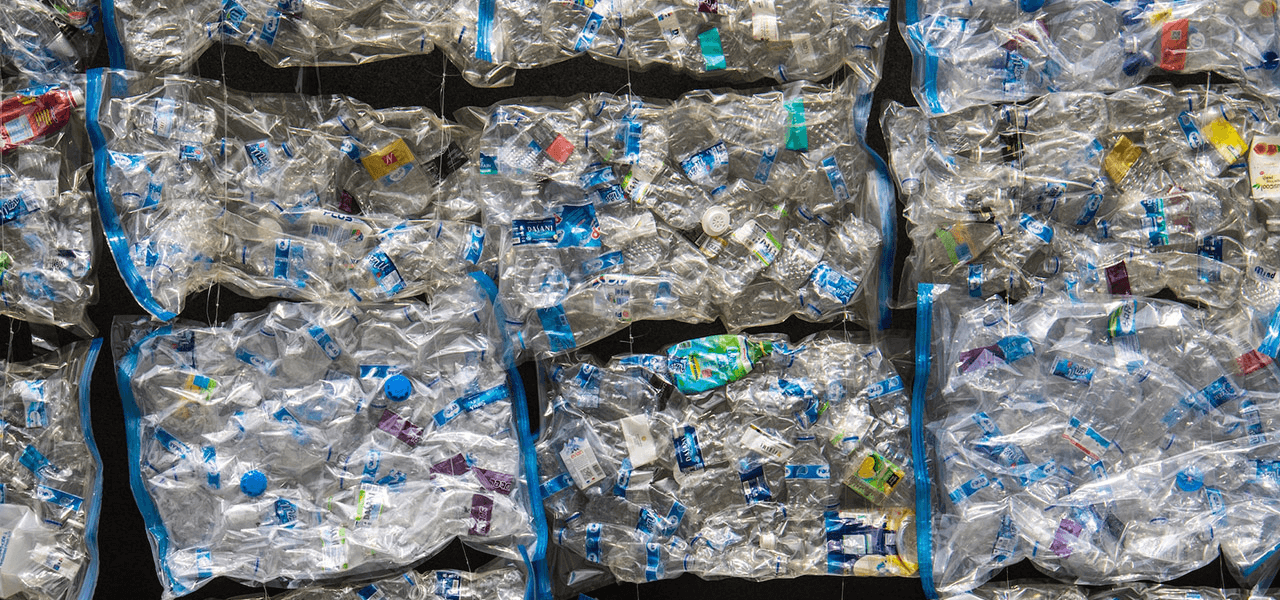
Before buying plastic credits, companies should follow a clear hierarchy.
The first step is to measure their plastic footprint. Businesses need to understand how much plastic they use, what type of plastic it is, where it is used, and what happens to it after use.
The second step is reduction. Companies should eliminate unnecessary plastic wherever possible.
The third step is redesign. Packaging and products should be designed for reuse, recyclability, or responsible recovery.
The fourth step is improving systems. This may include increasing recycled content, supporting better collection infrastructure, working with recyclers, and improving end-of-life management.
Only after these steps should credits be considered for residual plastic impact.
The 3R Initiative’s Guidelines for Corporates describe corporate plastic stewardship as a framework that includes footprint accounting, mitigation, and commitments toward reducing plastic waste and improving circularity.
This is the right way to understand plastic credits. They are not the first step. They are a supporting tool.
A Better Plastic Action Hierarchy
Priority | Action | Why It Matters |
1 | Reduce unnecessary plastic | Prevents waste before it is created |
2 | Redesign packaging | Makes materials reusable or recyclable |
3 | Reuse wherever possible | Reduces single-use consumption |
4 | Improve recycling systems | Keeps materials in circulation |
5 | Use plastic credits carefully | Supports recovery of remaining plastic impact |
This hierarchy helps avoid the mistake of treating credits as the main solution. Plastic credits may have a role, but only after businesses have reduced, redesigned, and improved their own systems.
Can Plastic Credits Really Reduce Plastic Pollution?
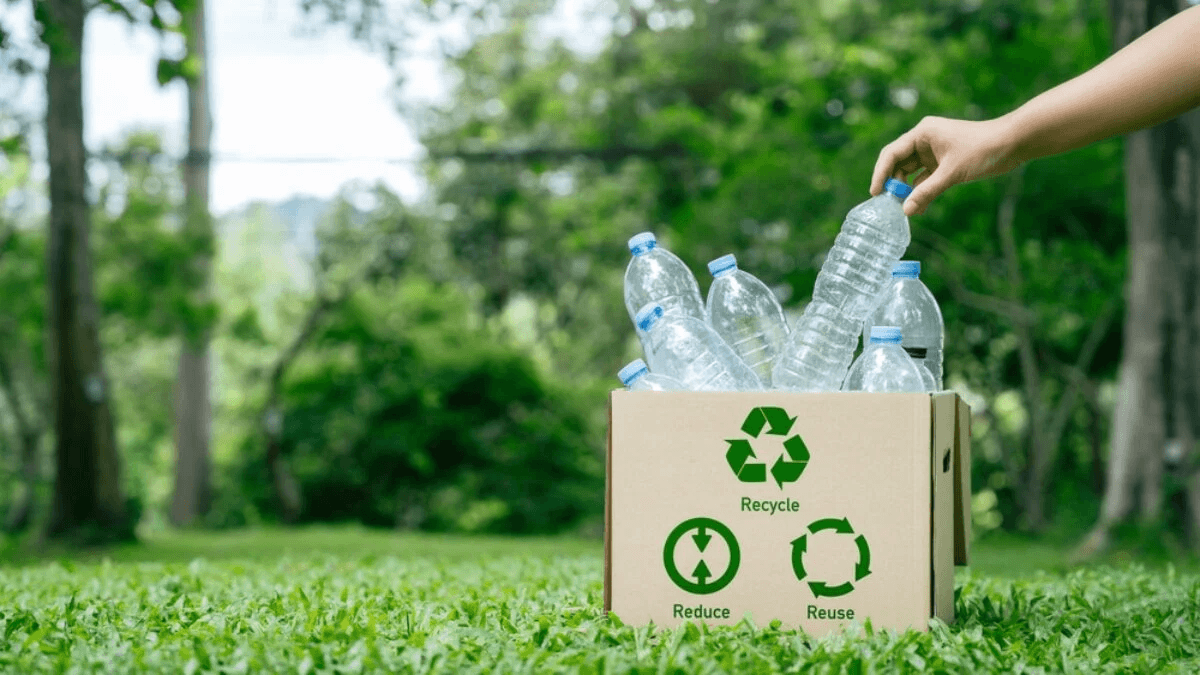
Plastic credits can reduce plastic pollution in specific contexts. They can help fund collection, support recycling projects, improve waste recovery, and create visibility around plastic footprints.
But they cannot solve plastic pollution on their own.
They do not automatically reduce plastic production. They do not guarantee better product design. They do not eliminate single-use consumption. They also do not replace the need for strong waste management systems and regulation.
Their value depends on how they are used.
If plastic credits are used as a shortcut to claim sustainability without reducing plastic use, they become part of the problem. If they are used responsibly within a larger strategy of reduction, redesign, reuse, and recycling, they can support better plastic management.
Conclusion
Plastic credits are one of the emerging tools in the fight against plastic pollution. They can help direct funding toward waste collection and recycling projects, especially in regions where plastic leakage is high and infrastructure is weak.
But they are not a silver bullet.
For businesses, the responsible path begins with understanding and reducing their own plastic footprint. Plastic credits should come after reduction, redesign, reuse, and better recycling systems.
The future of plastic action will not depend on credits alone. It will depend on whether companies, policymakers, and communities can build systems where plastic is used more responsibly, recovered more effectively, and designed with circularity from the start.
FAQs
1. What are plastic credits?
Plastic credits are certificates representing a measured amount of plastic waste collected, recycled, or prevented from entering the environment.
2. How do plastic credits work?
Plastic credits fund verified projects that collect or recycle plastic waste, usually measured in tonnes.
3. What is one plastic credit equal to?
In many standards, one plastic credit represents one metric tonne of plastic waste collected or recycled.
4. Why do companies buy plastic credits?
Companies buy plastic credits to support plastic waste recovery projects and address part of their plastic footprint.
5. Are plastic credits the same as carbon credits?
No. Plastic credits measure plastic waste recovery, while carbon credits measure greenhouse gas reductions or removals.
6. What is plastic neutrality?
Plastic neutrality is a claim that a company has balanced its plastic footprint by funding equivalent plastic waste recovery.
7. Are plastic credits good for the environment?
Plastic credits can support waste recovery, but only when used alongside plastic reduction, reuse, and better packaging design.
8. Can plastic credits solve plastic pollution?
No. Plastic credits cannot solve plastic pollution alone; they are only one tool within a larger plastic reduction strategy.
9. What are the risks of plastic credits?
Key risks include greenwashing, weak verification, poor traceability, and companies avoiding real plastic reduction.
10. What should businesses do before buying plastic credits?
Businesses should first measure, reduce, redesign, reuse, and improve recycling before using credits for residual plastic impact.

Other articles

We work with individuals, startups, and NGOs dedicated to forging a sustainable future. Tell us about your mission.

