The slow, difficult, and deeply human journey of Suspack Technologies
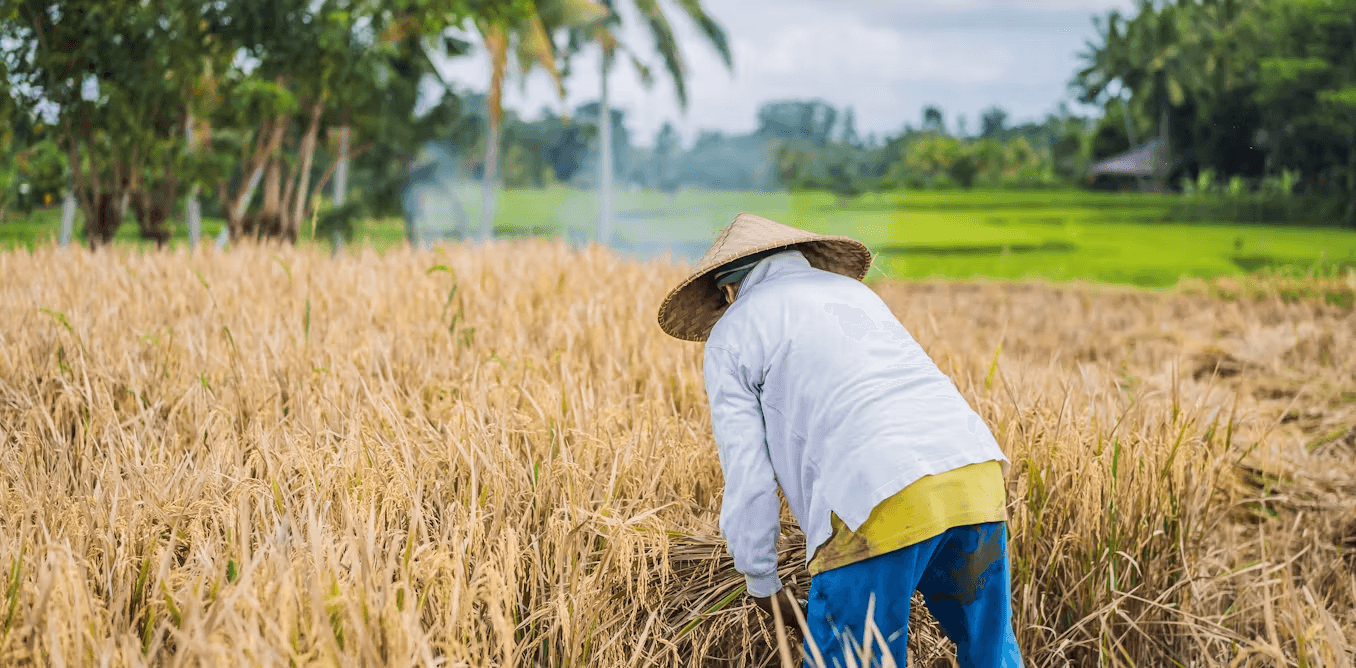
Every winter, the same images return. Fields across Punjab and Haryana go up in smoke. The air in North India turns grey, flights are cancelled, schools shut down, and headlines blame farmers—again.
But what rarely gets asked is a quieter question:
What if this straw was never waste to begin with?
For Suspack Technologies, that question is not theoretical. It is the foundation of everything they are building.
A Scientist Who Followed the Material, Not the Market
Mriganka Saha did not arrive at sustainable packaging through branding or trend analysis. His journey began in laboratories and fieldwork, long before words like “eco-friendly” and “green alternatives” became mainstream.
Trained in biotechnology, he completed his undergraduate studies in Kolkata before moving to IIT Guwahati for a research-based master’s degree in energy. His academic work focused on biofuels and value-added products derived from lignocellulosic biomass—specifically, extracting fuels and materials from bamboo debarking waste.
Looking back, he describes that phase simply as working with matter at its most basic level.
“My master’s thesis was on making biofuels and value-added products from lignocellulosic biomass. I was working on extracting lignin, cellulose, and making different products out of waste materials.”
Mriganka Saha – Suspack technol…
That curiosity around waste never left him.
When a Workshop Changed the Direction
Near the end of his master’s degree, Mriganka attended a month-long programme by the Honey Bee Network and SRISHTI in Ahmedabad. There, he met Ankur Kumar, who was working on converting rice straw into molded tableware.
It was not a polished startup. It was a problem being explored in real time.
Rice straw—abundant, cheap, and environmentally destructive when burned—was being treated as a raw material. Not fuel. Not waste. A resource.
That encounter pulled Mriganka into the world of applied sustainability. He joined Kriya Labs as the R&D head, working on separating rice straw into its core components and experimenting with products ranging from tableware to textiles.
But progress was fragile. COVID lockdowns disrupted operations, teams scattered, and eventually the company shut down.
What remained was not failure—but clarity.
When Technology Exists Only on Paper, Trust Is Impossible
After Kriya Labs, Mriganka spent over a year consulting across the molded-fiber and tableware sector. He worked with factories, machine fabricators, and production units, slowly understanding why so many promising ideas never reached the market.
The problem, he realised, was not intent.
It was belief.
“If the technology is not present physically, if the product is not commercially available, it is very difficult to make people believe in it.”
Mriganka Saha – Suspack technol…
That realisation led to the birth of Suspack Technologies. Initially structured as a technology-licensing company, it soon evolved into a manufacturing-led startup for one simple reason: people trust what they can touch.
Building Something Real, One Grant at a Time
With support from the Startup India Seed Fund and incubation at the Central University of Punjab’s R&D Foundation, Suspack began building again—slowly, deliberately, and with limited resources.
A pilot unit was planned in Bathinda. The first pulping unit was installed. Molding machines were designed, fabricated, and assembled piece by piece. Every step took longer than expected.
And every delay carried a cost.
“To develop hardware-based technologies, you need machines, labs, and money. One molding machine alone cost us around fifteen lakh rupees.”
Mriganka Saha – Suspack technol…
Unlike software startups, iteration here was physical. Every improvement required metal, labour, electricity, and space.
From Fields to Plates: Making the Invisible Visible
Suspack’s process begins long before a plate is molded.
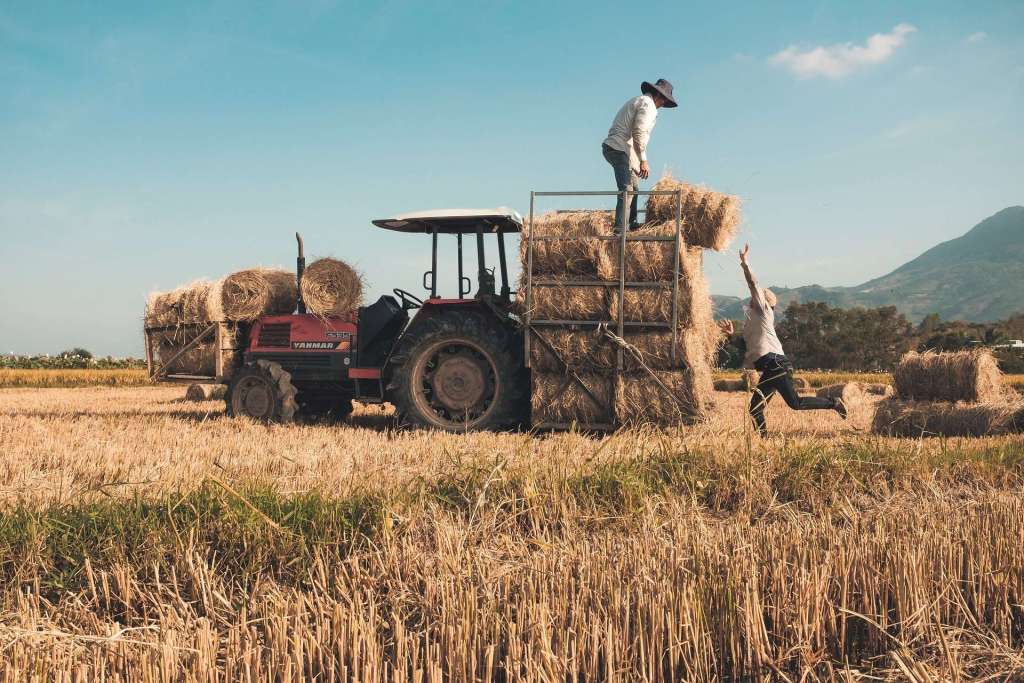
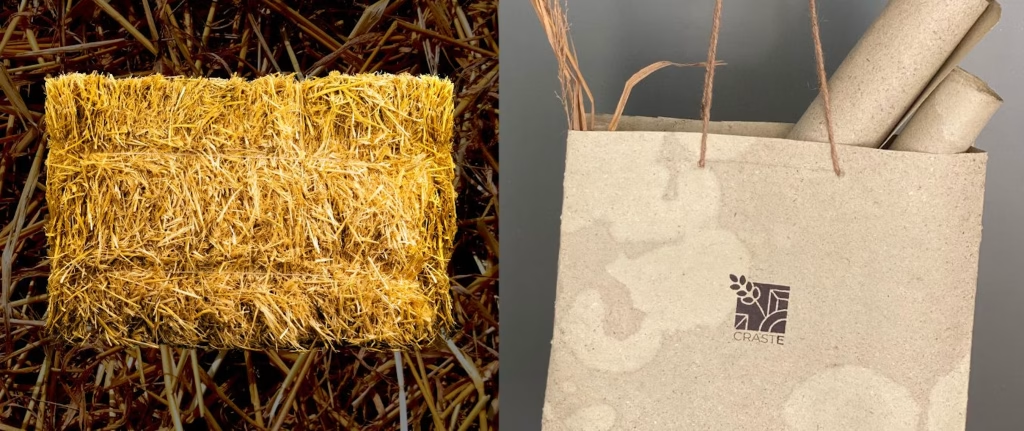
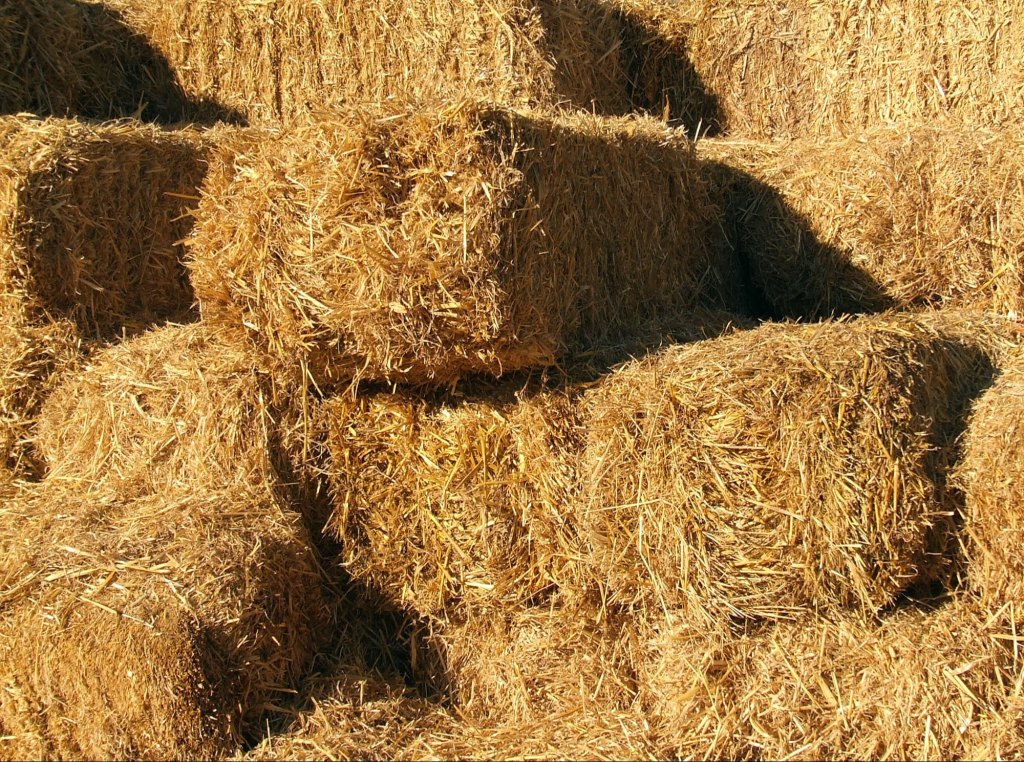
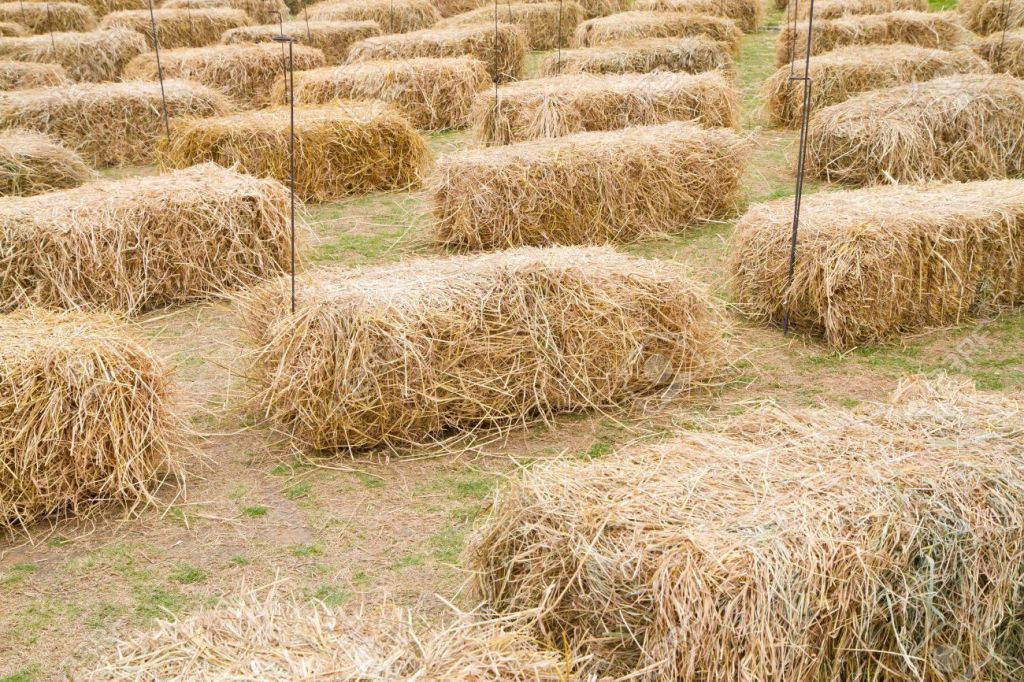
Rice straw is baled after harvest, purchased directly from farmers or stockists, and stored for year-round use. It is chopped, cleaned, cooked, softened, and converted into pulp. That pulp is washed thoroughly before being shaped through thermo-forming into plates, bowls, and containers.
There are no plastic additives. No coatings. No chemical shortcuts.
“We want to position rice straw not as waste, but as a raw material for food packaging.”
Mriganka Saha – Suspack technol…
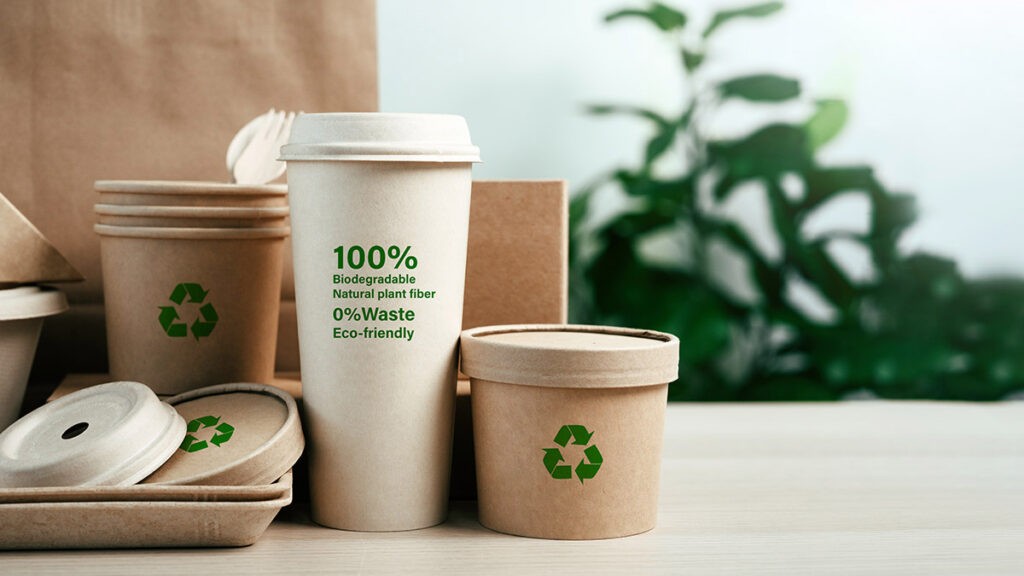
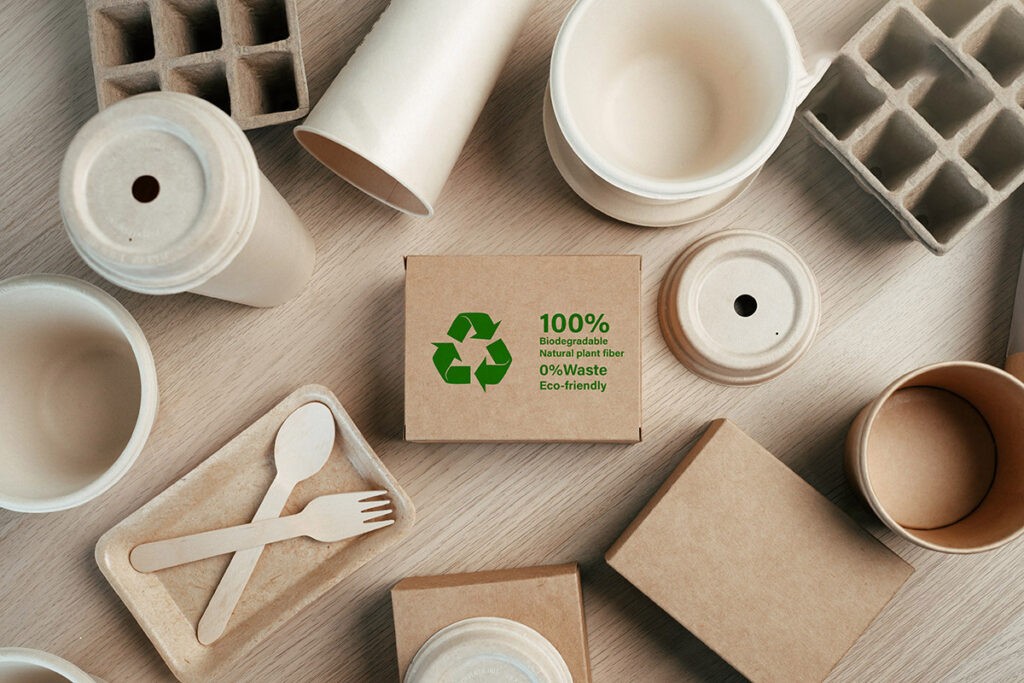
The result is molded-fiber tableware that can safely hold hot or oily food, biodegrade naturally, or even be composted at home.
And perhaps most importantly—it does not leave behind microplastics.
Solving Two Problems with One Material
Rice straw burning contributes significantly to seasonal air pollution in North India. Single-use plastic packaging contributes to long-term health and environmental risks.
Suspack’s approach connects both.
“With one product, we are trying to solve air pollution from straw burning and provide an alternative to single-use plastics at the same time.”
Mriganka Saha – Suspack technol…
This dual impact is not accidental. It is designed.
By making packaging from an existing agricultural residue, Suspack avoids land-use conflicts, reduces open-field burning, and replaces plastics already present in the food supply chain.
The Price Question No One Can Ignore
Sustainability in India fails the moment it becomes expensive.
Mriganka is clear about this reality. Adoption depends on price, not ideology.
“We worked very hard to make the product cost-effective. Our plates will be priced comparable to existing alternatives in the market.”
Mriganka Saha – Suspack technol…
A pack of rice-straw plates priced alongside plastic or thermocol options is not a premium choice—it is a practical one. That, he believes, is where scale begins.
Why India Is the Hardest—and Best—Market
Many founders look outward first. Mriganka does the opposite.
“If we can sell it in India, we can sell it anywhere.”
Mriganka Saha – Suspack technol…
India’s customers are price-sensitive, quality-demanding, and unforgiving. A product that survives here is not fragile—it is resilient. And once manufacturing scales, international markets become a question of logistics, not validation.
The Honest Truth About Hardware Startups
Suspack has not scaled yet. Mriganka does not pretend otherwise.
“Until the product is in people’s hands, everything is still on paper. No one believes until they see it working.”
Mriganka Saha – Suspack technol…
This honesty runs through the entire journey. Many companies have tried rice-straw tableware before. Some failed. Others stalled.
What separates persistence from abandonment is not certainty—but endurance.
A Message to Those Who Want to Build
Eco friendly paper tableware and packaging made from biodegradable materials. zero waste and recycling concept. Green package or disposable for sustainable environmental and environmental protection
For those watching from the sidelines, waiting for perfect clarity before starting, Mriganka’s advice is grounded and unsentimental.
“You have to first make it. Then you iterate. If it doesn’t get adopted, it means the solution needs more work. You cannot stop in between.”
Mriganka Saha – Suspack technol…
Sustainability, he believes, is not built through declarations. It is built through repeated attempts to make something work in the real world.
The Quiet Discipline of Personal Choices
Eco friendly paper tableware and packaging made from biodegradable materials. zero waste and recycling concept. Green package or disposable for sustainable environmental and environmental protection
Outside the factory, Mriganka practices what he can. He avoids plastics where alternatives exist. He reuses bags. He chooses biodegradable products when available.
Not perfectly. But consciously.
“If there is a sustainable alternative available, I choose it. If not, we do what we can.”
Mriganka Saha – Suspack technol…
Why This Story Matters
Suspack Technologies is not a finished story. It is still becoming.
But its journey reveals something essential: sustainability is not a straight line. It is slow, capital-intensive, uncertain, and often lonely. Especially when it involves hardware, manufacturing, and physical systems.
Yet, if rice straw can move from being burned in fields to serving food on plates—without plastic, without pollution—then perhaps the idea of “waste” itself needs rethinking.
Sometimes, the most powerful climate solutions are not revolutionary.
They are practical. Local. And built patiently, one product at a time.

Other articles

We work with individuals, startups, and NGOs dedicated to forging a sustainable future. Tell us about your mission.

