

- All articles
What Is Affecting Delhi AQI (Air Quality Index)? Causes, Impacts & Solutions
By Ketul
Updated 08 Sep, 2024
10 min read
Contents
Main Menu
Introduction: Why Delhi AQI Is a Global Concern
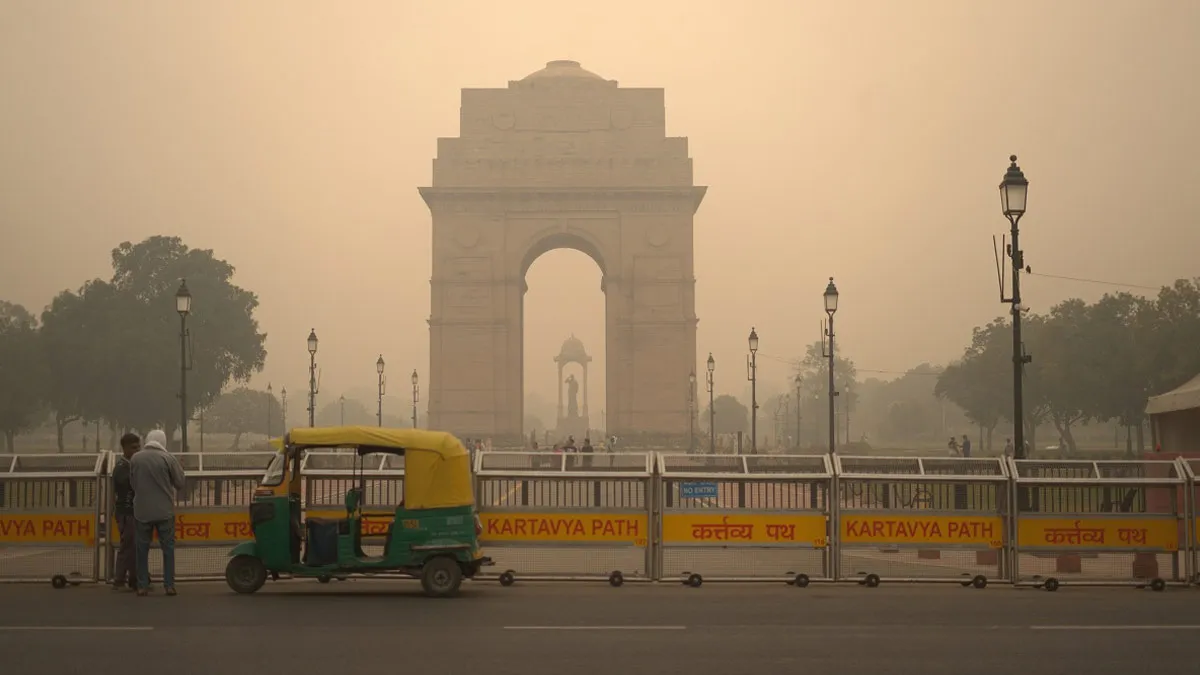
The Delhi AQI has become synonymous with hazardous urban air pollution. AQI, or Air Quality Index, indicates how polluted the air is and the health risks associated with breathing it. Delhi often records AQI levels in the Very Poor to Severe range, making it one of the most polluted capitals in the world. According to air pollution in Delhi, rapid urbanisation, population growth, and high dependence on fossil fuels have turned air pollution into a year-round public health emergency.
What Is AQI and How Is It Measured?
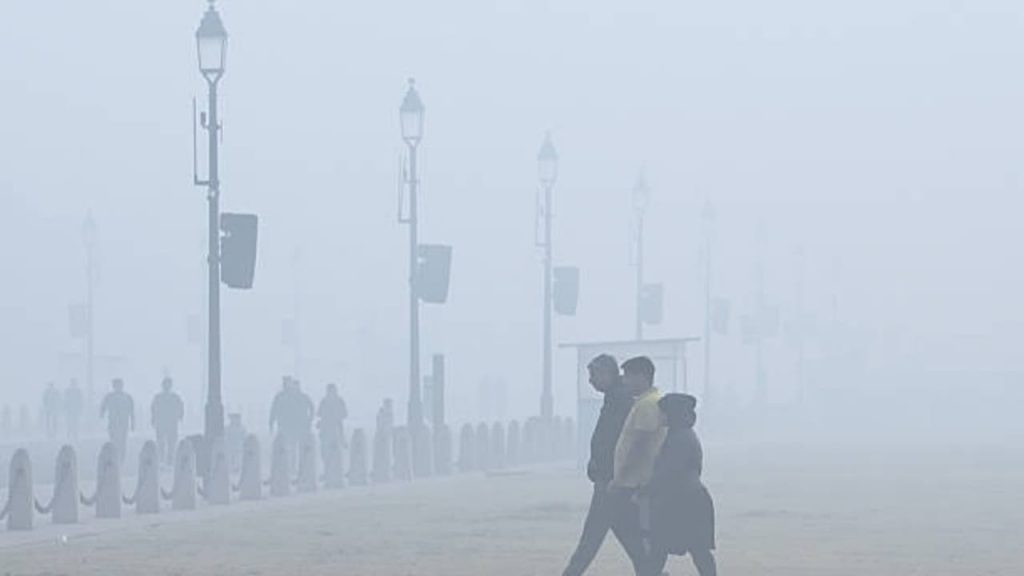
AQI is calculated using concentrations of key air pollutants such as PM2.5, PM10, nitrogen dioxide, sulphur dioxide, carbon monoxide, and ozone. A detailed global explanation of AQI measurement standards is provided by the US Environmental Protection Agency AQI guide.
AQI Categories and Health Advisory
AQI Range | Category | Health Impact |
0–50 | Good | No health impact |
51–100 | Satisfactory | Minor discomfort |
101–200 | Moderate | Discomfort to sensitive people |
201–300 | Poor | Breathing difficulty |
301–400 | Very Poor | Respiratory illness |
401–500 | Severe | Serious health effects |
Current Delhi AQI Trends and Key Statistics
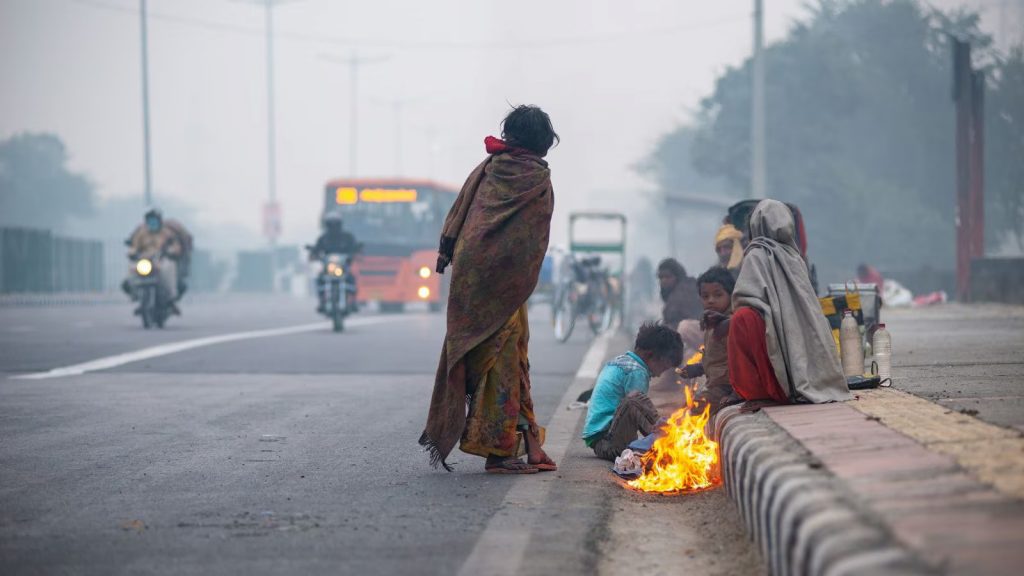
Delhi experiences extreme seasonal variation in air quality. During winter, low wind speeds and temperature inversion trap pollutants near the ground. Data from India’s official monitoring system SAFAR–IITM Delhi air quality dashboard shows that PM2.5 concentrations frequently exceed safe limits by several times. International reporting on Delhi air pollution health impacts highlights rising hospital admissions and premature deaths linked to prolonged exposure.
Major Factors Affecting Delhi AQI
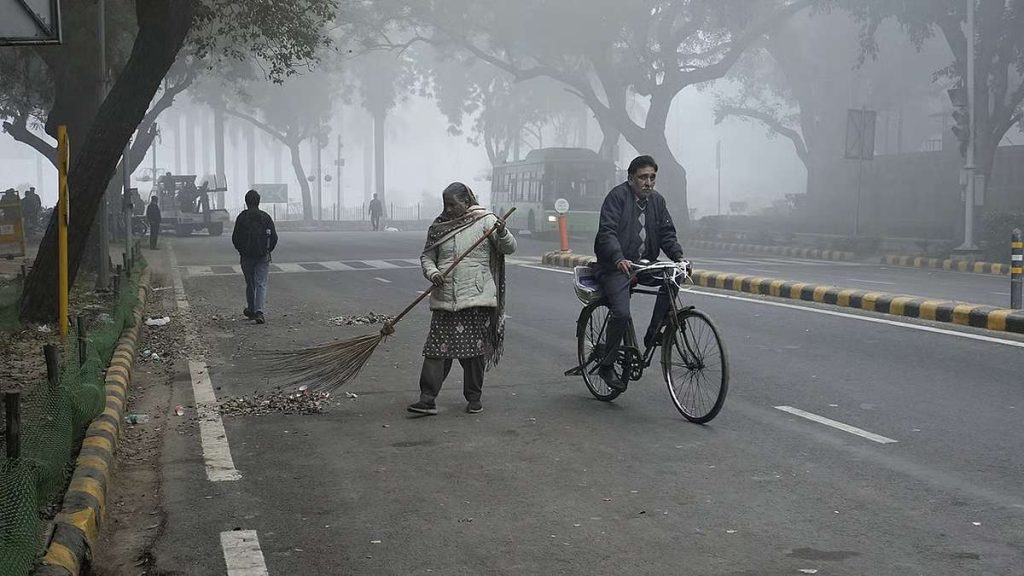
The causes of air pollution in Delhi are multiple and interconnected:
- Vehicular emissions: High vehicle density releases nitrogen oxides and fine particulate matter, contributing heavily to daily AQI levels (CPCB_Transport_Emissions, India).
- Industrial pollution: Power plants and small industries burn coal and diesel, worsening ambient air quality Delhi air quality overview.
- Crop residue burning: Satellite observations from NASA stubble burning data show how farm fires in neighbouring states intensify winter smog.
- Construction dust: Unregulated construction releases large amounts of PM10 into the air poor air quality in Delhi NCR.
- Fireworks: Festive firecrackers sharply spike AQI for short periods.
- Weather conditions: Calm winds and inversion layers worsen pollutant accumulation.
Health Impacts of Poor Air Quality on Humans
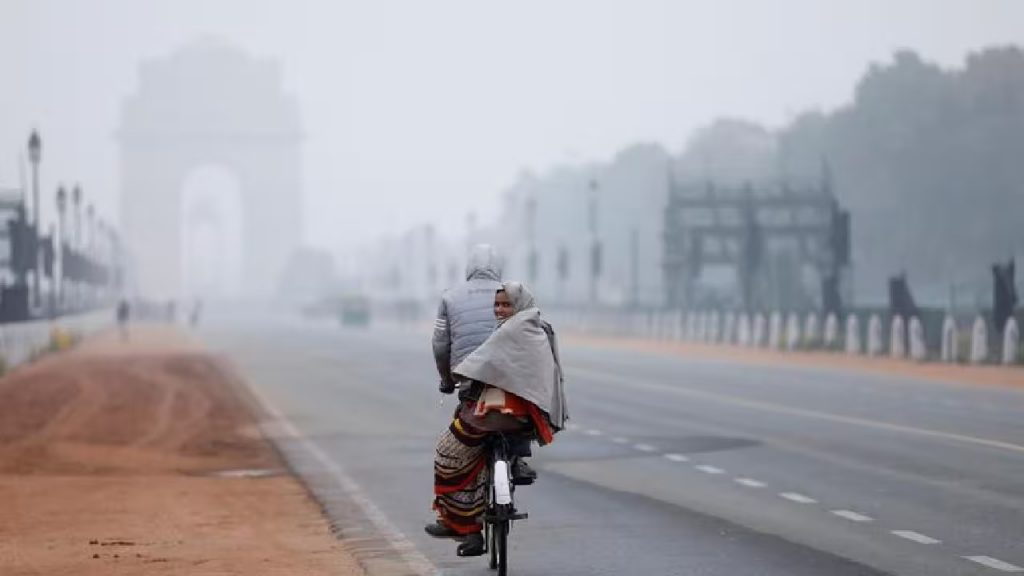
The health effects of Delhi air pollution include:
- Asthma, bronchitis, and chronic lung disease
- Increased risk of heart attack and stroke
- Impaired lung development in children
- Reduced life expectancy
The World Health Organization air pollution fact sheet confirms that long-term exposure to PM2.5 is among the leading environmental causes of premature death globally.
Effects on Animals and the Environment
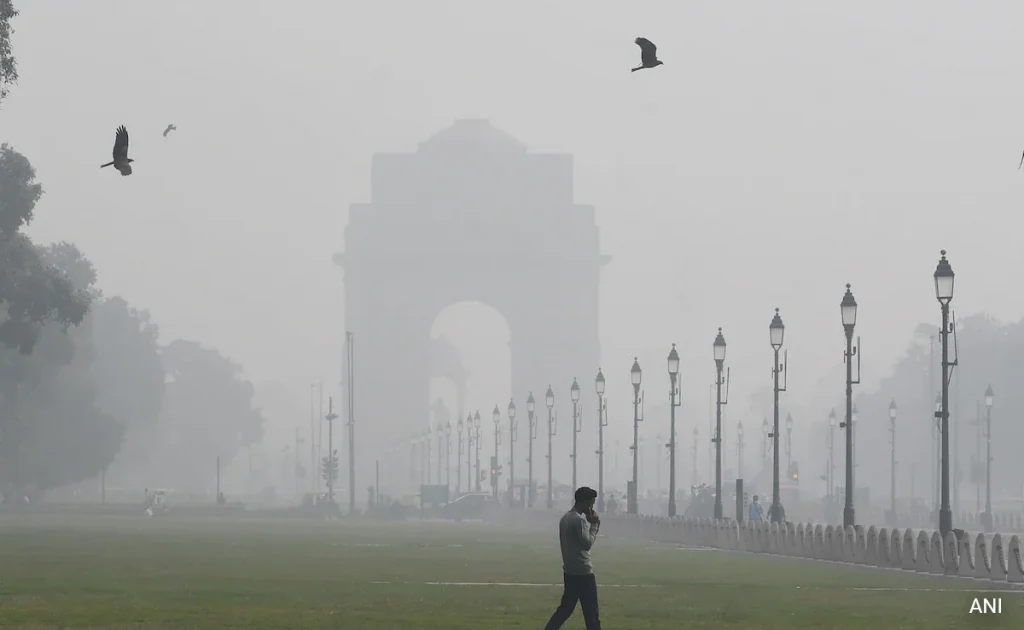
Air pollution also harms ecosystems. Research on air pollution effects on animals shows that polluted air damages animal respiratory systems, affects reproduction, and shortens lifespans. Smog reduces crop productivity, while urban biodiversity continues to decline, affecting food chains and ecological balance.
Government & Community Solutions
Short-term measures
- Odd-even traffic restrictions
- Construction bans during severe AQI days
- Emergency pollution response plans
Long-term solutions to poor air quality in Delhi
- Transition to electric mobility
- Cleaner industrial fuels
- Regional coordination to stop stubble burning
- Urban greening and public transport expansion
Policy frameworks outlined by the Central Pollution Control Board emphasise sustained, multi-sector action.
Actionable Safety Tips for Residents
- Wear certified N95 masks outdoors
- Track daily AQI updates
- Use air purifiers indoors
- Avoid outdoor exercise during poor AQI
- Reduce indoor smoke sources
Public health guidance from the UN Environment Programme air quality resources supports preventive action at the individual level.
FAQs on Delhi AQI
1. What AQI level is considered dangerous in Delhi?
An AQI above 300 is considered Very Poor and poses serious health risks, while levels above 400 fall in the Severe category and can affect even healthy individuals.
2. Which pollutant contributes the most to Delhi AQI?
Fine particulate matter (PM2.5) is the biggest contributor to Delhi AQI because it can penetrate deep into the lungs and bloodstream, causing long-term health damage.
3. Why does Delhi AQI remain high even when traffic is reduced?
Even when vehicle movement decreases, pollution persists due to construction dust, industrial emissions, biomass burning, and unfavourable weather conditions that prevent pollutant dispersion.
4. How does weather influence Delhi AQI?
Low wind speed, high humidity, and temperature inversion during winter trap pollutants near the ground, preventing them from dispersing and significantly worsening AQI levels.
5. Does stubble burning alone cause poor Delhi AQI?
No. Stubble burning is a seasonal contributor, but Delhi AQI is affected year-round by traffic emissions, industries, construction activity, and household fuel use.
6. Is Delhi AQI worse at night or during the day?
Delhi AQI often worsens at night and early morning due to lower temperatures, reduced wind movement, and temperature inversion, which trap pollutants close to the surface.
7. Can indoor plants improve air quality during high Delhi AQI days?
Indoor plants can slightly improve indoor air quality, but they cannot replace air purifiers during severe pollution days. Mechanical filtration remains more effective.
8. How does Delhi AQI affect children differently from adults?
Children breathe faster, have developing lungs, and spend more time outdoors, making them more vulnerable to respiratory infections, reduced lung growth, and asthma.
9. Is wearing a cloth mask effective during severe AQI in Delhi?
No. Cloth masks offer limited protection. N95 or N99 masks are recommended as they can filter fine particulate matter like PM2.5.
10. How does Delhi AQI impact long-term life expectancy?
Long-term exposure to high air pollution levels has been linked to reduced life expectancy, increased risk of chronic diseases, and higher mortality rates.
11. Does rain improve Delhi AQI?
Yes. Rain helps settle airborne pollutants, temporarily improving air quality. However, the effect is short-lived if pollution sources remain active.
12. Can Delhi AQI improve without regional cooperation?
No. Delhi AQI is influenced by pollution from neighbouring states. Regional coordination is essential to control stubble burning, industrial emissions, and transport pollution.
13. How can residents check real-time Delhi AQI?
Residents can track real-time AQI through government monitoring systems, mobile apps, and digital displays installed across the city.
14. Is exercising outdoors safe when Delhi AQI is moderate?
Outdoor exercise is generally safe when AQI is Good or Satisfactory. During Poor or worse categories, indoor workouts are recommended.
15. Can long-term solutions permanently improve Delhi AQI?
Yes. A combination of clean energy transition, electric mobility, sustainable agriculture, urban planning, and strict enforcement can lead to lasting improvement.
Related articles

Meet Piplantri’s reformer: Shyam Sunder Paliwal
Achint
July 10, 2022

How can I live a more sustainable life?
Achint
April 30, 2023
Ready to talk?
We work with individual initiatives, startups, and NGOs dedicated to forging a sustainable future with better design, marketing, technology & operations.