

- All articles
What Is Business Ethics and Why It Matters in Modern Organisations
By Ketul
Updated 26 Jan, 2024
10 min read

Contents
Main Menu
Businesses today operate in an environment shaped by globalisation, digital transparency, and heightened public scrutiny. Decisions made inside boardrooms can affect employees, communities, ecosystems, and economies far beyond company walls. In this context, understanding business ethics is no longer optional. It is central to how organisations build trust, manage risk, and sustain long-term success.
Business ethics is not simply about following the law. Laws define minimum standards, while ethics asks whether actions are fair, responsible, and just. As consumers, investors, and employees increasingly expect accountability, ethical behaviour has become a defining feature of credible and resilient organisations.
What Is Business Ethics

Business ethics refers to the principles, values, and standards that guide behaviour in the business environment. It addresses how organisations and individuals conduct themselves in commercial activities and how decisions affect stakeholders such as employees, customers, shareholders, suppliers, and society at large.
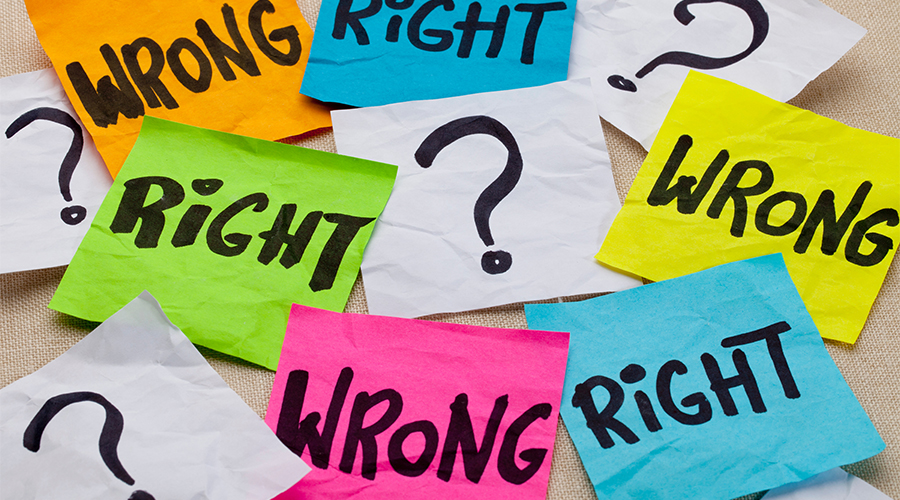
At its core, business ethics is about distinguishing right from wrong in business contexts. It examines issues such as honesty, integrity, fairness, transparency, and responsibility. Ethical business conduct shapes organisational culture and influences how companies are perceived by the world.
Why Business Ethics Is Important

Business ethics matters because unethical behaviour carries real consequences. Corporate scandals, fraud, corruption, and exploitation erode trust and can permanently damage reputations. Ethical failures often lead to legal penalties, financial losses, and long-term harm to brand value.
Conversely, organisations guided by strong ethical principles tend to foster employee loyalty, attract responsible investors, and build lasting customer relationships. Studies on ethical business practices consistently show that ethics and long-term performance are closely connected.
Core Principles of Business Ethics
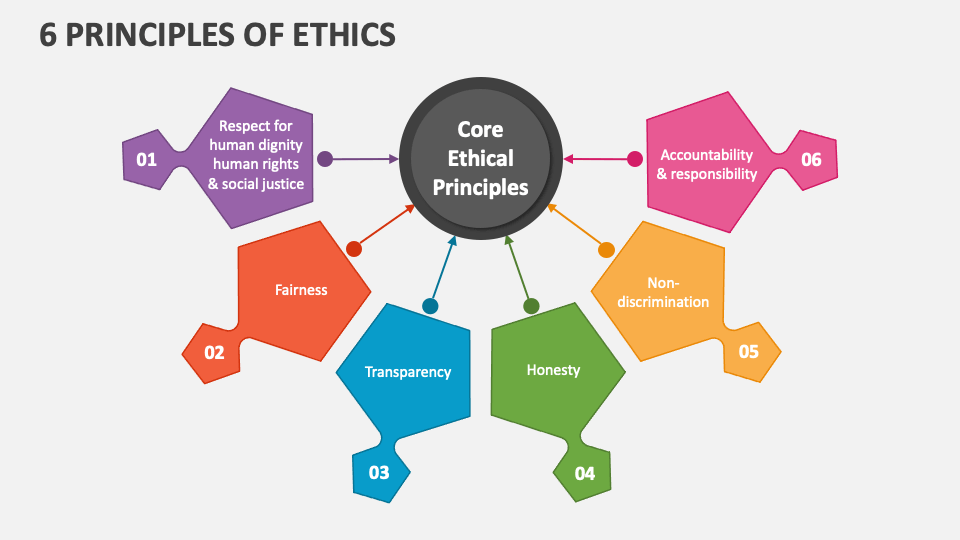
Integrity and Honesty
Integrity is the foundation of business ethics. It involves being truthful in communications, honouring commitments, and acting consistently with stated values. Honest practices build credibility with stakeholders and reduce the risk of misconduct.
Fairness and Justice
Fair treatment of employees, customers, and partners is a central ethical concern. Business ethics examines whether decisions distribute benefits and burdens equitably, without discrimination or exploitation.
Accountability
Ethical organisations accept responsibility for their actions. Accountability requires transparency, willingness to correct mistakes, and openness to scrutiny from regulators, stakeholders, and the public.
Respect for Stakeholders
Modern business ethics recognises that companies affect many stakeholders, not just shareholders. Ethical decision-making considers how actions impact workers, communities, consumers, and the environment.
Business Ethics and Corporate Governance
Business ethics plays a crucial role in corporate governance. Boards and senior leadership are responsible for setting ethical tone, establishing codes of conduct, and ensuring compliance with ethical standards.
Frameworks discussed in corporate governance ethics highlight how ethical oversight reduces risk, improves decision quality, and strengthens institutional trust. Poor governance often reflects deeper ethical failures within organisational culture.
Common Ethical Issues in Business
Corruption and Bribery

Bribery undermines fair competition and damages public trust. Ethical businesses reject corrupt practices, even when operating in challenging regulatory environments.
Employee Rights and Workplace Ethics
Issues such as discrimination, harassment, wage fairness, and safe working conditions fall squarely within business ethics. Ethical workplaces respect human dignity and promote inclusion.
Consumer Protection
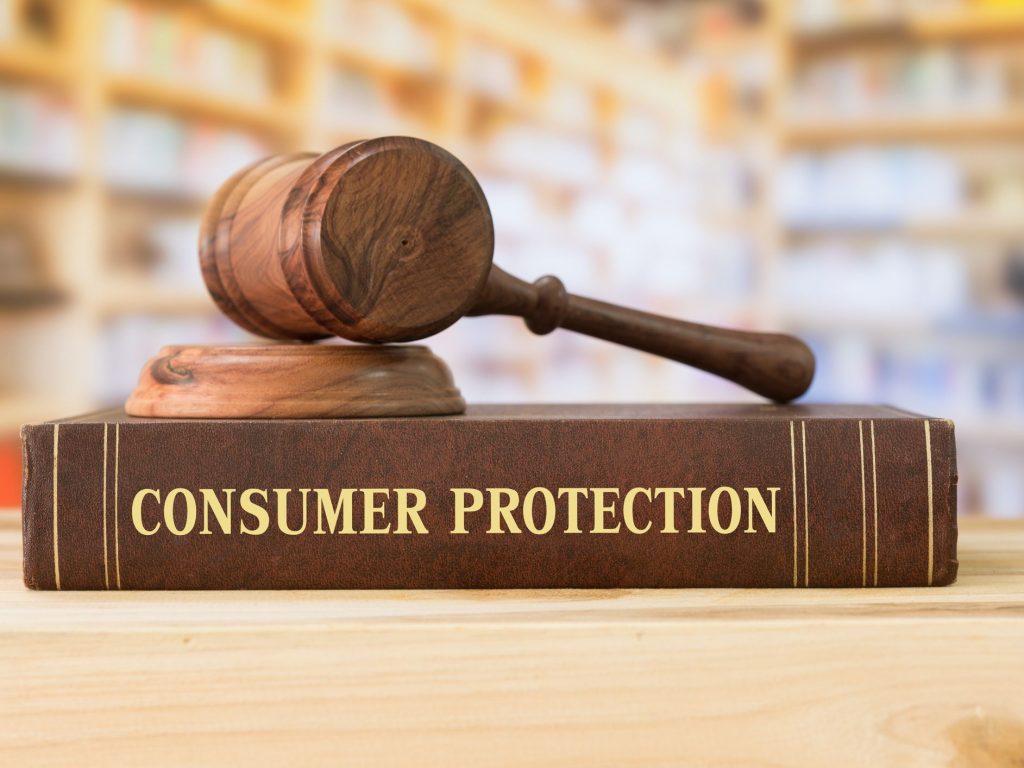
Misleading advertising, unsafe products, and data misuse violate ethical obligations toward customers. Ethical businesses prioritise transparency and consumer well-being.
Environmental Responsibility
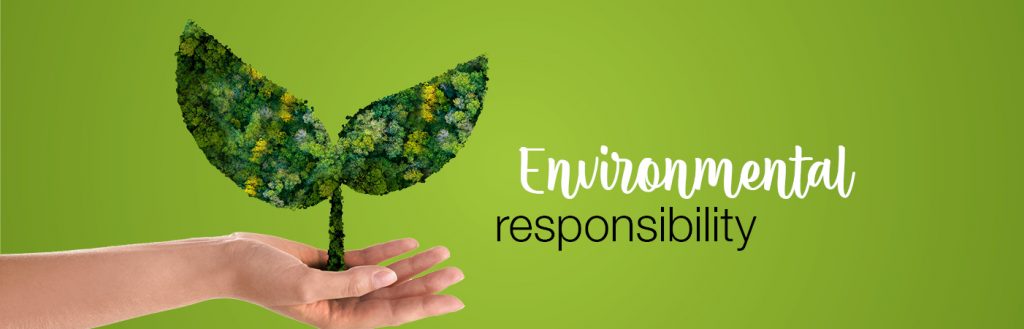
Businesses increasingly face ethical scrutiny for their environmental impact. Ethical considerations now include pollution, resource use, and climate responsibility.
Business Ethics in a Globalised Economy
Globalisation has made business ethics more complex. Companies operate across cultures, legal systems, and social norms. Practices considered acceptable in one context may be unethical in another.
Ethical frameworks in global business ethics stress the importance of universal principles such as human rights and fairness, even when local regulations are weaker or inconsistent.
The Role of Leadership in Business Ethics
Ethical leadership shapes organisational behaviour. Leaders influence culture through their decisions, communication, and example. When leaders prioritise ethics, employees are more likely to follow ethical standards.
Leadership failures, on the other hand, often normalise unethical behaviour and discourage accountability. Ethical leadership therefore acts as both a preventive and corrective force within organisation.
Business Ethics and Corporate Social Responsibility
Business ethics overlaps with corporate social responsibility, but they are not identical. Ethics focuses on how decisions are made, while social responsibility focuses on outcomes and impact.
Ethical reasoning guides decisions about community engagement, sustainability, and social investment, ensuring that corporate actions align with moral principles rather than public relations alone.
Business Ethics at the Individual Level
Ethical behaviour in business is not limited to policies and codes. Individual employees make ethical choices daily, from handling confidential information to treating colleagues with respect.
Ethical awareness empowers individuals to question questionable practices and uphold integrity, even under pressure.
Why Business Ethics Matters More Than Ever
Digital media and global connectivity have increased transparency. Unethical behaviour can quickly become public, damaging trust and credibility. In this environment, business ethics serves as a safeguard against reputational and operational risk.
Beyond risk management, ethics defines the kind of impact businesses have on society. Ethical organisations contribute to economic stability, social trust, and sustainable development.
Conclusion
Business ethics is the moral backbone of modern organisations. It guides how businesses make decisions, treat people, and interact with society. While laws set boundaries, ethics shape purpose and direction.
In a world where business influence extends into nearly every aspect of life, ethical responsibility is inseparable from long-term success. Organisations that prioritise ethics not only protect themselves from harm, but also contribute positively to the communities and systems they depend on.
Frequently Asked Questions (FAQs) on Business Ethics
1. What is business ethics in simple terms?
Business ethics refers to the moral principles and values that guide how businesses operate, make decisions, and treat stakeholders such as employees, customers, and society.
2. Why is business ethics important for companies today?
Business ethics helps build trust, reduce risk, and ensure long-term sustainability. Ethical companies are more likely to attract customers, retain employees, and maintain credibility in the market.
3. Is business ethics the same as following the law?
No. Laws set minimum standards of behaviour, while business ethics goes beyond legal compliance to consider fairness, responsibility, and the broader impact of business decisions.
4. What are common examples of unethical business practices?
Examples include bribery, fraud, discrimination, misleading advertising, exploitation of workers, and environmental negligence.
4. What are common examples of unethical business practices?
Examples include bribery, fraud, discrimination, misleading advertising, exploitation of workers, and environmental negligence.
5. How does business ethics affect employees?
Ethical workplaces promote fairness, respect, and transparency, leading to higher morale, better engagement, and reduced workplace conflicts.
6. What role does leadership play in business ethics?
Leaders set the ethical tone of an organisation. Their actions and decisions strongly influence company culture and how employees approach ethical dilemmas.
7. How is business ethics related to corporate social responsibility (CSR)?
Business ethics focuses on how decisions are made, while CSR focuses on a company’s social and environmental impact. Ethical reasoning underpins effective CSR initiatives.
8. Can strong business ethics improve financial performance?
Yes. Ethical behaviour reduces reputational risk, builds stakeholder trust, and supports long-term profitability, even if it does not always maximise short-term gains.
9. How can organisations promote ethical behaviour?
Organisations can promote ethics through clear codes of conduct, leadership accountability, employee training, and transparent decision-making processes.
10. Is business ethics relevant for small businesses as well?
Absolutely. Ethical principles apply to organisations of all sizes, shaping reputation, customer trust, and long-term viability.
Related articles

A research review on the meat industry and its impact on the environment.
Nimisha Daga
August 1, 2023

How to Start a Sustainable Clothing Brand in India
Himanshu Jangid
January 30, 2025
Ready to talk?
We work with individual initiatives, startups, and NGOs dedicated to forging a sustainable future with better design, marketing, technology & operations.