
- All articles
MaPani: Reimagining Everyday Personal Care Through Water-Safe, Earth-Friendly Products
By Ketul
Updated 18 March, 2026
10 min read
Contents
Main Menu
Most sustainability conversations begin after waste has already been created. We talk about recycling plastic, cleaning rivers, treating sewage, and reducing pollution after the damage is visible. But what if the real question should come much earlier?
What if the problem begins the moment we brush our teeth, wash our face, shampoo our hair, or clean our utensils?
That is the question at the heart of MaPani.
The name itself says everything. “Ma” and “Pani” come together to express a philosophy that feels both ancient and urgent: if water is the basis of life, and if we have long treated it as sacred, then why are our daily products designed in ways that pollute it? MaPani is built around that contradiction. It is not only a personal care brand. It is a rethinking of the relationship between households, products, and water.
At its core, MaPani asks us to look at something we almost never question: not just the quality of the water we use, but the quality of the water we leave behind.
The hidden problem in everyday living
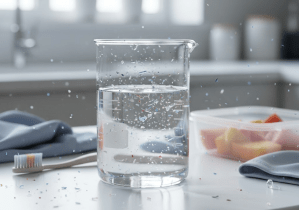
Modern life has normalized a very strange habit. We carefully choose what goes into our bodies, but rarely think about what leaves our homes.
Every morning begins with products that mix with water: toothpaste, face wash, shampoo, soap, floor cleaners, utensil cleaners, and more. We use them without thinking twice because they are common, convenient, and widely available. But once they go down the drain, they do not disappear. They enter a larger system that most people never see.
For MaPani founder Karishma, this became a defining realization. The issue was not only water consumption. It was wastewater quality.
In theory, greywater and blackwater should be handled separately, treated carefully, and managed responsibly. In practice, that ideal often breaks down. In many places, sewage treatment systems are incomplete, underperforming, or poorly maintained. Even where treatment exists, it takes significant energy and infrastructure to deal with chemicals that should never have entered the water in the first place.
That insight shifted the problem entirely.
Instead of asking, “How do we clean wastewater better?” MaPani began asking, “How do we stop polluting it at the source?”
Looking backward to move forward
Many sustainable innovations are presented as futuristic. MaPani does something different. It looks backward.
Karishma’s journey began while studying architecture and working on sustainability-related questions around buildings and environmental systems. While examining water treatment more deeply, she found herself returning to older ways of living. The further she looked, the clearer one thing became: many traditional systems were designed with circularity built into them.
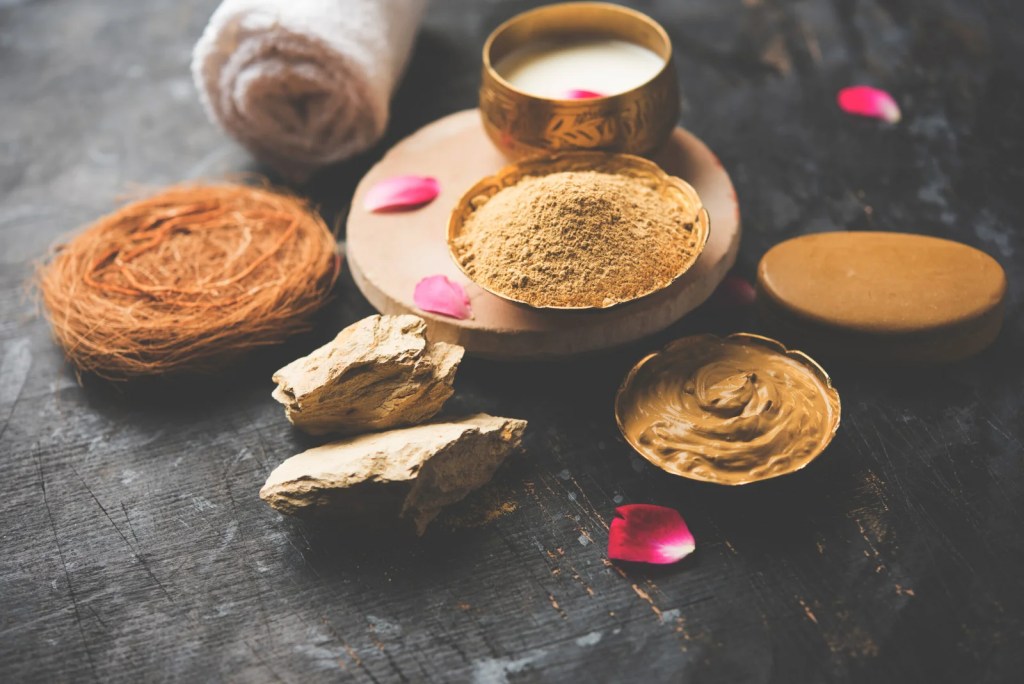
Older lifestyles were not perfect, but they were often far more aligned with ecological cycles. Products came from plants, flowers, herbs, oils, and natural ingredients. What was used on the body did not create an entirely separate waste burden for rivers, aquifers, and soil. The loop was smaller, slower, and more respectful.
That idea became the foundation for MaPani.
The aim was not nostalgia for its own sake. It was to understand whether traditional ingredients and practices could be adapted into products that fit modern lives while still preserving the integrity of water and soil.
From research to recipes to real products
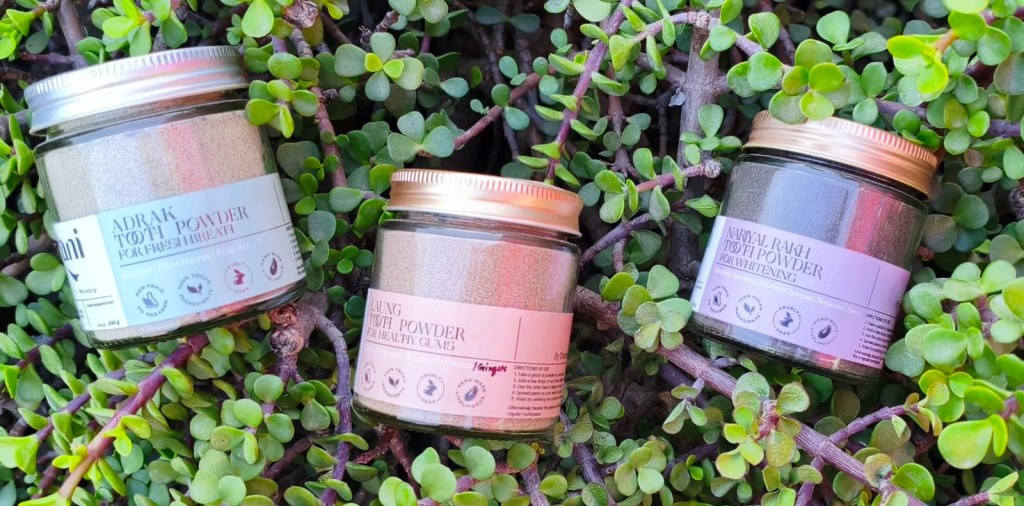
What followed was not a quick product launch. It took years.
Karishma began researching recipes, ingredients, and traditional formulations, then testing them, refining them, and studying how they behaved in actual use. The process started around 2016–17 and took several years of experimentation, testing, and iteration before the products were truly ready to be offered in a structured way.
One of the most beautiful parts of the MaPani story is where this knowledge came from. It did not come only from laboratories or textbooks. It also came from mothers and grandmothers.
Traditional household wisdom became a serious knowledge base. Recipes, combinations, ingredient behavior, and body responses were all discussed, observed, and adapted. MaPani did not simply take inspiration from these women; it built with them. In fact, the names of some products are attributed to the mothers whose knowledge inspired the original formulations.
That detail matters because it shows what kind of brand MaPani is trying to be. It is not a packaging tradition as a trend. It is treating lived knowledge as valid, useful, and worthy of respect.
What makes MaPani different

The difference is not only that the products are plant-based or handmade. The real difference is the circular thinking behind them.
MaPani products are created with a complete life cycle in mind:
- the ingredients come from natural sources
- the production process is designed to stay as low-impact as possible
- the products avoid unnecessary chemical load
- the water used with them is far less harmful to soil and plants
- packaging is reused, reduced, or returned wherever possible
This is not sustainability as branding language. It is sustainability as system design.
Karishma describes this as a closed loop. A flower, leaf, peel, seed, herb, or plant becomes part of a product. The product is used by the consumer. The leftover water is not loaded with aggressive chemical compounds. In some cases, that water can even support plants rather than damage them. The product returns closer to the earth instead of moving further away from it.
That is a radically different way to think about personal care.
What MaPani offers today

MaPani’s product range currently focuses largely on personal care and cleaning, including:
- face wash alternatives
- body wash alternatives
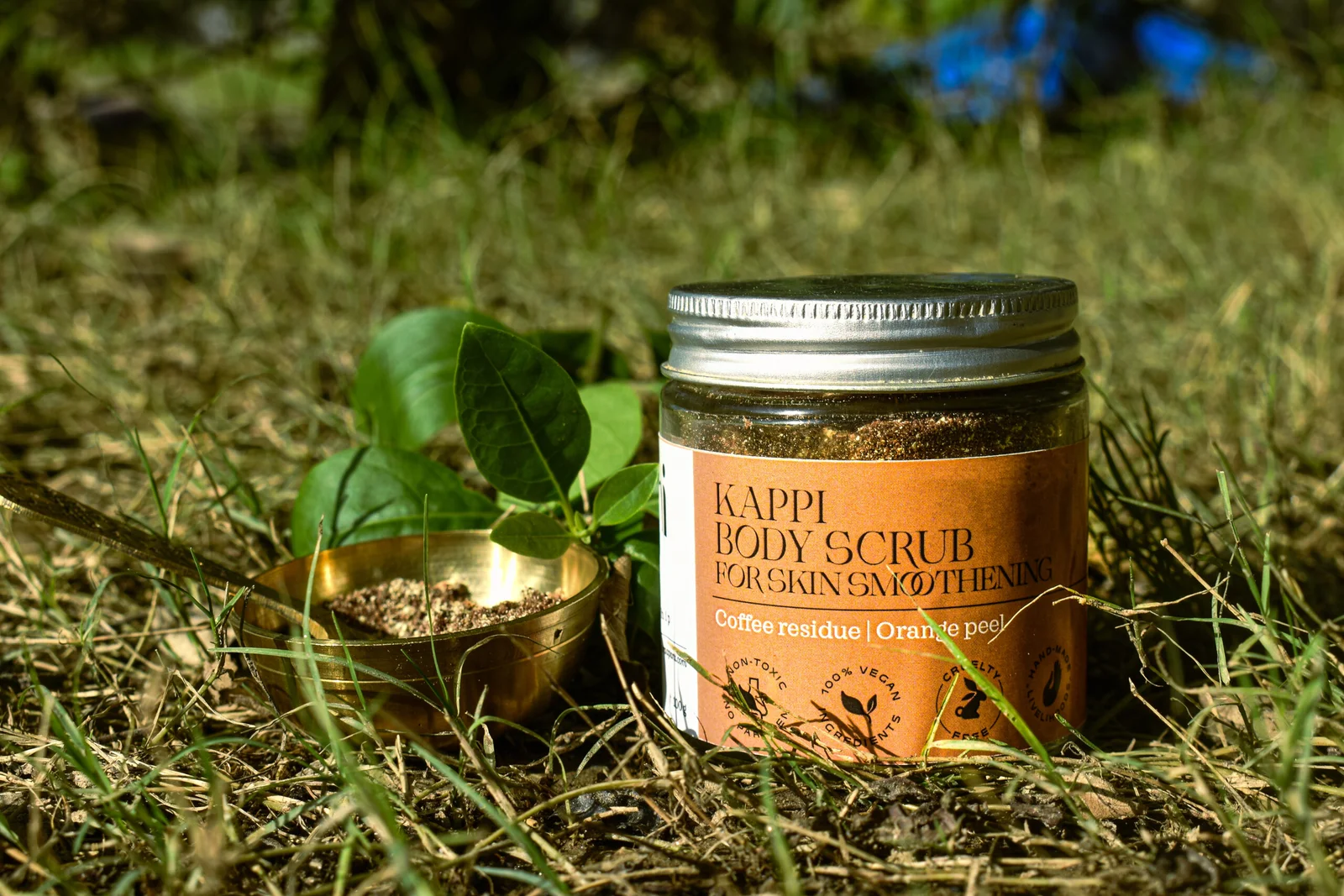
- scrubs
- oil-based moisturising options
- aloe-based support for hair and skin
- hair oils and herbal hair mixes
- tooth-cleaning products
- bamboo brushes
- utensil cleaners
- glass cleaners
- laundry-related alternatives for hand washing
The intention is not to create a complicated shelf full of products. It is to offer practical replacements for products people already use every day.
And that matters, because one of the hardest parts of sustainable living is not awareness. It is convenient. If the product is too difficult, too time-consuming, or too inaccessible, most people will not sustain the habit.
MaPani’s answer to that challenge has been simple: create products people can actually use in everyday life, while preserving the integrity of the original idea.
Production with people at the center
Another powerful part of the MaPani model is how production has been built.
Rather than centralising everything into a factory-style system, the brand has involved people from Karishma’s hometown region near Modinagar. Coming from a farming family herself, she saw an opportunity not only to build water-safe products, but also to create local livelihoods.
People in the village were trained in production. They learned how to make the products, understand the purpose behind them, and contribute to a process that is both economically and ecologically meaningful.
That has helped MaPani become more than a consumer brand. It is also a model of distributed, local, human-scale production. The people making the products are not disconnected from what they are making. Many of them use the products too. They understand the purpose, the ingredients, and the philosophy.
That creates a rare kind of integrity.
Packaging that follows the same values
Many sustainable brands solve one problem while quietly creating another. A product may be natural, but the packaging may be wasteful. Or the ingredients may be gentle, but the logistics may still depend on unnecessary disposables.
MaPani tries to keep the same principles across packaging as well.
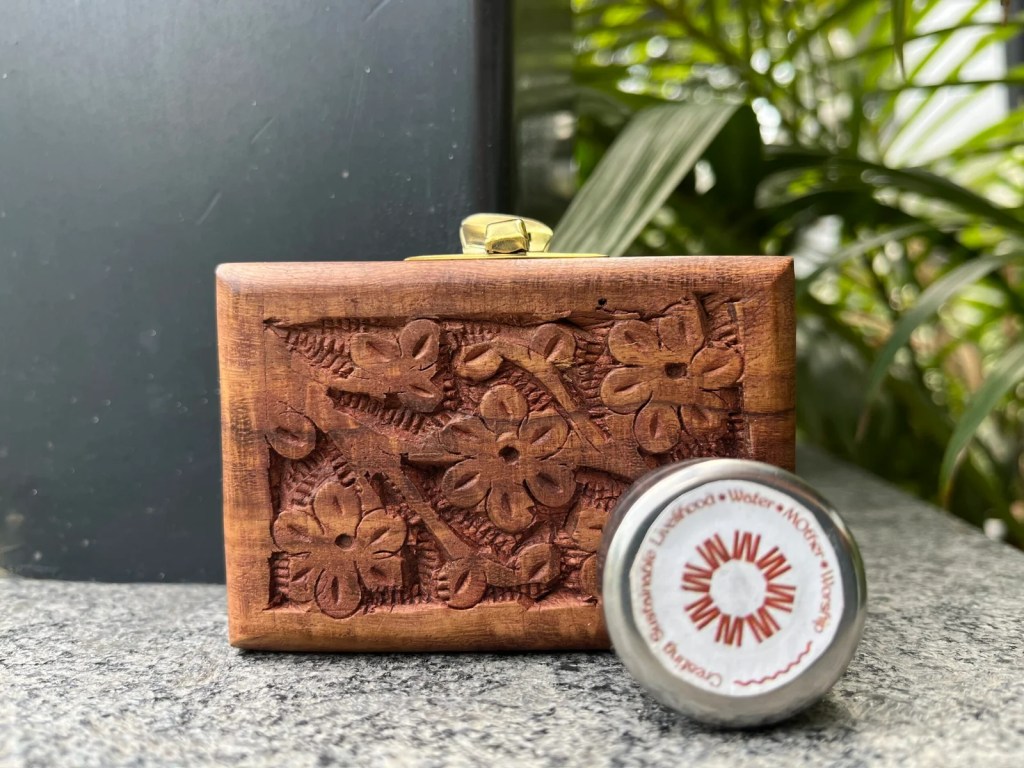
Glass bottles are taken back from customers. Returned bottles are cleaned and reused. Newspaper and cloth are used as wrapping materials. Customers are also given guidance on how those materials can be reused or composted.
This kind of packaging model may seem small, but it reflects something important: MaPani is trying to design every layer of the experience, not just the formula inside the bottle.
Workshops, education, and changing habits
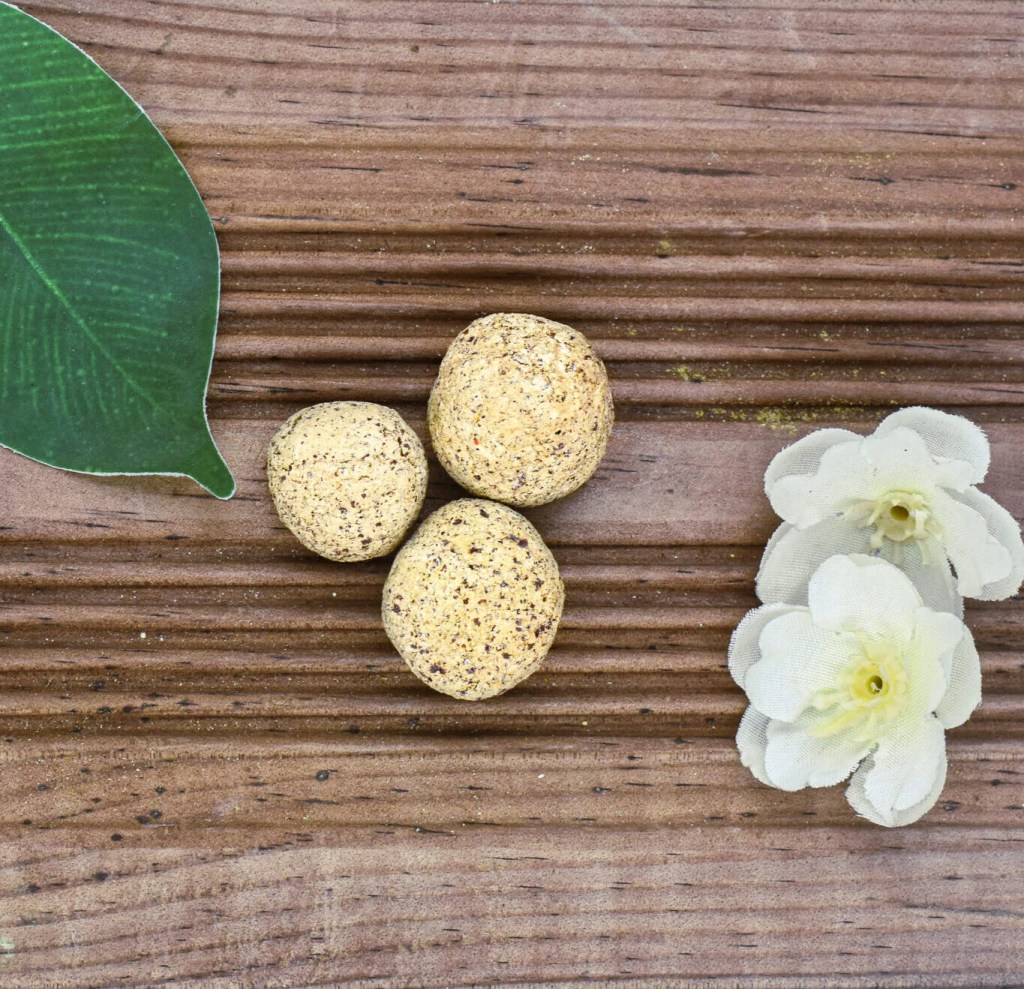
MaPani also works through workshops, both online and offline, where people learn how to make products or understand the principles behind them. These include sessions around bio-enzymes, natural colours, plantable diyas, and other sustainable household practices.
That educational side is crucial.
Karishma is very clear that sustainable living is not only about selling better products. It is also about helping people understand what they are doing, why they are doing it, and how their homes connect to larger ecological systems.
In that sense, MaPani is not merely asking customers to switch brands. It is asking them to switch perspectives.
The deeper ambition
Looking ahead, MaPani’s vision is not only to grow in volume. It is to grow regionally and contextually.
Karishma does not imagine one centralised formula for all of India. She recognises that different regions have different ingredients, weather, needs, body types, and traditions. Her long-term vision is to build region-specific centres and empower local leaders who can develop and adapt products rooted in their own ecological and cultural context.
That is an unusually mature vision for a young brand. It suggests that the future of sustainability in India may not lie in one national solution, but in many local systems connected by a shared philosophy.
Why MaPani matters
MaPani matters because it expands the sustainability conversation.
It reminds us that pollution is not only an industrial problem. It is also a household design problem.
It shows that personal care can be reimagined through water, soil, and circularity rather than only through cosmetic claims.
It proves that old knowledge and modern entrepreneurship do not have to be opposites.
And perhaps most importantly, it asks a question more brands should be asking: not just “Is this product good for me?” but also “What does this product do to the world after I use it?”
That shift in thinking may be exactly what sustainability needs next.
Because if we keep solving problems only after they become waste, we will always be late.
MaPani begins earlier. It begins in the bathroom, the kitchen, the bucket, the basin, and the bottle. It begins where water first meets the product.
And that may be one of the most powerful places to begin.
FAQs
1. What is MaPani?
MaPani is a sustainable personal care and home care brand that creates products designed to be safer for water, soil, and people. The brand focuses on natural ingredients and circular product design so everyday activities like bathing or cleaning do not pollute water systems.
2. Why is wastewater pollution an important environmental issue?
Everyday products like soaps, shampoos, and cleaners mix with water and enter drainage systems. These chemicals often reach rivers, groundwater, or soil, creating long-term pollution and increasing the burden on wastewater treatment systems.
3. How are MaPani products different from regular personal care products?
MaPani products are designed to reduce harmful chemicals entering water systems. Instead of relying heavily on synthetic ingredients, they use plant-based materials and traditional formulations that are intended to be gentler on ecosystems.
4. What types of products does MaPani offer?
MaPani offers a range of sustainable personal care and household products including face washes, body care products, hair care blends, tooth-cleaning products, utensil cleaners, glass cleaners, and other low-impact daily essentials.
5. Are MaPani products based on traditional knowledge?
Yes. Many MaPani products are inspired by traditional household recipes and ingredient knowledge shared by mothers and grandmothers. These ideas are then adapted and tested to make them practical for modern lifestyles.
6. How does MaPani support sustainability beyond ingredients?
MaPani focuses on sustainability across the entire product lifecycle. This includes responsible sourcing, small-scale local production, bottle reuse systems, minimal packaging waste, and educational workshops that encourage more environmentally responsible habits.
7. Can natural personal care products help reduce water pollution?
Natural personal care products can reduce the chemical load entering wastewater systems. While they are not a complete solution, designing products with biodegradable and plant-based ingredients helps reduce the environmental impact of daily consumption.
8. Does MaPani work with local communities?
Yes. MaPani involves local communities in production and provides livelihood opportunities in smaller towns and rural areas. This helps create a more localized, inclusive, and sustainable production system.
9. Why is MaPani’s approach relevant in India?
India faces growing challenges related to water pollution, chemical-heavy consumption, and wastewater management. MaPani’s model is relevant because it combines traditional knowledge, sustainable materials, and community-based production.
10. What is the long-term vision behind MaPani?
MaPani aims to build region-based sustainable production systems where products are made using locally available ingredients. The long-term goal is to create circular models that protect water, soil, and communities while supporting sustainable livelihoods.
Related articles
Mindful Consumption: A Way To Minimalistic Lifestyle
Ishita Paul
June 11, 2022
How can businesses be more environmentally friendly?
Nimisha Daga
January 30, 2024
Ready to talk?
We work with individual initiatives, startups, and NGOs dedicated to forging a sustainable future with better design, marketing, technology & operations.